
LifeCareBalance.com is reader-supported. When you buy through links on our site, we may earn an affiliate commission at no extra cost to you. As an Amazon Associate, we earn from qualifying purchases.
If you are considering an LED face mask for acne in 2026, the most important factors are the device’s intended use, wavelength, treatment instructions, coverage, safety information, and the type of acne you want to address. A mask with more LEDs or more light colors is not automatically a better choice.
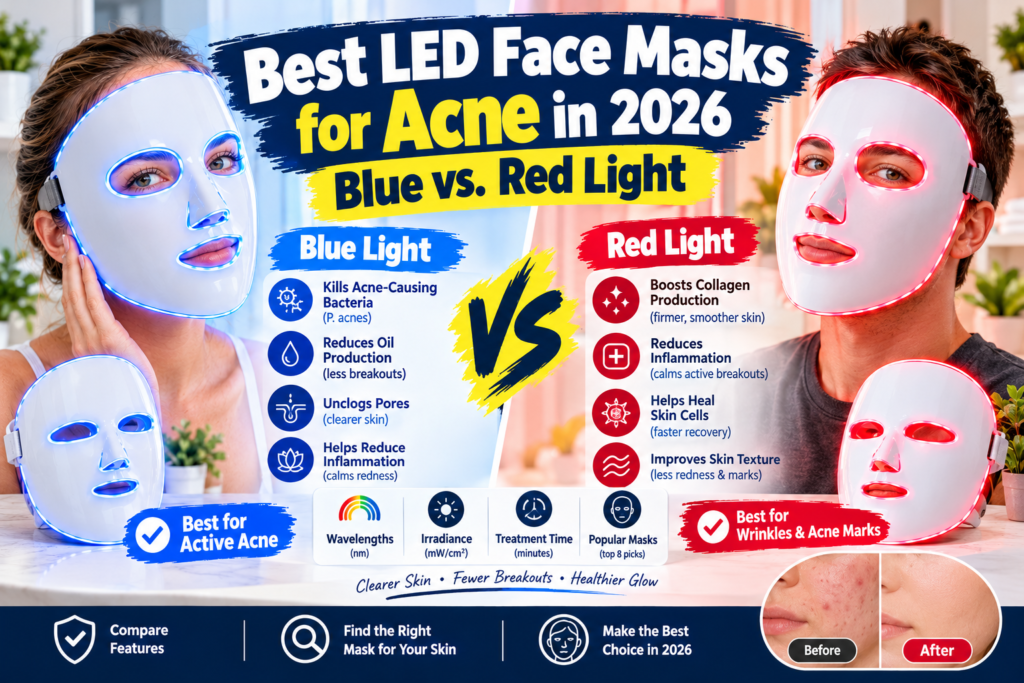
Blue light and red light are both used in acne-focused light therapy. Some at-home devices combine the two, while others are designed primarily for blemishes or offer additional skincare modes. Research suggests that certain light-based treatments may improve some acne lesions, but results depend on the device and treatment protocol.
Quick answer: An at-home LED device may help some people with pimples, particularly inflammatory breakouts. It should not be treated as a universal acne cure or a guaranteed replacement for established acne treatments. If you have painful, deep, cystic, nodular, or scarring acne, consult a qualified dermatologist rather than relying on an LED mask alone.
This guide explains how blue and red light differ, what the clinical evidence says, how to compare acne-focused devices, and which questions to ask before buying.
Quick Comparison: What Matters in an LED Acne Mask?
| Buying factor | What to look for | Why it matters |
|---|---|---|
| Intended use | Acne or blemish treatment clearly described | A mask designed only for cosmetic anti-aging may not be suitable for your main concern |
| Wavelength | Exact wavelengths in nanometers | Light colors and wavelengths are not interchangeable |
| Treatment protocol | Clear session duration and recommended frequency | You need to know how the manufacturer expects the device to be used |
| Coverage | Suitable coverage for your breakout areas | Full-face and targeted devices serve different practical needs |
| Safety | Eye precautions, contraindications, and instructions | Safe use depends on the particular device and user |
| Evidence | Human studies or credible regulatory information | Marketing claims alone do not establish effectiveness |
| Comfort | Fit, weight, and ease of cleaning | A device must be practical to use as directed |
| Cost | Purchase price, warranty, and return policy | Expensive equipment does not guarantee better results |
Can LED Face Masks Help Acne?
Some visible-light devices can help treat pimples. The American Academy of Dermatology explains that blue light, red light, and blue-plus-red light devices can be useful for certain acne lesions, but visible light does not effectively treat every form of acne.
In particular, light therapy should not be assumed to clear blackheads, whiteheads, deep cysts, or nodules. Those concerns may require other treatments.
The evidence also varies by device. A study of a specific LED system does not prove that every consumer mask with a similar color will produce the same outcome. Differences in light output, exposure time, treatment schedule, and study design matter.
For many people, the most realistic way to think about an LED mask is as a possible addition to an acne-care routine—not a stand-alone solution for every breakout.
Blue Light vs. Red Light for Acne
Blue light
Blue light is commonly used in devices marketed for acne and blemishes. Research has investigated wavelengths in the visible blue spectrum, including around 415–420 nm and other wavelengths depending on the device.
However, the wavelength alone does not establish whether a mask is effective. The amount of light delivered, treatment duration, frequency, coverage, and device design also matter.
When comparing products, check the exact wavelength rather than relying on labels such as “blue light technology” or “advanced acne light.”
Red light
Red light has also been studied for acne, including as a standalone treatment and in combination with blue light. It is often included in multi-mode devices intended to address more than one skin concern.
Do not assume that a red-light-only mask is equivalent to a device specifically designed for acne. Check the product’s intended use, instructions, and evidence.
Blue-plus-red light
Some devices combine blue and red light in one treatment or provide separate modes. Clinical research has investigated combination blue-red LED protocols for mild-to-moderate acne.
A randomized controlled trial published in 2013 evaluated a home-use combination device using 420 nm blue light and 660 nm red light. The trial reported improvements in acne lesions among participants using that particular protocol. However, the study was relatively small, and its results should not be generalized to every mask sold today.
Another randomized clinical study published in 2022 compared red-light and blue-light therapy for mild-to-moderate acne. It found improvements in both groups, but the small sample size and treatment-specific design limit how broadly its findings can be applied.
The practical takeaway is to compare the whole device and its treatment instructions rather than choosing solely by light color.
What Types of Acne May Respond to Light Therapy?
LED acne devices are most relevant to people investigating options for pimples and some inflammatory breakouts. They should not be assumed to treat every type of acne.
Mild-to-moderate pimples: An LED device may be worth discussing as an additional treatment option if your expectations are realistic.
Blackheads and whiteheads: Do not assume a visible-light mask will reliably treat these non-inflammatory lesions.
Deep, painful cysts or nodules: Do not rely on a home mask as your main treatment. These lesions can cause scarring and may need medical care.
Persistent or scarring acne: Arrange an assessment with a dermatologist. Delaying effective treatment can allow acne and scarring to worsen.
If you are unsure whether your breakouts are acne or another skin condition, professional assessment is more useful than buying a device based on appearance alone.
LED Acne Mask Examples: Different Devices for Different Needs
The products below illustrate different approaches to LED skincare. They are examples rather than a ranked list, and their inclusion is not a guarantee of acne-treatment effectiveness. Confirm the exact model, intended use, current instructions, and regulatory information before purchasing.
1. Omnilux Clear LED Mask
Omnilux Clear is marketed as an acne-focused LED mask using blue and red light. A dedicated acne device may be a more direct starting point for someone whose primary goal is to address blemishes rather than wrinkles.
Before buying, check the current product documentation for its exact wavelengths, recommended schedule, contraindications, and any applicable regulatory information. Do not assume that a product’s acne-focused marketing means it will work for all acne types.
2. TheraFace Mask Glo
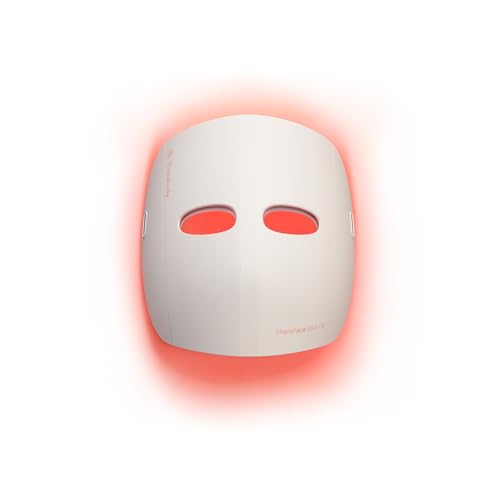
- CLINICALLY-PROVEN LED LIGHT THERAPY: 3 types of science-backed LED light therapy address specific skin concerns for clin…
- FULL-COVERAGE FACE MASK: 504 medical-grade LEDs, enhanced by Therabody’s proprietary PrecisionLED technology, deliver op…
- CUSTOMIZABLE TREATMENT OPTIONS: The preset 12-minute treatment cycles through 4 minutes of each light therapy to boost c…
TheraFace Mask Glo is a multi-purpose LED facial device with several light modes. Its design may appeal to people who want a device for multiple cosmetic concerns rather than an acne-only tool.
If acne is your main reason for buying it, confirm which mode is intended for blemishes, what the manufacturer says about its use, and whether the device is appropriate for your needs. Additional modes do not automatically make a mask more effective for acne.
3. Dr. Dennis Gross DRx SpectraLite FaceWare Pro
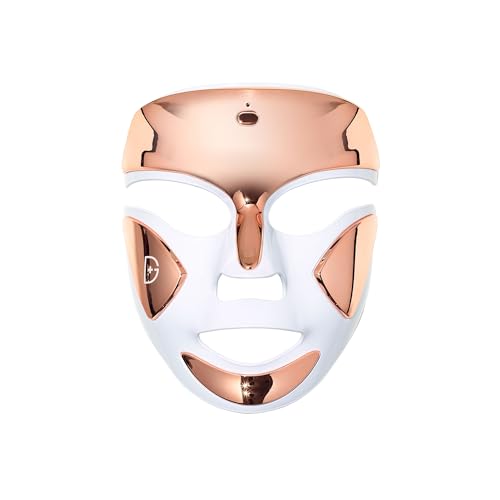
- WHAT IT IS: This LED device for the face targets wrinkles and acne for visibly smoother, clearer skin in just 3 minutes….
- HOW IT WORKS: Treat acne and breakouts with blue light, smooth wrinkles and build collagen with red light, or address bo…
- HOW TO USE: After cleansing, place the mask over your face, securing the strap around your head. Press & hold the power …
The DRx SpectraLite FaceWare Pro is a facial LED device with blue-light, red-light, and combination settings. Its acne-related mode makes it a product to investigate when comparing multi-purpose facial LED devices.
Before purchasing, confirm the current model and instructions, especially the intended use, treatment duration, eye-safety directions, and contraindications.
Amazon US listing identifier to check: B08NCRHNW9. Verify that the live listing still corresponds to the exact DRx SpectraLite FaceWare Pro model before attaching an affiliate link. Do not use this ASIN for a different version or bundle.
How to choose among these examples
If your primary concern is acne, start by looking for a clearly described acne-related intended use and a transparent treatment protocol. If you also want anti-aging features, a multi-purpose device may be worth investigating, but the extra features should not be mistaken for stronger acne evidence.
A product comparison should be based on verified specifications and the exact model being sold. Avoid declaring a winner based only on brand recognition, LED count, price, or the number of treatment colors.
What to Check Before Buying an LED Mask for Acne
1. Verify the exact intended use
A product advertised for wrinkles is not automatically an acne treatment. Look for clear information about whether the device is intended to treat acne or blemishes and whether its documentation supports that use.
If the manufacturer only describes general skin rejuvenation, do not assume the product is suitable for active acne.
2. Check the wavelengths
The manufacturer’s documentation should identify the wavelengths used by the device. Compare the actual numbers rather than relying on terms such as “blue mode,” “red mode,” or “seven-color therapy.”
Different wavelengths and protocols may have different effects. A longer list of wavelengths does not prove better results.
3. Understand the treatment schedule
Check the prescribed session length, recommended frequency, and any limits on repeated use. A device that requires a longer routine may be less practical for some people, but a shorter session does not automatically mean it is more effective.
Do not increase session length or frequency to try to speed up results.
4. Check coverage and fit
Consider whether you need a full-face mask or a smaller device for targeted areas. Check how the device fits, whether it stays positioned correctly, and whether its design is suitable for the areas you want to treat.
A device with broad coverage may be convenient, but coverage alone does not establish the dose received by the skin.
5. Review eye-safety instructions
LED devices have different designs and precautions. Read the instructions for the exact model and use any eye protection specified by the manufacturer. Do not assume that closed eyes or ordinary sunglasses are an adequate substitute for recommended protection.
6. Check the manufacturer’s safety information
Look for contraindications, warnings about photosensitivity, cleaning instructions, warranty terms, and customer support information.
If you have a photosensitive condition, an eye condition, or take medication that may increase sensitivity to light, consult an appropriate healthcare professional before using the device.
7. Understand the regulatory terminology
Terms such as “FDA-cleared,” “FDA-registered,” and “FDA-approved” do not mean the same thing. Do not accept a generic FDA claim as proof that a product is effective for every type of acne.
The FDA’s 510(k) premarket notification information explains the regulatory process. When a device’s regulatory status matters to your purchase, verify the exact model and intended use rather than relying on a badge or marketing statement.
Why LED Count Is Not a Reliable Shortcut
A product with hundreds of LEDs is not automatically better than a device with fewer LEDs. LED count does not, by itself, establish the amount of light reaching the skin, the treatment dose, or the clinical results a user can expect.
Two devices can differ in wavelength, optical output, LED placement, treatment duration, and intended use. They may also have different instructions and safety requirements.
A useful comparison therefore looks at the complete treatment system:
- Intended use and acne-related evidence
- Exact wavelengths
- Treatment duration and recommended frequency
- Coverage and fit
- Safety precautions
- Manufacturer transparency
- Warranty and total cost
If a product listing emphasizes LED count but gives little information about how the device should be used, look for the full instructions before buying.
How Often Should You Use an LED Acne Mask?
There is no single schedule that applies to every LED mask. Manufacturers may recommend different session lengths and frequencies depending on the device.
Follow the instructions for the exact model you own. Do not copy a schedule from a clinical study and apply it to a different mask: the study may have used different equipment, light output, and treatment parameters.
Avoid using multiple LED devices together or adding extra sessions unless a qualified professional has advised that the combination is appropriate.
Consistency means following a suitable schedule—not increasing exposure beyond the instructions.
When Should You Expect Results?
LED treatment is not an overnight solution. Studies typically assess outcomes after repeated sessions, and the results vary according to the device, protocol, and type of acne.
A reasonable approach is to follow the manufacturer’s instructions, monitor your skin, and avoid changing several treatments at once if you want to understand how your routine is affecting you.
Do not interpret a few good days as proof that a device has cured acne. Similarly, do not keep using a device that causes unexpected irritation or other concerning symptoms just because the manufacturer advertises long-term benefits.
If acne is getting worse, painful, or leaving scars, seek professional care rather than waiting for a mask to work.
Should an LED Mask Replace Your Acne Skincare Routine?
Usually, it should be considered an additional option rather than a complete replacement for established acne care.
Depending on the individual, acne treatment may involve topical ingredients, prescription medicines, or other dermatologist-recommended approaches. The appropriate plan depends on acne severity, skin sensitivity, medical history, and previous treatment response.
If you use prescription acne medication or any medication that may increase photosensitivity, check the device’s warnings and discuss use with a healthcare professional.
For more general background, see our guide to whether LED face masks actually work.
Safety Considerations for Acne-Prone Skin
At-home LED devices are designed for consumer use, but that does not mean every device is appropriate for every person. Follow the instructions for your exact model, particularly the precautions about exposure, eye safety, session duration, and contraindications.
Stop using the device if you develop unexpected pain, persistent irritation, or other concerning symptoms. Seek medical advice if the reaction is significant or does not settle.
The American Academy of Dermatology’s red light therapy safety guidance discusses precautions and limitations of at-home light-based devices. Although red-light therapy and acne-focused blue-light devices are not identical, the guidance is useful when considering consumer light therapy more generally.
If you have darker skin, a history of pigmentation problems, a photosensitive condition, or a relevant eye or medical concern, discuss suitability with a qualified healthcare professional. Do not assume that a device’s non-invasive design makes it risk-free.
Common LED Acne Mask Buying Mistakes
Mistake 1: Buying only because the product has many colors
A multi-color mask may offer multiple modes, but the number of colors does not prove that it treats acne effectively.
Mistake 2: Choosing an anti-aging mask without checking its acne use
A device marketed for wrinkles should not automatically be treated as an acne device. Verify its intended use and documentation.
Mistake 3: Expecting a mask to clear cystic acne
Deep, painful, or nodular acne often needs professional assessment. Do not rely on an LED mask as the primary treatment for severe acne.
Mistake 4: Assuming all blue-light devices are equivalent
Different devices can use different wavelengths and treatment parameters. Check the exact model’s documentation.
Mistake 5: Using the device more often than recommended
More exposure does not necessarily produce better results. Follow the manufacturer’s schedule and do not improvise a higher dose.
Mistake 6: Ignoring eye-safety and contraindication instructions
Read the complete instructions before your first session. If a warning applies to you, seek appropriate advice rather than ignoring it.
Mistake 7: Treating marketing claims as clinical proof
Testimonials, before-and-after images, and broad phrases such as “clinically proven” do not establish that a device will deliver a particular result for every user. Look for evidence that relates to the exact device or a sufficiently similar protocol.
Mistake 8: Buying without checking the exact Amazon listing
A product name may appear on multiple listings, bundles, or older models. Before adding an Amazon affiliate link, confirm the ASIN, product version, and current listing details.
How We Evaluate LED Masks for Acne
A useful evaluation should separate what the manufacturer says from what clinical research establishes.
Acne relevance: Does the manufacturer explicitly describe an acne-related intended use?
Wavelength transparency: Are the actual wavelengths disclosed?
Treatment protocol: Are session duration and frequency explained clearly?
Evidence: Is there human clinical research relevant to the device or its treatment approach?
Safety: Are contraindications and eye-safety instructions available?
Practicality: Is the device comfortable and easy to use as directed?
Regulatory information: Can the stated status be verified for the exact model and intended use?
Purchase confidence: Can the buyer verify the exact product variant, warranty, return policy, and seller?
These criteria are more informative than selecting a product solely because it is popular or expensive. They also help explain why a particular device might suit one user but not another.
For a broader product comparison, visit our Best LED Face Masks of 2026 guide. If you are comparing a mask with a panel, our LED Face Mask vs. Red Light Therapy Panel guide covers that different decision.
Frequently Asked Questions
Do LED face masks really work for acne?
Some visible-light devices can help treat pimples, but results vary. Evidence for one device does not establish that all masks will work equally well.
Is blue or red light better for acne?
Both have been investigated for acne, and some devices combine them. The best choice depends on the particular device, protocol, and intended use—not just the light color.
What wavelength should I look for in an acne mask?
Look for the exact wavelength or wavelengths documented by the manufacturer. Do not assume that all products marketed as blue-light therapy use the same specifications.
Can an LED mask treat cystic acne?
Do not rely on a home LED mask as the primary treatment for cystic or nodular acne. Seek dermatology advice, especially if the lesions are painful or causing scars.
Can I use an LED mask every day?
Only if the manufacturer’s instructions for your exact model recommend that schedule. Do not transfer a routine from another device or clinical study.
How long does an LED acne mask take to work?
The timeframe varies by device and individual. Research generally evaluates repeated treatments rather than instant transformations, and results are not guaranteed.
Can I use an LED mask with acne medication?
That depends on the medication and device. Some medicines can affect light sensitivity. Check the device warnings and ask your healthcare professional if you are unsure.
Are LED masks suitable for sensitive skin?
Some people tolerate them, but irritation can occur. Check the instructions and discuss suitability with a healthcare professional if you have a skin condition or sensitivity concern.
Should I buy an acne-only mask or a multi-purpose mask?
An acne-focused mask may be easier to evaluate when blemishes are your primary concern. A multi-purpose device may be worth considering if it clearly documents an appropriate acne-related mode and you also want its other features.
Is an expensive LED mask automatically better?
No. Price and LED count do not establish effectiveness. Compare intended use, specifications, safety, evidence, warranty, and the total cost.
Can I use an LED mask instead of seeing a dermatologist?
Not if you have severe, persistent, painful, nodular, or scarring acne. Professional advice can help you choose an appropriate treatment and avoid unnecessary delays.
Related LifeCareBalance Guides
- Best LED Face Masks of 2026
- LED Face Mask vs. Red Light Therapy Panel
- Do LED Face Masks Actually Work?
- LED Face Mask Review Comparison 2026
- Are LED Face Masks Worth It?
Final Verdict: What Is the Best Approach to LED Face Masks for Acne?
The best starting point is to identify the type of acne you have and whether a light-based device is an appropriate addition to your care routine.
For people investigating mild-to-moderate pimples, an LED device with a clearly documented acne-related intended use may be worth considering. Compare the actual wavelengths, treatment protocol, coverage, safety instructions, and evidence before making a purchase.
Do not choose a mask solely because it has more LEDs, more colors, or a higher price. And do not expect any home device to treat every form of acne.
For painful, cystic, nodular, persistent, or scarring acne, professional dermatology care is more important than experimenting with consumer devices.
The central buying rule is simple: choose an LED acne device based on verified specifications, appropriate intended use, safety information, and realistic expectations—not marketing claims alone.