
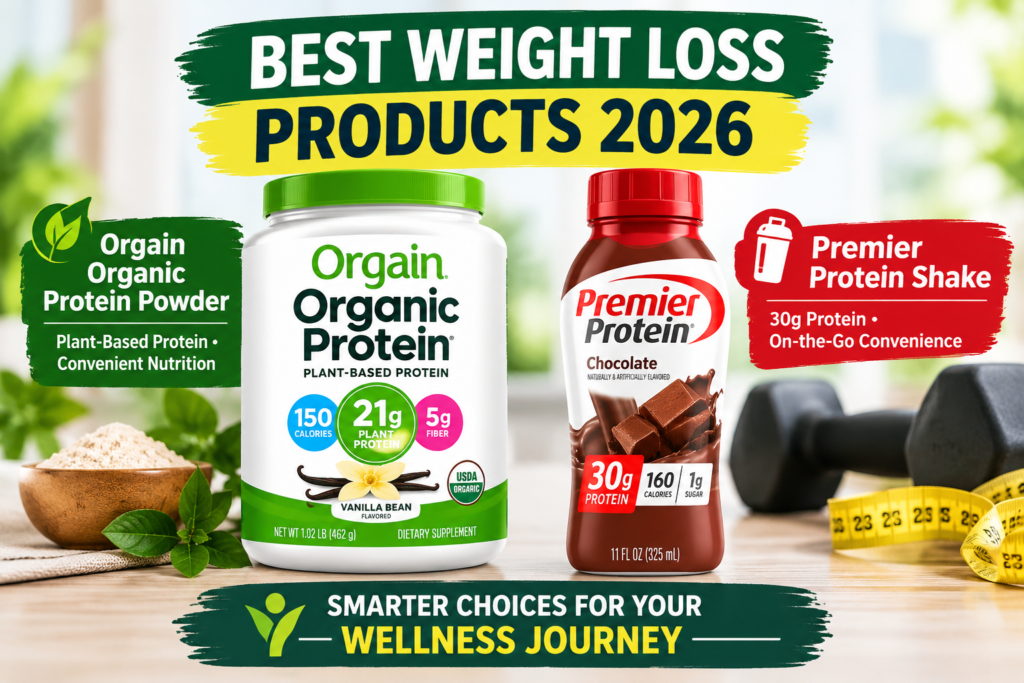
Discover the best weight loss products for men and women in 2026, including protein powders, meal replacement shakes, smart scales, and fitness equipment.
LifeCareBalance.com is reader-supported. When you buy through links on our site, we may earn an affiliate commission at no extra cost to you. As an Amazon Associate, we earn from qualifying purchases.
Losing weight can be challenging when busy schedules, inconsistent eating habits, and limited opportunities for physical activity make healthy routines difficult to maintain. In 2026, shoppers have more options than ever, including protein powders, meal replacement shakes, smart scales, fitness trackers, and compact exercise equipment.
However, not every product marketed for weight loss delivers meaningful results. Some products may make healthy habits easier to follow, while others rely on exaggerated claims about burning fat, suppressing appetite, or producing rapid results.
The best weight loss products for men and women are those that address a specific need. A protein powder may help someone meet their protein requirements, while a walking pad may make regular movement more convenient for someone who works from home.
This guide compares practical weight-management products, explains what to look for before buying, and highlights safety concerns that shoppers should understand. The goal is to help you make informed purchasing decisions without spending money on unnecessary supplements or unrealistic promises.
Quick Answer: What Are the Best Weight Loss Products in 2026?
The most useful products depend on your lifestyle, nutritional needs, and personal goals.
- Protein powder: A convenient option when your regular diet does not provide enough protein.
- Meal replacement shakes: May help with meal planning when preparing a balanced meal is difficult.
- Portion-control plates: Provide visual guidance for building more structured meals.
- Smart scales: Help track body-weight trends over time.
- Fitness trackers: Help monitor daily movement and exercise consistency.
- Walking pads: Offer a convenient way to walk indoors.
Fat burners, detox teas, and appetite-suppressant gummies require more caution because evidence for many weight-loss supplements is limited.
No ordinary supplement or fitness device can guarantee weight loss. Sustainable results depend on your overall eating pattern, physical activity, and habits.
How We Evaluate Weight Loss Products
A useful buying guide should explain how products may help and what limitations buyers should understand.
For this guide, the main considerations are:
- Practical usefulness: Does the product solve a real problem?
- Nutritional information: Are calories, protein, fiber, and added sugars clearly listed where relevant?
- Ease of use: Can the product fit into an ordinary routine?
- Cost: Is the purchase worthwhile for your expected use?
- Product transparency: Are ingredients, specifications, and safety information available?
- Evidence: Are claims supported by credible information rather than marketing promises?
This is an evidence-informed buying guide, not a laboratory test or clinical trial. The products discussed have not been independently tested by LifeCareBalance for this article, and no personal results or fabricated customer reviews are presented.
1. Protein Powder for Convenient Nutrition
Protein powder is one option for people who have difficulty meeting their protein needs through regular meals. It can be added to a smoothie, mixed with a suitable liquid, or used as part of a convenient snack.
Protein supports muscle maintenance and other important bodily functions. Including adequate protein in a balanced eating pattern may also help with fullness. However, protein powder does not automatically cause fat loss.
Before purchasing a product, compare:
- Protein per serving.
- Total calories.
- Added sugar.
- Serving size.
- Allergens and dietary restrictions.
- Price per serving.
- Ingredient transparency and available quality-testing information.
Whey protein may suit people who tolerate dairy, while soy, pea, and other plant-based proteins can provide alternatives for people who avoid dairy or prefer plant-based products.
Product example: Orgain Organic Protein Plant-Based Protein Powder
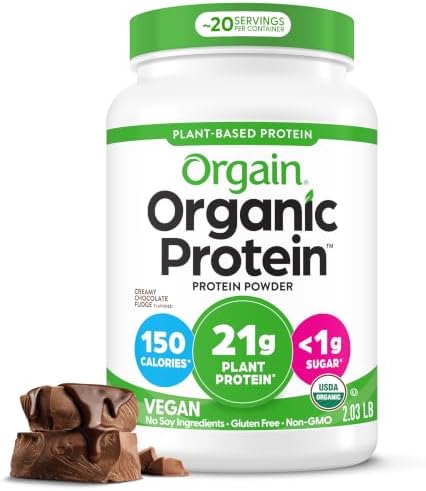
- CLEANER INGREDIENTS: 21g of Organic plant based protein and 0g sugar*. Our protein blend contains Organic peas, brown ri…
- HIGHER STANDARDS: This product is vegan, contains no erythritol, gluten-free, kosher, made without soy ingredients & Non…
- USDA ORGANIC & CERTIFIED PLANT-BASED: To ensure we are delivering on high-quality products, we use third parties to veri…
Orgain Organic Protein Plant-Based Protein Powder, Creamy Chocolate Fudge, is one product shoppers can compare when looking for a plant-based protein option.
Check the exact package size, flavor, nutrition panel, and ingredient list before purchasing. Formulations and product listings can change, so use the information on the current package rather than relying only on older descriptions.
This product may be worth considering if you want a convenient way to add protein to your diet. It should not be treated as a fat burner or a guaranteed weight-loss solution.
Who may benefit? People who need a convenient protein source and whose nutritional requirements are not fully met by their regular meals.
Who may not need it? People who already consume sufficient protein through foods such as eggs, fish, poultry, yogurt, beans, lentils, tofu, and other protein-rich foods.
2. Meal Replacement Shakes for Busy Schedules
Meal replacement shakes may be convenient for people who travel frequently, work long hours, or struggle to prepare balanced meals.
However, not all shakes are nutritionally equivalent. A protein drink may mainly provide protein, while a meal replacement is intended to provide a broader combination of nutrients.
Before buying, review:
- Calories per prepared serving.
- Protein and fiber content.
- Added sugar.
- Vitamins and minerals.
- Allergens.
- Preparation instructions.
- The total cost of regular use.
A shake is not automatically a complete meal simply because its packaging uses the words “nutrition” or “meal replacement.”
Product example: Premier Protein Shake, Chocolate, 30g Protein
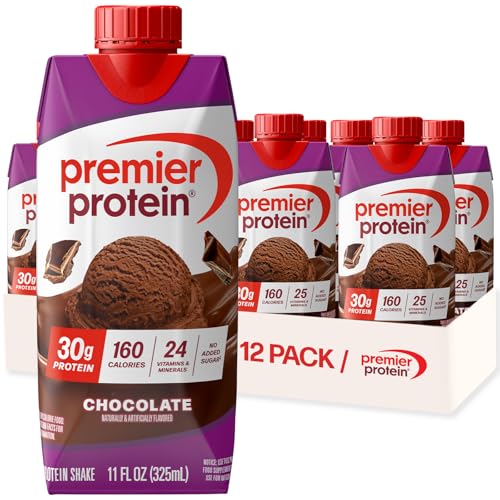
- Smooth and creamy, rich chocolate flavored shake; Winner of American Masters of Taste Gold Medal for SUPERIOR TASTING re…
- 30g of protein to help curb your hunger, as a mid-day snack or for post workout recovery; includes all essential amino a…
- 24 Vitamins and Minerals: Support a healthy immune system as part of a healthy diet and lifestyle (Antioxidants Vitamins…
Premier Protein Shake in Chocolate is a ready-to-drink option that shoppers can compare when convenience is a priority.
Check the current label for serving size, calories, protein, sweeteners, and other ingredients. Different package sizes and product variations may have different listings.
This product may suit someone who wants a portable protein drink. However, a high-protein drink should not automatically be considered a nutritionally complete meal replacement.
Whole foods still provide variety, fiber, and nutrients that may not be present in the same amounts in a packaged drink.
Buying tip: Compare the cost per serving and the complete nutrition label rather than choosing a shake based only on its protein claim.
3. Portion-Control Plates for Everyday Meals
Portion-control plates offer a visual way to organize meals. Depending on the design, they may use divided sections or printed guides to help users arrange vegetables, protein sources, and carbohydrate-containing foods.
These plates can be useful for people who prefer visual meal guidance instead of weighing every ingredient or tracking every calorie.
When shopping, consider the plate’s size, material, durability, ease of cleaning, and whether its sections suit the meals you normally eat.
A portion-control plate is not a calorie calculator, and the same portion is not necessarily appropriate for every person. Nutritional needs vary with factors such as age, body size, activity, and health conditions.
If you want to compare plate styles and understand their limitations, read our Best Portion Control Plates for Weight Loss in 2026 guide.
This related guide explains the differences between divided plates, visual food-group guidance, and other practical features that may matter when choosing a plate.
4. Smart Scales for Tracking Weight Trends
Smart scales can record body weight and may estimate additional measurements, such as body-fat percentage, using bioelectrical impedance analysis.
Their main benefit is convenience. Some models synchronize measurements with smartphone apps, making it easier to observe changes over time.
However, body-fat estimates from consumer smart scales are not direct measurements of fat tissue. Hydration, recent exercise, meals, and measurement conditions can affect readings.
Before buying, consider:
- Consistency of body-weight measurements.
- Maximum supported weight.
- App compatibility.
- Privacy settings.
- Battery life.
- Multiple-user support.
- Whether additional body-composition measurements are genuinely useful.
For more information about the difference between body weight and estimated body composition, read our Smart Scale Body Fat Accuracy in 2026 guide.
That article explains how smart scales estimate body fat, why readings can fluctuate, and why consistent measurement conditions are important.
Practical tip: Focus on longer-term trends rather than reacting to every daily reading. A single measurement cannot establish whether a change represents fat loss, water loss, or another normal fluctuation.
5. Fitness Trackers for Daily Activity
Fitness trackers and smartwatches can record steps, activity duration, workouts, and other measurements. Depending on the device, they may also estimate calories burned.
Their most practical benefit is often awareness. For example, a person who spends most of the day sitting may use activity reminders to schedule movement breaks.
Useful features include reliable step tracking, comfortable design, suitable battery life, a clear companion app, and compatibility with your phone.
Do not treat calorie-burn estimates as exact measurements. These estimates vary between devices and individuals, so eating back every calorie shown by a tracker may not be appropriate.
You also do not need an expensive smartwatch to become more active. A basic pedometer, calendar reminder, or walking schedule may be sufficient.
Choose a device based on the information you will actually use rather than paying extra for features that do not support your goals.
6. Walking Pads for Home and Office Movement
Walking pads can make indoor movement more convenient for people who work from home, live in small spaces, or prefer walking indoors.
Their usefulness depends on whether they help you build a consistent activity routine and whether they fit your space and budget.
Before buying, check:
- Walking surface dimensions.
- Maximum user weight.
- Speed range.
- Noise level and stability.
- Safety features.
- Storage requirements.
- Warranty and customer support.
A walking pad is not necessary for weight management, and using one while working may not be appropriate for every task. Activities that require precise mouse movements, fast typing, or sustained concentration may be harder while walking.
For product comparisons and buying considerations, see our Best Walking Pads for 2026 guide.
This related article covers compact treadmills and walking pads for home and office use, helping readers compare practical features before buying.
If you are deciding between different types of cardio equipment, our Rowing Machine vs. Treadmill for Fat Loss comparison provides another way to evaluate equipment according to workout preferences and intended use.
Neither machine is universally better for everyone. The most suitable option is one you can use safely and consistently.
Weight Loss Product Comparison Table
| Product type | Best suited for | Main advantage | Important limitation |
|---|---|---|---|
| Protein powder | People who need convenient protein | Helps fill a nutritional gap | Adds calories and may be unnecessary |
| Meal replacement shake | Busy schedules | Convenient, portion-defined option | Nutrition varies by formula |
| Portion-control plate | People who prefer visual meal guidance | Makes meal structure easier to see | Does not calculate individual calorie needs |
| Smart scale | People tracking weight trends | Convenient measurement records | Body-fat readings are estimates |
| Fitness tracker | People building activity habits | Helps monitor movement | Calorie estimates may be inaccurate |
| Walking pad | People who want convenient indoor walking | Reduces barriers to movement | Requires safe use and regular activity |
| Fat burner | People considering marketed supplements | May contain ingredients marketed for weight loss | Evidence and safety vary |
| Detox tea or gummy | People attracted to quick-fix products | Convenient format | Not a proven substitute for sustainable habits |
The best product is the one that addresses a genuine need without creating unnecessary expense, complexity, or risk.
Are Fat Burners, Detox Teas, and Weight Loss Gummies Effective?
These products are widely marketed, but popularity is not proof of effectiveness.
Fat burner supplements
Fat burners may contain caffeine, botanical extracts, or combinations of stimulants. Effects depend on the ingredients and dose, and many products have limited evidence supporting meaningful, lasting weight loss.
Stimulants may cause nervousness, sleep disruption, a faster heart rate, or increased blood pressure. Combining multiple products with overlapping ingredients may increase risks.
Apple cider vinegar gummies
Apple cider vinegar gummies are marketed for appetite control, digestion, and weight management. Evidence that these gummies produce meaningful, lasting weight loss is limited.
Check the full ingredient list, serving instructions, and potential interactions. These products should not replace balanced meals or an evidence-based weight-management approach.
Detox teas and cleanse products
Detox products are often marketed as ways to remove toxins, reduce bloating, or burn fat. There is no good reason to assume that a commercial cleanse is necessary to remove toxins or that a temporary change on the scale represents fat loss.
Products that cause fluid loss can temporarily change body weight without reducing body fat. Some ingredients, including laxatives, can cause gastrointestinal problems or dehydration.
The National Institutes of Health Office of Dietary Supplements explains the available evidence and potential risks in its consumer fact sheet on weight-loss supplements.
This authoritative resource is useful when comparing supplement claims with what is actually known about their ingredients.
How to Choose the Right Product for Your Goal
Instead of purchasing several products at once, identify the problem you want to solve.
If you struggle with meal planning: Start with a practical weekly meal plan and convenient, nutritious foods. A suitable shake may help occasionally when preparing a meal is difficult.
If you struggle to get enough protein: Review your regular diet first. If you have a nutritional gap, compare protein powders by serving size, protein content, calories, allergens, and price.
If portion awareness is difficult: Try a visual meal-planning method or portion-control plate. Focus on balanced meals rather than making every meal as small as possible.
If you spend most of the day sitting: Consider scheduled walking breaks, activity reminders, or a walking pad if it fits your needs.
If you want to monitor progress: A consistent weighing routine or simple activity log may be enough. Smart scales and wearables are optional tools.
If you are considering a supplement: Review its ingredients and safety information, be skeptical of promises of rapid fat loss, and consult a healthcare professional if you take medication or have a medical condition.
Are Weight Loss Products Different for Men and Women?
Many products are marketed specifically to men or women, but a gender-specific label does not establish that a product is more effective.
Nutritional needs may vary according to body size, age, activity level, health conditions, and individual goals. These factors matter more than marketing claims about a product being designed for a particular sex.
For both men and women:
- Choose protein products according to actual nutritional needs.
- Compare meal replacements using complete nutrition labels.
- Select exercise equipment based on ability, available space, and intended use.
- Treat smart-scale body-fat readings as estimates.
- Avoid products promising targeted belly-fat reduction without credible evidence.
Pregnant or breastfeeding individuals and people managing health conditions should seek individualized professional advice before making significant dietary changes or using weight-loss supplements.
What to Avoid When Buying Weight Loss Products
Be cautious of sellers that:
- Promise dramatic weight loss in a few days.
- Claim to melt belly fat without lifestyle changes.
- Describe a dietary supplement as FDA-approved when it is not an FDA-approved drug.
- Hide ingredient amounts behind unclear proprietary blends.
- Use fabricated testimonials or unsupported before-and-after claims.
- Market detox products as necessary for eliminating toxins.
- Encourage extreme restriction or replacing all meals without appropriate professional guidance.
- Make it difficult to find the full ingredients, manufacturer information, or return policy.
In the United States, dietary supplements are not reviewed by the FDA for safety and effectiveness in the same way as prescription medicines before marketing. The FDA also warns that some products promoted for weight loss contain hidden drug ingredients.
Review the FDA’s Weight-Loss Product Notifications before buying products that make aggressive weight-loss claims.
The notification database covers known warnings, not every product on the market. A product’s absence from the list does not guarantee that it is safe.
Habits That Make Weight Management Products More Useful
Products are most useful when they support practical, sustainable routines.
Build meals around nutritious foods
Include vegetables, fruits, whole grains, protein sources, and other foods that fit your nutritional needs. A sustainable eating pattern is generally more useful than an unnecessarily restrictive diet.
Move regularly
Choose activities you can maintain, such as walking, cycling, swimming, or strength training. Start at a level appropriate for your ability and increase activity gradually when suitable.
Make changes you can sustain
An affordable plate, comfortable walking shoes, or a simple activity reminder may be more useful than an expensive collection of supplements. Choose tools that fit your schedule and preferences.
Track meaningful trends
Look at consistency over weeks rather than judging success by one day’s weight or one workout. Weight can fluctuate for reasons unrelated to body-fat changes.
Seek professional guidance when appropriate
People with weight-related health concerns or difficulty managing their weight may benefit from individualized support. A healthcare professional can discuss appropriate nutrition guidance and, when indicated, evidence-based medical treatments.
For additional guidance on selecting a safe, sustainable approach, consult the National Institute of Diabetes and Digestive and Kidney Diseases’ guide to choosing a safe and successful weight-loss program.
The guide explains why a sound program should include a suitable eating plan, appropriate physical activity, ongoing support, and a strategy for maintaining progress.
Frequently Asked Questions
1. What are the best weight loss products for men and women in 2026?
Useful options may include protein powder for a nutritional gap, meal replacement shakes for convenience, portion-control plates, fitness trackers, smart scales, and exercise equipment. The best choice depends on individual needs, and no product guarantees weight loss.
2. Do fat burner supplements really work?
Evidence varies by ingredient, and many products have limited evidence of meaningful, lasting weight loss. Some may cause side effects or interact with medications.
3. Are protein powders good for weight loss?
Protein powder can help people meet their protein needs and support muscle maintenance. It does not automatically cause weight loss, and its calories still contribute to overall intake.
4. Are meal replacement shakes better than protein shakes?
They serve different purposes. A protein shake primarily supplies protein, while a meal replacement is intended to provide a broader combination of nutrients. Formulations vary, so compare nutrition labels.
5. Can smart scales measure body fat accurately?
Smart scales estimate body-fat percentage, commonly using bioelectrical impedance. Hydration and other factors can affect the readings, so they should not be treated as direct measurements or medical diagnoses.
6. Do detox teas help burn belly fat?
There is no convincing basis for assuming detox teas selectively burn belly fat. Temporary changes in scale weight caused by fluid loss are not the same as fat loss.
7. Should men and women buy different weight loss supplements?
Not automatically. Individual nutritional needs, medical conditions, medications, and goals matter more than a gender-specific label.
8. How can I choose a safer weight loss supplement?
Review the full ingredient list, dosage, safety information, and potential interactions. Avoid exaggerated claims and products with unclear ingredients. Consult a healthcare professional when appropriate.
9. Do I need expensive fitness equipment to lose weight?
No. Walking, home exercises, and other accessible activities can support a healthy routine. Equipment is optional and should make regular movement more convenient.
10. Can I lose weight without supplements?
Yes. Supplements are not required for weight loss. A sustainable eating pattern, suitable physical activity, and consistent habits can support weight management without purchasing weight-loss supplements.
Final Verdict: Which Weight Loss Products Are Worth Considering?
The best weight loss products for men and women in 2026 are not necessarily the products with the boldest claims. They are the tools that address a genuine need and make healthy habits easier to maintain.
Consider protein powder when it helps fill a nutritional gap, meal replacement shakes when convenience matters, portion-control plates when visual meal guidance is useful, and fitness equipment when it helps you move more consistently.
Be particularly cautious with fat burners, detox products, and appetite-suppressant gummies. Popularity, a natural label, and marketing promises are not substitutes for credible evidence and safety information.
Before buying, compare ingredients or specifications, cost, limitations, and suitability for your needs. Start with one practical improvement rather than purchasing a large collection of products.
The bottom line: Long-term weight management depends on your overall eating pattern, physical activity, and habits. Choose products that support those fundamentals, and seek individualized professional advice when you need help deciding which approach is appropriate for you.