

Discover the best daily skincare products for men and women in 2026. Learn how to choose cleansers, moisturizers, sunscreen, and serums for your skin type.
LifeCareBalance.com is reader-supported. When you buy through links on our site, we may earn an affiliate commission at no extra cost to you. As an Amazon Associate, we earn from qualifying purchases.
Healthy-looking skin starts with consistent care, not an expensive collection of beauty products. Whether you are a man or a woman, the right daily skincare routine can help remove dirt, maintain hydration, protect against UV damage, and address common concerns such as dryness, excess oil, and uneven skin texture.
The challenge is choosing products that suit your skin without spending money on unnecessary steps. Some people benefit from a targeted serum, while others can maintain a simple routine with a gentle cleanser, moisturizer, and sunscreen.
This guide to the best daily skincare products for men and women explains what to look for, how to build a morning and evening routine, and how to select products for oily, dry, combination, and sensitive skin.
Quick Answer: What Are the Best Daily Skincare Products?
For most adults, the best starting point is a gentle facial cleanser, a moisturizer suited to the skin type, and a broad-spectrum sunscreen with SPF 30 or higher. These essentials support everyday cleansing, hydration, and sun protection.
Optional products, such as vitamin C serum, niacinamide, or an acne treatment, can be added when they address a specific concern. Toners, exfoliators, eye creams, and multiple serums are not necessary for everyone.
The best routine is one you can follow consistently without causing irritation.
Why Daily Skincare Matters
Your skin is exposed to sunlight, sweat, changing weather, and environmental dirt throughout the day. Shaving, harsh cleansers, frequent exfoliation, and unsuitable cosmetics can also contribute to dryness or irritation.
A well-planned routine can help you:
- Remove accumulated dirt, sweat, and excess oil.
- Maintain skin hydration and support the skin barrier.
- Reduce dryness and roughness.
- Protect exposed skin from harmful UV radiation.
- Address selected concerns, such as acne or uneven skin tone.
- Maintain a comfortable, healthy-looking complexion.
Skincare cannot prevent every skin problem or stop the natural aging process. Genetics, hormones, medical conditions, medications, and environmental factors also influence how skin looks and feels.
For additional guidance, read our Hydrating Skincare Routine for Dry Skin, particularly if your face feels tight or flaky after washing.
1. Gentle Facial Cleanser: The Foundation of Your Routine
A facial cleanser removes sweat, dirt, excess oil, and other buildup without unnecessarily stripping the skin.
The right cleanser should leave your face feeling comfortable rather than tight, burning, or excessively dry. You do not need a strong foaming product to achieve clean skin.
How to Choose a Cleanser

- Suitable for normal to dry skin
- MVE Technology: This patented delivery system continually releases moisturizing ingredients for 24-hour hydration
- Ceramides: Essential for healthy skin, ceramides help restore and maintain the skin’s natural barrier
For oily skin: Consider a gentle gel or foaming cleanser that removes excess oil without leaving the skin irritated.
For dry skin: A creamy or hydrating cleanser may help cleanse without worsening tightness.
For sensitive skin: Choose a mild, fragrance-free formula and avoid abrasive particles or harsh ingredients that trigger discomfort.
For combination skin: A gentle cleanser that works across both oily and dry areas is often a practical choice.
How Often Should You Wash Your Face?
For many people, washing once in the morning and once at night works well. Cleanse after heavy sweating, too. If your skin becomes dry or irritated, reconsider the cleanser and washing frequency.
Use lukewarm water and your fingertips rather than scrubbing with a rough cloth. Pat your face dry gently.
Avoid using ordinary body soap on your face if it leaves your skin feeling tight or irritated.
For step-by-step instructions, see the American Academy of Dermatology’s Face Washing 101 guide.
2. Moisturizer: Support Hydration and the Skin Barrier
Moisturizer helps reduce water loss and keeps skin feeling softer and more comfortable. Even people with oily skin can benefit from moisturizing.
The important factor is choosing a formula that matches your skin’s needs.
Best Moisturizer Types by Skin Type
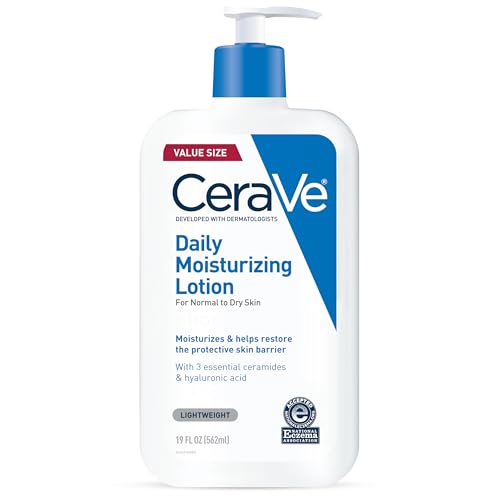
- [ DAILY MOISTURIZING LOTION ] Smooth, light-weight texture that is absorbed quickly, leaving skin feeling smooth and hyd…
- [ LONG-LASTING HYDRATION ] Contains Hyaluronic Acid to help retain skins natural moisture and MVE technology to provide …
- [ GENTLE ON SKIN ] Holds National Eczema Association (NEA) Seal of Acceptance. Fragrance free, allergy-tested, non-comed…
- Dry skin: Look for creams containing glycerin, ceramides, or other moisturizing ingredients.
- Oily skin: Try a lightweight lotion or gel that does not leave an uncomfortable greasy layer.
- Combination skin: A balanced lotion may provide hydration without feeling too heavy.
- Sensitive skin: Fragrance-free formulas with simple ingredient lists can be a useful starting point.
- Acne-prone skin: Look for products labeled non-comedogenic, meaning they are designed not to clog pores.
Apply moisturizer after cleansing, preferably while your skin is still slightly damp. This helps retain moisture.
You do not necessarily need separate day and night moisturizers. One suitable product may work for both, depending on your skin and whether you need additional sun protection during the day.
3. Sunscreen: An Essential Daily Product
Sunscreen is one of the most important parts of a daytime skincare routine. Ultraviolet radiation contributes to sunburn, premature skin aging, and skin cancer risk.
Choose a broad-spectrum sunscreen with SPF 30 or higher. Water resistance can be helpful for swimming or sweating, although no sunscreen is completely waterproof.
How to Choose Sunscreen
For oily or acne-prone skin: Look for a lightweight, non-comedogenic formula.
For dry skin: A moisturizing sunscreen may help combine hydration and sun protection.
For sensitive skin: A fragrance-free formula may be more comfortable. Some people prefer mineral sunscreens containing zinc oxide or titanium dioxide.
For darker skin tones: Consider a tinted formula if conventional sunscreen leaves a visible white cast.
How to Apply Sunscreen Correctly
- Apply it generously to exposed skin as the final step of your morning skincare routine.
- Follow the product label for application timing before sun exposure.
- Cover commonly missed areas, including the ears, neck, and the backs of your hands.
- Reapply approximately every two hours while outdoors, and after swimming, sweating, or towel-drying, following the label directions.
- Combine sunscreen with shade, hats, and protective clothing when practical.
Sunscreen is important on cloudy days when UV exposure remains possible. Makeup with SPF should not automatically replace a properly applied sunscreen layer.
For more dermatologist guidance, read the American Academy of Dermatology’s healthy-skin recommendations.
4. Face Serum: Choose One for a Specific Concern
A serum is an optional addition, not a requirement for healthy skin. Different formulas target different concerns, so the most useful choice depends on what you want to address.
Vitamin C Serum
Vitamin C is an antioxidant ingredient used in products designed to improve the appearance of uneven skin tone and support protection against environmental oxidative stress.
If you try one, select a product with clear ingredient information and packaging appropriate for its formula. Stop using it if persistent irritation develops.
Hyaluronic Acid Serum
Hyaluronic acid helps attract and retain water in the skin. It can be useful when skin feels dehydrated or looks temporarily less plump.
Apply it according to the product directions, then use moisturizer to help retain hydration.
Niacinamide Serum
Niacinamide, a form of vitamin B3, is used in skincare products to support the skin barrier and improve the appearance of uneven texture. Some formulas may also help manage excess oil.
Start with one serum rather than combining several new active ingredients at once.
How to Add a Serum
Cleanse first, apply the serum as directed, and follow with moisturizer. In the morning, sunscreen remains essential.
A serum should complement your routine rather than replace cleansing, moisturizing, or sun protection.
5. Toner: Is It Necessary?
Toners are optional. Depending on the formula, they may provide hydration or deliver ingredients intended to address particular skin concerns.
However, you do not need a toner simply because it is marketed as an essential skincare step.
If you choose one, look for a formula that suits your skin and does not cause stinging, redness, or excessive dryness. People with sensitive or acne-prone skin may find strongly fragranced or astringent products irritating.
For a basic routine, spending your budget on a suitable cleanser, moisturizer, and sunscreen is often more useful than buying toner.
6. Exfoliator: Use Carefully
Exfoliation helps remove dead surface skin cells. Depending on the formulation, it may improve the appearance of rough texture or clogged pores.
There are two broad approaches:
- Chemical exfoliants: Ingredients such as salicylic acid or glycolic acid loosen connections between surface cells or help address specific concerns.
- Physical exfoliants: Scrubs use particles or textured materials to remove surface buildup.
Neither approach is essential for everyone. Over-exfoliating can cause redness, irritation, dryness, and a damaged skin barrier.
If you decide to exfoliate, begin conservatively and follow the product instructions. Avoid combining several strong exfoliating products when you are just starting a routine.
Do not exfoliate irritated, cracked, or sunburned skin. If you have persistent acne, rosacea, eczema, or another skin condition, ask a dermatologist which products are appropriate.
Best Morning Skincare Routine for Men and Women
Most people can use the same basic sequence regardless of gender.
Step 1: Cleanse
Wash with a gentle cleanser to remove overnight buildup. If your skin is very dry or sensitive, adjust your morning cleansing routine to avoid irritation.
Step 2: Apply an Optional Treatment
If your routine includes a serum, apply it according to the product instructions. You can skip this step entirely.
Step 3: Moisturize
Apply a suitable moisturizer to maintain hydration. Oily skin still needs moisture, although a lighter formula may feel more comfortable.
Step 4: Apply Sunscreen
Finish with broad-spectrum SPF 30 or higher sunscreen. Apply enough to cover exposed skin and reapply as directed when outdoors.
This straightforward routine is a good starting point before adding extra products.
Best Nighttime Skincare Routine
Your evening routine focuses on removing the day’s buildup and maintaining hydration.
Step 1: Remove Makeup and Sunscreen
If you wear makeup or water-resistant sunscreen, use an appropriate makeup remover or cleansing product when needed. Follow with a gentle cleanser if necessary.
Step 2: Cleanse Gently
Remove sweat, dirt, and excess oil without scrubbing. Your face should feel comfortable after washing.
Step 3: Apply an Optional Treatment
A targeted product may be appropriate for concerns such as acne, uneven tone, or visible signs of aging. Introduce active ingredients gradually and follow their directions.
Retinoids, for example, can cause irritation and are not suitable for every person. People who are pregnant or planning pregnancy should avoid topical retinoids and seek advice from a qualified healthcare professional about alternatives.
Step 4: Moisturize
Finish with a moisturizer suited to your skin type. This can help reduce dryness and support the skin barrier overnight.
You do not need a separate night cream if your regular moisturizer already meets your needs.
Skincare for Men: What Should You Prioritize?
Men can follow the same essential routine as women. Skin characteristics vary from person to person, so product selection should depend on oiliness, sensitivity, shaving habits, and other individual concerns.
Shaving and Skin Irritation
Shaving can irritate the skin, particularly when using a dull blade or shaving against the direction of hair growth.
To reduce discomfort:
- Wet facial hair with warm water before shaving.
- Use a suitable shaving cream or gel.
- Shave gently and avoid repeated passes over the same area.
- Apply a fragrance-free moisturizer or soothing aftershave product if needed.
- Avoid applying strong exfoliating products immediately if the skin is irritated.
Men with beards should also gently clean the skin underneath and keep the beard area comfortable without over-washing.
A simple routine is usually easier to maintain than a long list of grooming products.
Skincare for Women: Keep the Routine Practical
Women can use the same core products while adjusting the routine for makeup, hormonal changes, dryness, acne, or other concerns.
Makeup Removal
Remove makeup before bed. Depending on the product, a cleansing balm, micellar water, or another suitable makeup remover may help dissolve makeup before regular cleansing.
Targeted Treatments
Choose treatments based on your main concern rather than buying several products because they are trending. For example, a person with occasional dryness may benefit more from a moisturizer than from an additional exfoliating serum.
Pregnancy and Skin Changes
Pregnancy can change how skin behaves, including changes in pigmentation or sensitivity. Some skincare ingredients are not recommended during pregnancy, so discuss active treatments with a qualified healthcare professional when necessary.
The goal is not to create a separate, complicated routine for women. It is to select products that fit individual needs.
How to Choose Products for Your Skin Type
Oily Skin
Oily skin often looks shiny and may be more prone to clogged pores.
Consider:
- A gentle gel or foaming cleanser.
- A lightweight moisturizer.
- Non-comedogenic sunscreen.
- A targeted treatment if excess oil or acne is a concern.
Avoid repeatedly washing your face to remove every trace of oil. Excessive cleansing can irritate the skin.
Dry Skin
Dry skin may feel rough, tight, flaky, or uncomfortable.
Consider:
- A gentle cream cleanser.
- A moisturizer containing glycerin or ceramides.
- A fragrance-free formula if your skin is sensitive.
- Sunscreen that also provides hydration.
Apply moisturizer after washing and avoid aggressive exfoliation when your skin is already flaky or irritated.
Combination Skin
Combination skin may have an oily forehead, nose, and chin alongside drier cheeks.
Consider:
- A gentle cleanser suitable for the entire face.
- A lightweight moisturizer.
- Sunscreen that feels comfortable throughout the day.
You can use different amounts of moisturizer on different areas if necessary.
Sensitive Skin
Sensitive skin may sting, burn, itch, or become red after certain products.
Consider:
- Fragrance-free cleanser and moisturizer.
- A short, uncomplicated ingredient list.
- A suitable sunscreen that does not trigger discomfort.
Introduce new products one at a time. If a product repeatedly causes burning, swelling, or a rash, stop using it. Persistent or severe reactions need medical assessment.
Common Skincare Ingredients Explained
Glycerin: Helps attract water and support hydration.
Ceramides: Lipids that help maintain the skin barrier and reduce moisture loss.
Hyaluronic acid: Helps retain water and improve the feel of dehydrated skin.
Niacinamide: Can support the skin barrier and improve the appearance of uneven texture.
Vitamin C: An antioxidant used in products targeting uneven skin tone and visible discoloration.
Retinoids: A group of ingredients used for concerns such as acne and signs of skin aging. They can cause irritation and require careful selection.
Salicylic acid: An exfoliating ingredient often used in products for clogged pores and acne-prone skin.
No ingredient works equally well for everyone. Formula, concentration, product use, and individual skin sensitivity all matter.
Affordable vs. Premium Skincare Products
A higher price does not automatically mean a product will work better for your skin. Many affordable products can provide the essentials without a complicated routine.
Before purchasing, consider:
- Whether the formula suits your skin type.
- Whether the product addresses a real concern.
- Whether the ingredients and directions are clearly disclosed.
- Whether you can use it consistently.
- Whether you already own a product that serves the same purpose.
If you are comparing more specialized skincare purchases, see our Best Luxury Skincare Products for Face Glow guide. For broader self-care options, explore Best Wellness Products 2026.
You can also review our Affordable Anti-Aging Skincare Products for Women guide if your main interest is products for visible signs of aging. These guides cover different buying needs; none of them replaces the basic daily routine described here.
Common Skincare Mistakes to Avoid
Using Too Many Products at Once
Adding several new products makes it difficult to identify what causes irritation. Introduce one new product at a time.
Skipping Sunscreen
Moisturizer and serum cannot replace proper sun protection. Make sunscreen a regular part of your daytime routine.
Over-Exfoliating
More exfoliation does not necessarily produce better skin. Excessive use may cause irritation and worsen dryness.
Choosing Products Only by Gender
A product marketed to men is not automatically better for men’s skin, and products marketed to women are not automatically better for women’s skin. Ingredients, formulation, and skin compatibility matter more.
Expecting Overnight Results
Most concerns do not improve overnight. Give a suitable routine time to work, and avoid repeatedly changing products without a reason.
Ignoring Persistent Symptoms
Ongoing redness, painful acne, swelling, itching, or unexplained skin changes may require professional assessment rather than additional cosmetic products.
How Long Does Skincare Take to Work?
The timeline depends on the product and the concern being addressed.
- Cleanser: Removes dirt and excess oil during use.
- Moisturizer: Can improve the feel of dry skin soon after application.
- Acne treatments: May take several weeks or longer to show meaningful improvement.
- Products targeting uneven tone: Often require consistent use over weeks, and results vary.
These are general expectations, not guarantees. Follow product directions and seek professional advice if a treatment causes persistent irritation or your skin concern worsens.
Frequently Asked Questions
1. What are the best daily skincare products for men and women?
A gentle cleanser, suitable moisturizer, and broad-spectrum SPF 30 or higher sunscreen are the best starting point for most adults. Serums and treatments are optional additions based on individual concerns.
2. Can men and women use the same skincare products?
Yes. Many products can be used by adults of any gender. The best choice depends on skin type, sensitivity, ingredients, and personal needs.
3. Should I wash my face twice every day?
Many people benefit from washing in the morning and before bed, as well as after heavy sweating. People with very dry or sensitive skin may need to adjust their routine.
4. Is sunscreen necessary every day?
Daily sun protection is important when exposed to daylight. Choose broad-spectrum SPF 30 or higher and combine sunscreen with shade and protective clothing.
5. Does oily skin need moisturizer?
Yes. A lightweight, non-comedogenic moisturizer can help maintain hydration without feeling excessively greasy.
6. Which skincare products are best for dry skin?
A gentle cleanser, a moisturizer containing ingredients such as glycerin or ceramides, and a comfortable sunscreen are useful starting points.
7. Is serum necessary in a daily skincare routine?
No. Serum is optional. Choose one only if it addresses a specific concern and is suitable for your skin.
8. Should I use toner every day?
Not necessarily. Toner is optional, and its usefulness depends on the formula and your skin’s needs.
9. How often should I exfoliate?
There is no single frequency suitable for everyone. Follow the product instructions, begin conservatively, and reduce or stop use if irritation develops.
10. Are expensive skincare products better?
Not always. Affordable products can work well when they contain suitable ingredients and match your skin’s needs.
11. Can skincare products permanently remove acne?
Over-the-counter products can help manage some types of acne, but results vary and acne may recur. Persistent, painful, or scarring acne should be assessed by a dermatologist.
12. How can I introduce a new skincare product safely?
Introduce one product at a time and follow its instructions. Patch testing a small area may help identify some reactions, although it cannot guarantee that a product will never cause irritation.
13. Should I have separate morning and nighttime routines?
The routines can be simple. Morning care should prioritize sun protection, while nighttime care focuses on cleansing and moisturizing, with optional targeted treatments.
14. When should I see a dermatologist?
Seek professional advice for persistent irritation, painful or scarring acne, unexplained skin changes, or symptoms that do not improve with gentle care.
Final Thoughts
The best daily skincare products for men and women are those that meet your skin’s needs without making your routine unnecessarily complicated.
Start with three essentials: a gentle cleanser, a suitable moisturizer, and broad-spectrum sunscreen. Add a serum or treatment only when you have a specific reason to use it, and introduce new products gradually.
Consistency, appropriate sun protection, and choosing products that suit your skin are more useful than chasing every new skincare trend. With a practical routine and realistic expectations, you can support healthier-looking skin without overspending.
Affiliate disclosure: LifeCareBalance may earn a commission from qualifying purchases made through affiliate links, at no additional cost to the reader. Product recommendations should be based on relevance and suitability, not the possibility of earning a commission.