

Discover smart health solutions for better sleep, nutrition, fitness, stress management, recovery, and daily wellness with practical strategies that fit real life.
LifeCareBalance.com is reader-supported. When you buy through links on our site, we may earn an affiliate commission at no extra cost to you. As an Amazon Associate, we earn from qualifying purchases.
Modern life makes health more complicated than it needs to be.
Work demands, family responsibilities, long hours at a desk, irregular schedules, digital distractions, poor sleep, and constant access to health information can make it difficult to know what actually deserves your attention.
That is where smart health solutions can make a difference.
Smart health does not mean buying the newest device, following an extreme diet, exercising for hours, or trying to completely redesign your life overnight. It means making practical decisions that support your physical health, mental well-being, sleep, nutrition, movement, recovery, and everyday routines.
The smartest wellness strategy is usually the one that fits your real life well enough to be repeated.
This guide explains how to build a more practical smart-health system around your mind, body, environment, technology, and daily habits.
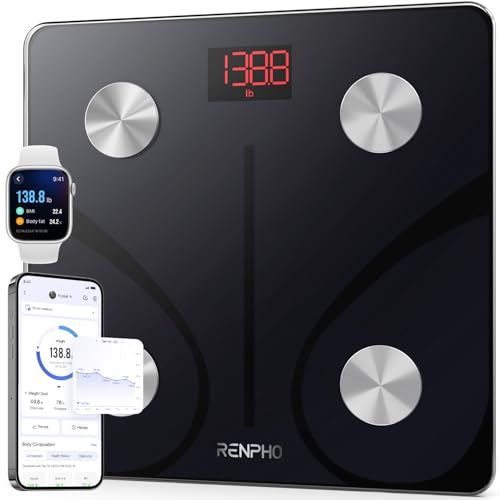
- Smart App Sync & Fitness Integration: Easily connect your digital scale for body weight to the RENPHO Health app via Blu…
- Track Progress & Stay Motivated: In addition to 3 metrics displayed—weight, BMI, and body fat—this bathroom scale also m…
- Getting into the Habit of Health with RENPHO Smart Scale: Serving as your personal health manager, the RENPHO Health app…
What Are Smart Health Solutions?
Smart health solutions are practical strategies, habits, and tools designed to make healthy living more manageable, measurable, and sustainable.
They can include:
- Better nutrition habits
- Regular physical activity
- Consistent sleep
- Stress-management practices
- Mental and emotional wellness
- Recovery and rest
- Health tracking
- Wellness technology
- Better time and environment management
- Preventive healthcare
- Personalized routines
The important word is smart.
A smart solution should solve a real problem.
For example, if you sit at a desk all day, taking short movement breaks may be more useful than buying another fitness gadget.
If your biggest problem is inconsistent sleep, establishing a reliable bedtime routine may be more valuable than obsessively checking sleep scores.
If your schedule makes traditional gym workouts unrealistic, short home-based sessions or walking may be easier to maintain.
Smart health is therefore less about doing more and more about doing what matters.
Smart Health Starts With the Fundamentals
Before adding apps, wearables, supplements, or expensive wellness products, build the foundation.
The most important areas are:
- Nutrition
- Physical activity
- Sleep
- Stress management
- Mental and emotional well-being
- Recovery
- Social connection
- Preventive care
Current public-health guidance continues to emphasize regular physical activity, adequate sleep, healthy eating, and other sustainable lifestyle behaviors as important parts of overall health.
Technology can make these behaviors easier to monitor, but technology should support the foundation rather than replace it.
For a broader lifestyle-focused approach, see our Life Upgrade Tips.
1. Build a Smarter Nutrition Routine
Healthy eating does not have to mean following an extreme diet.
A practical nutrition strategy should fit your preferences, budget, schedule, culture, and health needs.
Instead of trying to eliminate everything you enjoy, focus on building meals around nutrient-dense foods.
Prioritize Food Quality
A balanced eating pattern can include:
- Vegetables
- Fruits
- Whole grains
- Protein-rich foods
- Beans and legumes
- Nuts and seeds
- Healthy fats
- Dairy or suitable alternatives
At the same time, limit excessive intake of highly processed foods, added sugars, saturated fats, and excess sodium.
The goal is not to create a perfect plate every time.
The goal is to make nutritious choices easier most of the time.
Make Healthy Food Convenient
Your environment matters.
If nutritious food requires extensive preparation while less nutritious options are immediately available, convenience can work against your goals.
Try:
- Preparing a few ingredients ahead of time
- Keeping fruit visible
- Having convenient protein options available
- Planning several dependable meals
- Preparing healthy snacks before busy periods
Smart nutrition is often less about willpower and more about preparation.
2. Make Physical Activity Fit Your Lifestyle
Exercise does not have to look the same for everyone.
Walking, strength training, cycling, swimming, dancing, sports, mobility work, and home workouts can all contribute to a more active lifestyle.
Current CDC guidance recommends that adults get at least 150 minutes of moderate-intensity aerobic activity each week, along with muscle-strengthening activity on at least two days per week. Activity can be divided into smaller amounts, and some physical activity is better than none.
Stop Thinking of Exercise as Only a Workout
Movement can happen throughout the day.
You can:
- Walk during a phone call
- Take stairs when practical
- Walk after meals
- Take short movement breaks
- Perform short home workouts
- Stretch after long periods of sitting
- Use a walking pad while working when appropriate
For people who spend significant time working from home, our Best Walking Pads 2026 guide can help with walking-based activity options.
Start at Your Current Level
One of the biggest mistakes people make is starting with a routine that does not match their current fitness level.
If you have been inactive, begin with manageable activity and gradually build.
A routine you can repeat is more useful than an ambitious workout schedule that disappears after a week.
3. Treat Sleep as a Core Health Strategy
Sleep should not be treated as whatever time is left after work, entertainment, and scrolling.
For adults ages 18–60, the CDC recommends at least seven hours of sleep per night. Sleep quality matters as well as quantity.
Create a Consistent Sleep Schedule
Helpful habits include:
- Going to bed and waking up at reasonably consistent times
- Keeping the bedroom comfortable, quiet, and dark
- Limiting unnecessary screen use before bed
- Avoiding caffeine later in the day if it affects sleep
- Avoiding large meals close to bedtime
- Making time to wind down before sleep
The CDC also recommends turning off electronic devices at least 30 minutes before bedtime as part of healthy sleep habits.
If you want to explore sleep technology, see our Sleep Tracker Buying Guide 2026.
You can also read Sleep Tracking & Recovery for a broader look at how sleep data can fit into a wellness routine.
Do Not Become Obsessed With Sleep Scores
A sleep tracker can provide useful trends, but consumer devices estimate many sleep-related metrics.
If checking your score every morning makes you anxious, the technology may be working against your goal.
The purpose of tracking should be to identify useful patterns and support better decisions.
4. Build a Practical Stress-Management System
Stress is part of normal life. The goal is not to eliminate every stressful experience.
Instead, develop healthy ways to respond to stress and create regular opportunities to recover.
The CDC recommends practical strategies such as taking breaks from news and social media, making time to unwind, practicing breathing or meditation, journaling, spending time outdoors, getting enough sleep, staying active, and maintaining social connections.
Use Short Stress Resets
You do not always need an hour-long wellness session.
A short reset might include:
- Slow breathing
- A short walk
- Stretching
- Stepping outside
- Listening to music
- Journaling
- Calling someone you trust
- Taking a break from notifications
These small interventions can make a demanding day more manageable.
Protect Your Attention
Digital overload is an often-overlooked part of modern wellness.
Consider:
- Turning off unnecessary notifications
- Checking email at defined times
- Taking breaks from social media
- Creating phone-free meals
- Avoiding unnecessary screen use before bed
Your attention is part of your daily wellness environment.
5. Support Mental and Emotional Wellness
Mental wellness is not simply about “thinking positive.”
A healthier approach involves understanding your emotions, maintaining supportive relationships, creating boundaries, getting adequate sleep, managing stress, and seeking professional help when necessary.
Useful habits may include:
- Journaling
- Mindfulness
- Time outdoors
- Creative hobbies
- Meaningful social interaction
- Regular physical activity
- Consistent sleep
- Setting realistic expectations
If emotional or mental-health symptoms persist, become severe, or interfere with daily life, self-care should not replace professional support.
6. Make Recovery Part of the Plan
Many people focus heavily on exercise while ignoring recovery.
Recovery can include:
- Adequate sleep
- Rest days
- Mobility work
- Light activity
- Relaxation
- Time away from work
- Hobbies
- Social connection
- Managing training volume
If you regularly use massage or recovery tools, our How to Choose the Right Massage Gun guide can help you evaluate what features actually matter.
A recovery product should support a broader routine rather than become a substitute for rest.
7. Use Health Technology as a Tool, Not a Judge
Technology is one of the biggest differences between modern wellness and traditional habit tracking.
Smartwatches, fitness trackers, smart rings, smart scales, and health apps can provide information about activity, sleep, heart-rate trends, workouts, and other measurements.
But more data does not automatically produce better health decisions.
Recent medical guidance on wearables emphasizes both their potential usefulness and their limitations: wearable data can help people recognize trends and support conversations with healthcare professionals, but consumer-device measurements should not be treated as a diagnosis.
Ask One Question Before Tracking a Metric
What decision will this information help me make?
If the answer is unclear, you may not need to track it.
For example:
If step tracking encourages you to move more, it can be useful.
If sleep tracking helps you notice that late-night screen use consistently affects your sleep, it can be useful.
If checking every metric makes you anxious without changing your behavior, reduce the amount of tracking.
8. Oura Ring 4: Where a Smart Ring Can Fit

- ACCURACY – SMART SENSING – Oura tracks over 50 health metrics, including sleep, activity, stress, heart health, and wome…
- ACCURATE SIZING ESSENTIAL – Oura Ring 4 uses unique sizing different from standard jewelry rings; use the Oura Ring 4 Si…
- LONG LASTING BATTERY – With up to 8 days of battery life, no screens and no vibrations, Oura Ring 4 allows you to focus …
For someone interested in sleep, activity, and recovery-related trends, a smart ring such as the Oura Ring 4 can fit naturally into a personalized wellness routine.
The value is not simply collecting numbers.
The useful part is identifying patterns and deciding whether a practical behavior change makes sense.
For example, someone may use wearable data to notice patterns around:
- Sleep timing
- Activity
- Rest
- Recovery-related trends
- Daily routines
Amazon product placement: Place your Oura Ring 4 affiliate product link on the first natural mention of Oura Ring 4 in this section. Do not add a separate product box elsewhere in the article.
Remember that consumer wearable data has limitations and should not be used alone to diagnose a medical condition.
9. Smart Scales and Body-Composition Tracking
Smart scales can make routine weight tracking more convenient.
However, a single measurement should not determine how you feel about your progress.
Weight naturally fluctuates because of factors such as hydration, food intake, timing, and other normal changes.
If you use a smart scale, focus on longer-term trends rather than reacting to every individual reading.
A product such as the RENPHO Smart Body Fat Scale can be relevant for people who want convenient at-home tracking.
Amazon product placement: Place the RENPHO affiliate link on the first natural mention of RENPHO Smart Body Fat Scale in this section.
For more detailed information about interpreting consumer body-composition measurements, see our Smart Scales: Body Fat Accuracy 2026 guide.
10. Create a Smart Health Routine for Your Real Schedule
A routine that works for a professional athlete may be completely unrealistic for a parent, student, office worker, or frequent traveler.
Instead of copying someone else’s routine, start with your actual life.
Ask:
What Is My Main Health Priority?
Choose one or two priorities.
Examples:
- Improve sleep
- Become more active
- Eat more balanced meals
- Reduce sedentary time
- Manage everyday stress
- Improve recovery
What Is Actually Realistic?
If you work 10-hour days, a two-hour daily wellness routine may not be sustainable.
If you travel frequently, your routine needs portable habits.
If you work from home, movement breaks may be especially important.
If you are a beginner, your starting point should reflect your current fitness level.
Personalization makes a routine more realistic.
For a deeper approach to personalized wellness planning, read Personalized Wellness Solutions.
11. Build a Healthier Workday
Modern work can quietly undermine healthy habits.
Long periods of sitting, constant notifications, skipped meals, and work that extends into the evening can make wellness difficult.
A smarter workday might include:
Morning
- Get moving
- Eat a balanced breakfast if it fits your routine
- Review your priorities
- Avoid immediately becoming overwhelmed by notifications
During work
- Take movement breaks
- Keep water available
- Eat a proper meal
- Step away from the screen periodically
After work
- Create a transition between work and personal time
- Take a walk
- Exercise
- Spend time with family or friends
- Avoid carrying unnecessary work into the evening
The objective is not a perfect schedule.
It is to prevent work from consuming every part of the day.
12. Make Your Home Environment Health-Friendly
Your environment influences your choices.
If your exercise equipment is hidden away, you may use it less.
If unhealthy snacks are always visible, they may become the easiest choice.
If your bedroom is uncomfortable or filled with distractions, sleep may become harder.
Simple environmental changes can include:
- Keep walking shoes visible
- Place workout equipment somewhere accessible
- Keep nutritious foods easy to reach
- Create a calmer bedroom
- Keep your workspace organized
- Reduce unnecessary bedroom technology
- Prepare healthy food before busy periods
The goal is to reduce friction around healthy behaviors.
13. Social Connection Is Part of Wellness
Wellness should not become an isolated project.
Healthy relationships and meaningful social connection are important parts of a balanced life.
Consider:
- Regularly checking in with family
- Spending time with friends
- Joining a community activity
- Exercising with another person
- Sharing meals
- Making time for hobbies with others
A smart health routine should support your life, not separate you from it.
14. Preventive Health Belongs in a Smart Wellness Plan
Lifestyle habits are important, but they are not the entire healthcare picture.
Smart health also means paying attention to preventive care appropriate for your age, sex, personal risk factors, and medical history.
That can include:
- Routine healthcare visits
- Recommended screenings
- Vaccinations
- Dental care
- Vision care
- Discussing persistent symptoms with a healthcare professional
Lifestyle improvements should complement appropriate healthcare rather than replace it.
15. Supplements Should Not Become the Foundation
The supplement industry can make wellness appear more complicated than it is.
Before adding a supplement, ask:
- Do I have a specific reason for taking it?
- Is there evidence supporting its use for my situation?
- Could it interact with medication?
- Is the dosage appropriate?
- Have I discussed it with a healthcare professional when necessary?
A supplement should not become an excuse to ignore sleep, nutrition, movement, or other foundational habits.
16. Avoid These Smart-Health Mistakes
Mistake 1: Trying to Change Everything at Once
Changing diet, workouts, sleep, supplements, meditation, screen time, and every other habit simultaneously can become overwhelming.
Start with a manageable priority.
Mistake 2: Copying Someone Else’s Routine
A routine designed for someone else’s schedule, fitness level, budget, or goals may not fit your life.
Mistake 3: Buying Technology Before Fixing the Basics
A $300 wearable cannot compensate for consistently poor sleep or inactivity.
Technology is most useful when it supports a behavior you are actually trying to improve.
Mistake 4: Obsessing Over Numbers
Weight, steps, calories, sleep scores, and readiness scores are measurements—not your identity.
Use data to make decisions rather than judge yourself.
Mistake 5: Expecting Instant Results
Healthy routines generally require repetition.
Do not abandon a useful habit simply because you did not notice a dramatic change after a few days.
Mistake 6: Treating Wellness as Medical Treatment
Lifestyle habits can support general well-being, but they are not a substitute for diagnosis or treatment when medical care is needed.
17. A Simple 30-Day Smart Health Framework
You do not need to rebuild your entire life in one weekend.
Use the first month to create a foundation.
Week 1: Observe
Before changing everything, notice:
- When you sleep
- How much you move
- What you typically eat
- When you feel most stressed
- How often you use your phone
- When your energy is highest and lowest
Week 2: Choose Two Priorities
Select only two areas.
For example:
Priority 1: Walk for 15–20 minutes most days.
Priority 2: Establish a more consistent bedtime.
Week 3: Improve Your Environment
Make the behaviors easier.
Put your walking shoes where you can see them.
Prepare simple meals.
Move your phone away from your bed.
Create a more comfortable sleep environment.
Week 4: Review the System
Ask:
- What was easy?
- What was difficult?
- What actually helped?
- What created unnecessary stress?
- What should continue?
- What should change?
Then build your next month around what you learned.
18. How to Know Whether Your Smart Health Plan Is Working
Do not measure progress only through weight or appearance.
Look at broader indicators such as:
- More consistent sleep
- More regular physical activity
- Better routine consistency
- Improved ability to manage daily stress
- More balanced meals
- Less unnecessary screen time
- Better energy management
- Greater confidence in your routine
- Fewer skipped workouts because of poor planning
The goal is not to become perfect.
The goal is to create a healthier system that works repeatedly.
Smart Health Solutions for Different Lifestyles
For Busy Professionals
Prioritize:
- Short movement breaks
- Simple meal preparation
- Consistent sleep
- Calendar-based workouts
- Digital boundaries
- Walking during calls when appropriate
For Parents
Focus on realistic family-friendly habits rather than complicated individual routines.
Walking, shared meals, outdoor activities, and consistent sleep routines can be easier to maintain when wellness becomes part of family life.
For Beginners
Do less, but do it consistently.
Start with walking, basic strength exercises, balanced meals, and a realistic sleep schedule before adding complicated tracking systems.
For Frequent Travelers
Create portable habits:
- Walking at airports
- Simple hotel-room workouts
- Consistent sleep timing when possible
- Hydration
- Portable nutritious snacks
- Short relaxation sessions
A good travel routine does not need to look identical to your home routine.
The Smart Health Technology Rule
Before purchasing any wellness device, ask five questions:
- What problem does it solve?
- Will I actually use it regularly?
- Will the information change my behavior?
- Are the measurements useful enough for my goal?
- Could the device create unnecessary stress or distraction?
This simple checklist can prevent unnecessary purchases.
Our Best Wellness Products for 2026 guide can also help you explore wellness products based on practical use cases rather than trends alone.
When to Talk to a Healthcare Professional
Smart lifestyle habits are valuable, but they have limits.
Consider speaking with a qualified healthcare professional if you have:
- Persistent or worsening symptoms
- Significant sleep problems
- Unexplained changes in weight or energy
- Ongoing pain
- Severe or persistent stress
- Mental-health symptoms affecting daily life
- Concerns about medications or supplements
- A chronic medical condition requiring management
Wearables, smart scales, wellness apps, and online information can provide useful context, but they should not replace appropriate medical evaluation.
Frequently Asked Questions
What are smart health solutions?
Smart health solutions are practical habits, strategies, and wellness tools that help people manage areas such as nutrition, physical activity, sleep, stress, recovery, and daily routines more effectively.
Are smart health solutions expensive?
No. Many useful health strategies are free or inexpensive. Walking, preparing balanced meals, improving sleep habits, taking breaks, spending time outdoors, and maintaining social connections do not require expensive equipment.
How much physical activity should adults get?
Current CDC guidance recommends at least 150 minutes of moderate-intensity aerobic activity each week plus muscle-strengthening activity on at least two days per week. You can divide activity into smaller sessions.
How much sleep do adults need?
Adults ages 18–60 generally need at least seven hours of sleep per night. Sleep quality and consistency also matter.
Can wearable technology improve healthy habits?
Wearables can help people monitor selected activity, sleep, and other trends. They may support awareness and motivation, but their measurements have limitations and should not be treated as a medical diagnosis.
Should I track every health metric?
No. Track information that helps you make useful decisions. Tracking too many metrics can create unnecessary complexity or anxiety.
Do I need supplements for a healthy lifestyle?
Not necessarily. Supplements may be appropriate in certain circumstances, but they should not replace a balanced diet, adequate sleep, physical activity, or appropriate medical care.
What is the easiest smart health habit to start?
Start with one behavior that fits naturally into your existing schedule. A daily walk, consistent bedtime, healthier meal preparation, or regular movement breaks can be practical starting points.
How can I make a healthy routine easier to maintain?
Make the desired behavior convenient, start with realistic goals, reduce unnecessary friction, and adjust your routine when your circumstances change.
What if I miss several days?
Restart without treating the setback as failure. A sustainable wellness routine should be flexible enough to accommodate travel, work demands, illness, family responsibilities, and other disruptions.
Final Thoughts
Smart health solutions are not about creating the most complicated wellness routine.
They are about creating a system that works in real life.
Start with the fundamentals: eat a balanced diet, stay physically active, protect your sleep, manage stress, maintain meaningful relationships, and make your environment supportive of healthy choices.
Then add technology only when it solves a real problem.
A wearable can help you understand activity or sleep trends. A smart scale can make tracking more convenient. An app can help organize a routine. But none of these tools can replace the fundamentals.
The smartest approach is to use the right amount of information, the right tools, and the right habits for your life.
Better health does not require perfection.
It requires a practical system you can continue using tomorrow, next month, and long after the latest wellness trend disappears.