
LifeCareBalance.com is reader-supported. When you buy through links on our site, we may earn an affiliate commission at no extra cost to you. As an Amazon Associate, we earn from qualifying purchases.
If you’re shopping for one of the best rowing machines for weight loss, you’re probably considering two important questions: which rower fits your budget, available space, and fitness level, and whether rowing can actually support your weight-loss goals.
A home rowing machine can provide a convenient full-body cardio workout. It allows you to exercise indoors, adjust your workout intensity, and build a consistent fitness routine. However, no rowing machine can automatically burn belly fat or guarantee weight loss. Your results depend on factors such as physical activity, eating habits, recovery, and consistency.
In this guide, we compare five home rowing machines across different price ranges and resistance types. We’ll also explain how rowing supports weight management, what to look for before buying, and how to choose a rower that you can realistically use for months and years.
Quick Comparison: Best Rowing Machines for Weight Loss
| Rowing Machine | Best For | Resistance | Weight Capacity | Tracking | Subscription | Approx. Price |
|---|---|---|---|---|---|---|
| Concept2 RowErg | Overall performance and serious cardio training | Air | 500 lbs tested by Concept2; 300 lbs under EN 20957-7 | PM5 monitor and ErgData app | None required | $990 |
| Hydrow Pro Rower | Guided, interactive workouts | Electromagnetic | 375 lbs | 22-inch HD touchscreen | Required for full workout library | $2,195 |
| WaterRower Natural | Natural rowing feel and home aesthetics | Water | 700 lbs | S4 performance monitor | None required | Approximately $1,100–$1,450 |
| NordicTrack RW700 | Interactive workouts at a lower premium price | Magnetic | 300 lbs | 10-inch HD touchscreen | Optional iFit for expanded content | Approximately $1,499 |
| Sunny Health & Fitness SF-RW5515 | Budget-conscious beginners | Magnetic | 250 lbs | Basic LCD console | None required | Approximately $240 |
Prices, specifications, and subscription costs can change. Confirm current details with the manufacturer before purchasing.
Best Rowing Machines for Weight Loss in 2026
1. Concept2 RowErg

- Indoor rowing is an effective full-body and low-impact workout; flywheel design minimizes noise while maximizing a smoot…
- Includes the performance monitor 5, giving you accurate, comparable data for every row; Adjustable monitor arm
- 20-Inch seat height, nickel-plated chain, Adjustable footrests and ergonomic handle; Construction: Welded steel
Best for: Buyers who want a durable, straightforward rowing machine for regular cardio and interval training.
The <a href=”https://www.concept2.com/ergs/rowerg”>Concept2 RowErg</a> is designed for people who want reliable performance tracking without paying for a monthly workout membership. It is suitable for beginners learning the basics and experienced users who want a dependable machine for steady-state rowing and high-intensity sessions.
Price: Approximately $990 for the standard-leg model.
Resistance type: Air resistance with an adjustable damper. The machine responds to how hard you pull, allowing you to control the intensity of each workout.
Weight capacity: Concept2 lists a 500-pound tested capacity, while the European EN 20957-7 standard specifies a 300-pound user weight for the applicable testing classification. Buyers should confirm which specification applies to their needs.
Dimensions: Approximately 96 inches long and 24 inches wide. The standard model has a 54-inch monorail and a seat height of around 14 inches. A tall-leg version raises the seat to approximately 20 inches. The frame separates into two pieces for storage.
Tracking: The PM5 monitor displays information such as time, distance, pace, stroke rate, calories, and heart rate when paired with a compatible heart-rate sensor. It can also connect with the free ErgData app.
Subscription requirement: None for the core rowing and tracking features.
Pros
- Reliable air-resistance system for steady-state and interval workouts.
- No required monthly membership.
- Detailed performance tracking.
- Frame separates for easier storage.
- Suitable for a wide range of fitness levels.
Cons
- The flywheel creates noticeable air noise.
- No built-in touchscreen or instructor-led video classes.
- The monitor looks more functional than entertainment-focused.
- The machine requires substantial floor length during use.
Weight-loss suitability: The RowErg is useful for people who want to combine moderate rowing sessions with occasional intervals. Its performance monitor can help you track time, pace, and distance as your fitness improves.
Who should buy it: People who want a long-term training tool and do not need streaming classes.
Who should skip it: Buyers who prefer a large touchscreen and built-in instructor-led workouts.
2. Hydrow Pro Rower

- UPRIGHT AND SECURE STORAGE: Easily store your Hydrow Rower rowing machine with the Upright Storage Kit. This kit allows …
- WALL MOUNTED DESIGN: This accessory must be installed correctly into your wall, following the steps in the included inst…
- KIT INCLUDES: strap, bracket, cover, wood studs, washers and drill bit. KIT REQUIRES: drill, stud finder, level, wrench,…
Best for: People who enjoy guided classes, scenic workouts, and interactive home fitness.
The <a href=”https://hydrow.com/”>Hydrow Pro Rower</a> is aimed at users who prefer a connected fitness experience. Its large screen provides access to instructor-led rowing sessions and additional workout content.
Price: Approximately $2,195 when purchased outright. Financing options may be available.
Resistance type: Electromagnetic resistance controlled through the machine’s connected system.
Weight capacity: 375 pounds.
Dimensions: Approximately 86 inches long, 25 inches wide, and 47 inches tall. The machine has a substantial footprint and may require a dedicated workout area.
Tracking and display: A 22-inch HD touchscreen displays guided workouts and rowing information. The platform also offers content beyond rowing, depending on the membership plan.
Subscription requirement: A membership is required to access the full workout library. The machine can be used in a manual “Just Row” mode without an active membership, but access to guided content is limited.
Pros
- Large touchscreen with scenic and instructor-led workouts.
- Structured classes may help some users stay motivated.
- Smooth electromagnetic resistance.
- Higher listed weight capacity than several other models in this comparison.
Cons
- High upfront purchase price.
- Full interactive functionality requires a recurring membership.
- Large footprint may not suit smaller homes.
- The screen has less value if you do not plan to use the membership.
Weight-loss suitability: Hydrow can be useful for people who enjoy structured exercise sessions. The guided classes may make it easier to follow a routine, but the subscription is an additional long-term expense.
Who should buy it: Buyers who enjoy digital coaching and want an immersive home workout experience.
Who should skip it: Anyone who wants a simple rower without recurring costs.
3. WaterRower Natural

- The Original Waterrower – Handcrafted and Built to Last: Designed in the mid ’80s by Yale and US National Team Rower Joh…
- Made in the USA – Hand-built in Rhode Island; all timber used in the manufacture of wooden WaterRower rowing machines is…
- Smooth – Water rowers use a water-filled flywheel to provide resistance as you row. The resistance is created by the pad…
Best for: People who prefer a natural rowing sensation, attractive construction, and a machine without subscription fees.
The WaterRower Natural uses water resistance to recreate some of the feel of rowing on water. Its wooden frame also makes it visually different from the metal and plastic construction common in many home fitness machines.
Price: Approximately $1,100–$1,450, depending on the retailer and current promotions.
Resistance type: Water resistance. A paddle moves through a water tank, and resistance responds to how strongly you row.
Weight capacity: Listed at approximately 700 pounds. Confirm the current manufacturer specification before purchase.
Dimensions: Approximately 82.25 inches long, 22.25 inches wide, and 20 inches tall during use. It can be stored upright but does not fold flat.
Tracking: The S4 performance monitor tracks workout information such as time, distance, stroke rate, and estimated calories. Additional connectivity may require an optional accessory.
Subscription requirement: None.
Pros
- Natural, self-regulating resistance.
- Water sound may be preferable to the noise of an air flywheel.
- Attractive wooden construction.
- No required monthly membership.
- Upright storage is possible.
Cons
- More expensive than many basic magnetic rowers.
- Water adds weight when moving the machine.
- Does not fold flat.
- Basic monitor compared with connected rowers.
- Requires attention to water maintenance.
Weight-loss suitability: The natural resistance curve can work well for steady, comfortable sessions. It is a practical choice for someone who values the rowing experience and expects to exercise regularly.
Who should buy it: Buyers who want a furniture-style rower and do not need a touchscreen.
Who should skip it: People who need a lightweight, highly compact machine or want built-in guided classes.
4. NordicTrack RW700
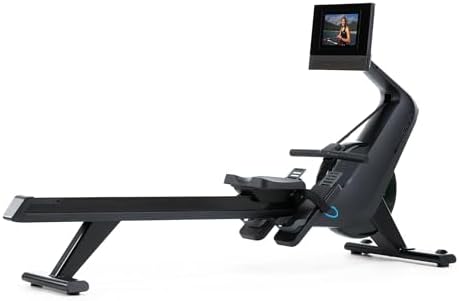
- [Value-Packed Membership] – An iFIT Pro Membership ($39/mo) is required to access all iFIT content and connected feature…
- [Tilting 10″ HD Touchscreen with Streaming] – The 10” touchscreen tilts for optimal viewing angle. Stream your favorite …
- [26 Digital Resistance Levels] – 26 resistance levels provide customized intensity for every fitness level, from recover…
Best for: Buyers who want an interactive magnetic rowing machine without moving directly into the highest premium price range.
The NordicTrack RW700 combines magnetic resistance with a touchscreen and access to iFit content. It may appeal to people who prefer guided workouts but still want the option to row manually.
Price: Approximately $1,499 at list price, although promotions may change the final cost.
Resistance type: Magnetic resistance with 26 digital resistance levels.
Weight capacity: 300 pounds.
Dimensions: Approximately 81.3 inches long, 24.8 inches wide, and 45.4 inches tall.
Tracking: The 10-inch HD touchscreen displays workout information such as time, strokes, and estimated calories. During compatible guided sessions, resistance may adjust automatically.
Subscription requirement: iFit is optional for expanded interactive content. Manual rowing remains available without the full membership, but the available features may be more limited.
Pros
- Interactive touchscreen experience.
- 26 resistance levels.
- Digital resistance adjustments.
- Often offered at a discount from list price.
- Suitable for people who enjoy guided exercise.
Cons
- Full interactive features require a membership.
- Large footprint compared with basic rowers.
- Weight capacity is lower than the listed capacity of the WaterRower Natural and Hydrow Pro.
- Some users may prefer the dynamic feel of air or water resistance.
Weight-loss suitability: The guided programming may help beginners follow a regular routine. However, the most important factor is whether the machine encourages consistent activity rather than simply offering a large screen.
Who should buy it: Buyers who want a connected rowing experience at a lower price than some premium alternatives.
Who should skip it: People who want a subscription-free machine or a very simple setup.
5. Sunny Health & Fitness SF-RW5515

- 【FULL BODY WORKOUT】Complete body workout that engages all major muscle groups with the smooth, hydraulic resistance that…
- 【FREE CONNECTED APP】 Enjoy FREE access to the SunnyFit App with every Sunny Health & Fitness product—no membership fees!…
- 【COMPACT & LIGHTWEIGHT】The portable design maximizes storage for convenience. The rower takes up minimal space for hassl…
Best for: Beginners and budget-conscious shoppers who want a basic rowing machine for home cardio.
The Sunny Health & Fitness SF-RW5515 is designed for people who want to start rowing without investing in an expensive connected machine. It offers adjustable magnetic resistance, a basic console, and a folding design.
Price: Approximately $240, depending on the retailer.
Resistance type: Magnetic resistance with eight adjustable levels.
Weight capacity: 250 pounds.
Dimensions: Approximately 89 inches long, 18.9 inches wide, and 23.6 inches tall. The frame folds for storage and includes transport wheels.
Tracking: The basic LCD console displays information such as time, stroke count, and estimated calories.
Subscription requirement: None required to use the machine.
Pros
- Affordable starting price.
- Folding design for easier storage.
- No recurring membership costs.
- Simple controls for beginners.
- Useful for adding regular home cardio.
Cons
- Eight resistance levels offer less adjustment than many premium rowers.
- Basic console with no touchscreen.
- 250-pound listed weight capacity.
- May not satisfy advanced users who want a broader intensity range.
- Warranty coverage should be checked carefully before purchase.
Weight-loss suitability: This rower can help beginners add regular physical activity at a relatively low cost. However, users should make sure its resistance range, size, and weight capacity match their needs.
Who should buy it: First-time rowers who want an affordable way to establish a workout habit.
Who should skip it: Users who need a higher weight capacity or want advanced performance tracking.
How We Chose These Rowing Machines
When choosing a rowing machine for weight loss, the most important feature is not necessarily the screen size or the number of resistance levels. The machine should fit your body, space, budget, and preferred workout style.
We considered the following factors:
- Resistance system: Air, magnetic, water, and electromagnetic systems offer different workout experiences.
- Workout flexibility: The rower should support comfortable steady-state workouts and, where appropriate, interval training.
- Tracking: Useful metrics may include time, distance, pace, stroke rate, and heart rate.
- Comfort: Seat design, handle grip, foot placement, and rail length affect longer sessions.
- Weight capacity: Always check the manufacturer’s current limit before purchasing.
- Rail length: Taller users should confirm that the machine accommodates their inseam.
- Noise: This matters in apartments and shared homes.
- Footprint: Measure the space needed while rowing, not just the storage dimensions.
- Storage: Folding, separating, or upright-storage features may be important in small homes.
- Subscription costs: Consider the total cost over several years.
- Warranty: Compare frame, parts, and labor coverage.
- Overall value: A simple machine that you use consistently may provide more practical value than a feature-rich rower that does not suit your routine.
Is Rowing Good for Weight Loss?
Yes, rowing can support a weight-loss plan by increasing physical activity and energy expenditure. It is a form of cardio that also involves the legs, hips, back, arms, and core during the rowing movement.
However, weight loss does not come from a machine alone. It generally occurs when your body uses more energy than you consume over time. Food intake, physical activity, sleep, stress, and other lifestyle factors can influence that balance.
The CDC explains how physical activity supports weight management and provides general activity guidance for adults. Regular exercise can also provide benefits beyond weight loss, including improved cardiovascular health, physical function, and sleep.
Rowing may be especially useful for people who want a seated, relatively low-impact exercise option. The movement places less repetitive impact on the joints than activities such as running, although proper technique is still important.
How Many Calories Does Rowing Burn?
There is no single calorie-burn figure that applies to every person using a rowing machine.
Your estimated calorie expenditure depends on several factors:
- Body weight.
- Workout duration.
- Rowing intensity.
- Stroke rate.
- Fitness level.
- Technique.
- Type of rowing machine.
A heavier person may use more energy than a lighter person during a similar workout, but individual results can vary. Machine displays and fitness trackers provide estimates rather than exact measurements.
For a more detailed discussion of calorie expenditure and rowing workouts, read this Healthline guide to rowing for weight loss.
Instead of focusing only on the calorie number shown on the monitor, track your workout duration, consistency, pace, and how your fitness changes over time.
Can Rowing Help You Lose Belly Fat?
Rowing can contribute to overall fat loss when combined with an appropriate eating pattern and regular physical activity. However, it cannot specifically target fat from your stomach.
This is known as spot reduction. Exercising a particular area does not guarantee that fat will be lost from that area first. Your body determines where it stores and uses fat based on several individual factors.
A rowing machine can be part of a broader routine that includes cardio, strength training, balanced nutrition, and adequate recovery. Over time, this approach may support changes in body composition and overall fitness.
How to Use a Rowing Machine for Weight Loss
A consistent, manageable workout routine is generally more useful than occasional extreme sessions. Beginners should focus on learning proper rowing technique before increasing intensity.
Beginner rowing workout
Try a short session such as:
- 5 minutes of easy warm-up.
- 10 minutes of comfortable, moderate rowing.
- 5 minutes of easy cooldown.
Start with a few sessions per week and increase duration gradually as your comfort and technique improve.
Intermediate rowing workout
Once you are comfortable with the basic movement, you can add variety:
- Begin with a 5-minute warm-up.
- Row at a moderate pace for 10 minutes.
- Add several short intervals with easier rowing between them.
- Finish with a cooldown.
Keep the intensity appropriate for your fitness level.
Advanced rowing workout
Experienced users may include structured intervals, longer steady-state sessions, or a combination of both. High-intensity workouts should not replace every other session, and you should maintain good technique when fatigue increases.
The key is to create a routine you can maintain. A moderate workout performed consistently may be more practical than an exhausting session that causes you to stop exercising for several days.
Air vs. Magnetic vs. Water Rowers for Weight Loss
| Feature | Air Resistance | Magnetic Resistance | Water Resistance |
|---|---|---|---|
| Resistance feel | Dynamic; responds to pulling effort | Smooth and adjustable through preset levels | Natural, self-regulating feel |
| Noise | Noticeable flywheel sound | Generally quieter | Water sound during rowing |
| Maintenance | Usually low; occasional chain care | Generally low | Water treatment and tank checks |
| Steady-state workouts | Suitable | Suitable | Suitable |
| Interval training | Suitable for varied intensity | Suitable, especially with digital levels | Suitable, although effort controls resistance |
| Storage | Some models separate | Many models fold or store compactly | Often stores upright but may not fold flat |
| Price range | Budget to premium | Budget to premium | Usually mid-range to premium |
| Beginner suitability | Requires learning effort control | Often easy to adjust | Natural resistance feel may be comfortable |
No resistance type automatically produces better weight-loss results. The more important question is whether the machine fits your preferences and allows you to exercise regularly.
What to Look for When Buying a Rowing Machine for Weight Loss
1. Resistance range
Choose a machine that can provide a comfortable warm-up and a challenging workout as your fitness improves.
2. Monitor and tracking
Decide whether you need advanced performance metrics or simply want to track time, distance, and workout consistency.
3. Heart-rate compatibility
If you plan to train using heart-rate zones, check whether the machine supports a compatible chest strap or heart-rate monitor.
4. Comfort and ergonomics
A comfortable seat and suitable handle can make a major difference during 20-, 30-, or 45-minute sessions.
5. Weight capacity
Check the current manufacturer-listed weight limit. Do not choose a machine that is rated below your body weight.
6. Rail length
Taller users should confirm the rail length and maximum recommended inseam before buying.
7. Noise level
Magnetic rowers are often quieter, while air rowers produce a noticeable flywheel sound. Water rowers produce a characteristic water noise.
8. Footprint and storage
Measure the available floor space and allow enough room for the complete rowing movement. Also check how the machine is stored when not in use.
9. Subscription costs
Some interactive rowers require a paid membership for guided classes. Include those recurring costs in your budget.
10. Warranty
Compare the frame, parts, and labor warranty. A low-cost machine may have different coverage for its frame and components.
Rowing Machine vs. Walking Pad for Weight Loss
A rowing machine and a walking pad can both support a home fitness routine, but they offer different experiences.
Rowing involves the legs, back, arms, and core in one coordinated movement. It can provide a challenging cardio workout while keeping your feet supported. A walking pad, on the other hand, is often easier to use for longer, lower-intensity periods, including while working at a standing desk or watching television.
If you want to compare home cardio alternatives, explore our guide to the best walking pads for home use. You can also review our broader best walking pads of 2026 roundup when comparing compact walking equipment.
The right option depends on your available space, exercise preferences, fitness level, and the type of activity you can perform consistently.
Do You Need Strength Training Too?
Rowing provides cardiovascular exercise and involves several major muscle groups, but it is not a complete replacement for dedicated strength training.
A balanced home fitness routine may include aerobic activity and muscle-strengthening exercises. The CDC recommends that adults include muscle-strengthening activity alongside aerobic exercise.
If you want to add resistance training to your home routine, our guide to the best adjustable dumbbells for home workouts can help you explore space-efficient strength-training equipment.
Combining rowing with appropriate strength training may help you work toward broader fitness goals, including strength, endurance, and improved body composition.
Common Rowing Machine Weight-Loss Mistakes
Rowing too hard too soon
Beginners should learn the movement and build endurance gradually. Starting with maximum intensity may make it harder to maintain a consistent routine.
Ignoring technique
The rowing stroke includes the catch, drive, finish, and recovery. Poor technique can place unnecessary stress on the back and shoulders.
Focusing only on calorie estimates
A machine’s calorie display is an estimate. Use it as a general reference rather than treating it as an exact measurement.
Expecting belly-fat reduction
Rowing supports overall activity and may contribute to fat loss, but it cannot control where your body loses fat.
Doing only intense intervals
A mixture of comfortable steady-state workouts and occasional intervals may be easier to maintain than constant high-intensity training.
Ignoring recovery
Rest, sleep, and gradual progression are important for maintaining a sustainable exercise habit.
Buying a machine that does not fit your space
Measure the room before purchasing. Remember to account for the full length of the machine while you are rowing.
Overlooking subscription costs
A low upfront price does not always mean a low long-term cost. Check whether guided workouts require a monthly membership.
Ignoring weight capacity
Weight capacity is an important safety and suitability specification. Always verify it before buying.
Choosing only by screen size
A large display can be appealing, but resistance, comfort, dimensions, tracking, and overall usability matter more for a long-term workout routine.
Frequently Asked Questions
Is a rowing machine good for losing weight?
A rowing machine can support weight loss by increasing physical activity and calorie expenditure. However, sustainable weight loss also depends on eating habits, recovery, and other lifestyle factors.
How long should I row to lose weight?
There is no universal duration that guarantees weight loss. Beginners can start with short, comfortable sessions and gradually build toward regular weekly activity. The CDC’s general adult activity guideline includes at least 150 minutes of moderate-intensity aerobic activity per week, although individual needs vary.
Can rowing reduce belly fat?
Rowing can contribute to overall fat loss, but it cannot specifically target belly fat. Spot reduction is not a reliable way to change body fat distribution.
Is rowing better than walking for weight loss?
Neither is universally better for everyone. Rowing can provide a full-body cardio workout, while walking is often easier to sustain for longer periods and may be more comfortable for some people. Your fitness level, preferences, and consistency all matter.
How many calories does 30 minutes of rowing burn?
The number varies according to body weight, intensity, duration, and other factors. Treat machine and online calorie estimates as approximate rather than exact.
Is rowing suitable for beginners?
Yes. Beginners can start with short, moderate sessions and focus on proper technique. Resistance and workout duration should be increased gradually.
Is a magnetic or air rower better for weight loss?
Both can support a weight-loss routine. Air rowers respond dynamically to your effort, while magnetic rowers often provide quieter, more predictable resistance. The better fit depends on your workout preferences.
Do rowing machines build muscle?
Rowing engages the legs, back, arms, and core and can improve muscular endurance. However, dedicated strength training may be more appropriate if building substantial muscle is your primary goal.
Do I need a subscription for a smart rowing machine?
It depends on the model. The Concept2 RowErg and WaterRower Natural do not require a membership for their basic operation. Connected rowers such as Hydrow may require a subscription for full access to guided classes.
Can I use a rowing machine every day?
Some people can row frequently, but recovery needs vary. Beginners should allow time to adapt, and higher-intensity workouts may require additional recovery. Alternating workout intensity and taking rest days can help support a sustainable routine.
Conclusion
The best home rowing machine for weight loss depends on your budget, available space, preferred resistance type, and the kind of workout experience you want.
The Concept2 RowErg offers detailed performance tracking without a required membership. The Hydrow Pro Rower is designed for people who enjoy instructor-led workouts and interactive content. The WaterRower Natural provides a distinctive water-resistance experience, while the NordicTrack RW700 combines magnetic resistance with guided workout features. The Sunny Health & Fitness SF-RW5515 offers a more affordable entry point for beginners.
Before purchasing, consider weight capacity, comfort, machine dimensions, tracking features, storage, and long-term subscription costs. Most importantly, choose equipment that makes regular exercise realistic for your lifestyle.
A rowing machine can be a useful part of a broader weight-management routine, but it works best alongside sustainable eating habits, consistent physical activity, appropriate strength training, and realistic expectations.