
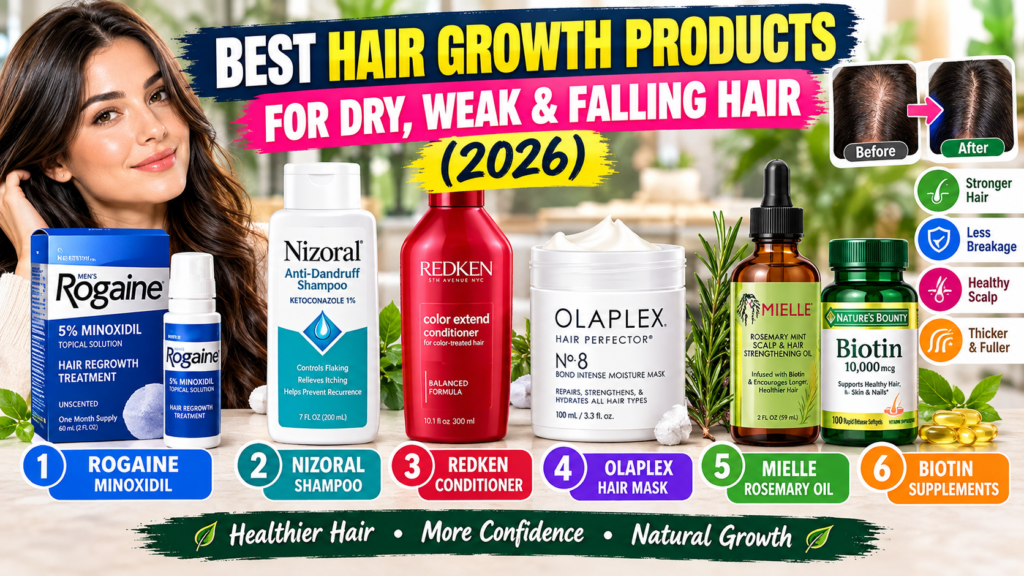
Discover the best hair growth products for dry, weak, and thinning hair. Compare shampoos, conditioners, minoxidil, oils, and supplements.
LifeCareBalance.com is reader-supported. When you buy through links on our site, we may earn an affiliate commission at no extra cost to you. As an Amazon Associate, we earn from qualifying purchases.
Dry, weak, thinning, and excessively shedding hair can affect both men and women. Heat styling, chemical treatments, nutritional deficiencies, hormonal changes, scalp conditions, and hereditary hair loss can all contribute to hair problems. However, the right solution depends on whether your main concern is damaged hair, breakage, or actual hair loss.
The best hair growth products are not necessarily the ones with the longest ingredient lists or the strongest marketing claims. A moisturizing conditioner may help prevent breakage, while a clinically supported treatment such as minoxidil may help certain types of hair loss. Supplements are most useful when they address a genuine nutritional deficiency.
In this guide, we compare hair growth treatments, shampoos, conditioners, scalp products, oils, and supplements to help you choose options that match your hair concerns, budget, and routine.
Quick Answer: What Are the Best Hair Growth Products?
The best choice depends on your specific hair problem.
- For hereditary hair thinning: Minoxidil may help suitable users regrow hair or slow further loss.
- For dry and brittle hair: A moisturizing conditioner and leave-in treatment can improve softness and reduce breakage.
- For dandruff and an irritated scalp: An appropriate anti-dandruff shampoo may help address the underlying scalp problem.
- For damaged hair: A conditioning mask can improve manageability and the appearance of damaged strands.
- For nutritional deficiencies: A clinician may recommend targeted supplementation after evaluating your needs.
- For everyday hair care: A gentle shampoo, conditioner, and low-damage styling routine are sensible starting points.
No single product works for every type of hair loss. Identifying the cause is often more important than buying several products at once.
Why Hair Becomes Dry, Weak, and Starts Falling Out
Before choosing a product, determine whether your hair is breaking along the shaft or shedding from the scalp. These problems can look similar but require different approaches.
1. Hair Breakage
Breakage occurs when strands become fragile and snap before reaching their usual length. Common contributors include excessive heat, bleaching, chemical straightening, rough brushing, and repeated tension from tight hairstyles.
Conditioners, leave-in products, and gentle handling can help reduce further damage. However, cosmetic treatments cannot permanently restore a strand that has already broken.
2. Hereditary Hair Thinning
Pattern hair loss can cause gradual thinning around the hairline, temples, crown, or central part. It can affect men and women.
Topical minoxidil is an established treatment option for certain forms of hereditary hair loss. Suitability, directions, and expected results depend on the specific product and the individual.
3. Temporary Hair Shedding
Illness, significant stress, childbirth, rapid weight loss, and certain nutritional problems can trigger increased shedding. Some people notice the change several months after the triggering event.
The appropriate treatment depends on the cause. Hair may recover as the underlying problem resolves, but persistent or severe shedding should be assessed by a healthcare professional.
4. Scalp Conditions
Dandruff, inflammation, irritation, and some scalp infections can contribute to discomfort and hair problems. Scrubbing the scalp aggressively or applying multiple essential oils can make irritation worse.
Choose scalp treatments according to the actual condition rather than assuming every case of hair fall is caused by weak roots.
5. Nutritional Problems
Insufficient protein, iron deficiency, and certain other nutritional deficiencies can contribute to hair loss. Taking high-dose supplements without a demonstrated need is not a reliable solution and may cause harm.
The American Academy of Dermatology recommends identifying the cause of hair loss and correcting confirmed nutritional deficiencies rather than relying on unneeded supplements.
Best Hair Growth Products for Dry, Weak, and Falling Hair
1. Rogaine Minoxidil — For Suitable Types of Hair Thinning
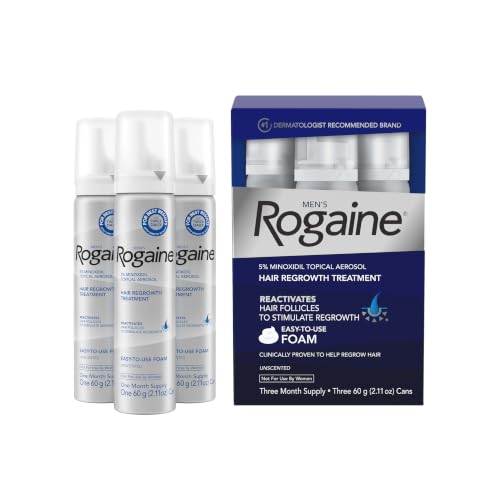
- 3-month supply: This men’s hair regrowth product is a hair growth foam that slows hair loss and promotes regrowth; incre…
- Proven regrowth: Rogaine foam Minoxidil for men is clinically proven to regrow hair and reduce the rate of hair loss; Ro…
- Scalp-conditioning formula: A blend of botanical extracts and nourishing emollients that help condition your scalp and p…
Minoxidil is one of the better-supported topical treatments for certain forms of hereditary hair loss. Rogaine is a familiar US brand offering minoxidil products in formulations intended for different users.
What it may help with
- Supporting hair regrowth in suitable cases of pattern hair loss.
- Slowing further thinning while treatment remains effective.
- Helping maintain hair density with consistent, directed use.
Important limitations
Minoxidil is not a general-purpose treatment for every cause of shedding. It does not repair split ends or moisturize dry hair. Results vary, and improvement can take several months. Continued use is generally needed to maintain its benefits.
Follow the exact product label and ask a healthcare professional if you are unsure whether it is suitable for you. Seek advice before using it during pregnancy or breastfeeding. Stop and seek medical advice if you experience concerning symptoms or significant scalp irritation.
Best for: People with an appropriate form of pattern hair loss who want to consider an established topical treatment.
2. Nizoral Anti-Dandruff Shampoo — For Dandruff-Related Scalp Problems

- Controls Scalp Fungus: Nizoral shampoo is different because it doesn’t just address the symptoms, it gets right to the r…
- Dandruff Shampoo For Men and Women: The only over the counter dandruff shampoo with Ketoconazole 1%, a clinically proven…
- 10X More Effective: The active ingredient in Nizoral is 10X more effective at killing scalp fungus, the primary cause of…
Nizoral products containing ketoconazole are intended to treat dandruff associated with certain scalp conditions. The active ingredient and permitted uses vary by product and market.
Potential benefits
- Helps control dandruff when the product is appropriate for the condition.
- Can help relieve some dandruff-related itching and flaking.
- Addresses a scalp concern rather than simply coating the hair.
What to know before buying
Nizoral is not a universal hair growth shampoo. Improvement in dandruff does not automatically mean that hereditary hair loss will improve. Some people may experience dryness or irritation, so follow the label and avoid using it more frequently than directed.
Best for: People whose scalp symptoms suggest dandruff and who need an appropriate anti-dandruff treatment.
3. A Gentle Moisturizing Shampoo — For Dry Hair
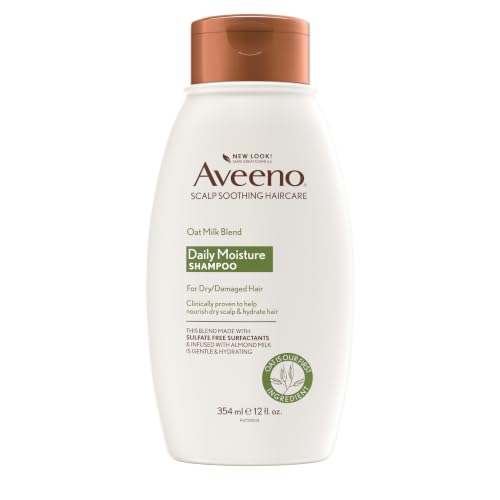
- SOFT AND NOURISHED: This ultra-hydrating shampoo features a unique formula infused with natural oat and almond milk to g…
- BALANCED CLEANSING: Made with balanced blends of wholesome ingredients, this moisturizing shampoo helps soothe your scal…
- NATURALLY GOOD: Free from sulfates, parabens and dyes, Aveeno Oat Milk Blend Shampoo gently nourishes your scalp. It is …
A gentle shampoo is a practical starting point if your hair feels rough, tangled, or dry after washing.
Choose a formula that cleans your scalp without leaving your hair feeling excessively stripped. Ingredients such as glycerin and conditioning agents may help improve how hair feels and behaves.
Look for:
- A formula suited to your scalp type.
- Mild cleansing agents if harsh cleansing worsens dryness.
- A fragrance-free option if fragrances irritate your scalp.
- Clear directions for your hair texture and washing needs.
Sulfate-free products can be helpful for some people, but sulfates are not automatically harmful to everyone. Your hair type, scalp condition, and the complete formula matter more than one ingredient alone.
Best for: People with dry lengths, frequent tangling, or hair that feels rough after washing.
4. A Moisturizing Conditioner — For Weak and Brittle Strands

- Hydrating Conditioner: A professional salon conditioner formulated with Argan Oil, a plant oil that hydrates and moistur…
- Benefits: Provides hydration and softness for all dry hair types in need of moisture and nourishment. Replenishes moistu…
- Additional Benefits: This professional product provides 15x more conditioning and moisture when used with the complete A…
Conditioner is one of the most useful products for hair that breaks easily. It improves slip, reduces friction, and makes detangling easier.
Ingredients such as fatty alcohols, conditioning agents, silicones, and oils can help smooth the hair surface and reduce friction during grooming.
Potential benefits
- Easier detangling.
- Reduced friction during brushing.
- Softer and smoother hair.
- Improved manageability and less visible frizz.
Apply conditioner mainly to the lengths and ends if your scalp becomes oily easily. People with very dry or textured hair may benefit from applying it more generously where needed.
Best for: Dry, tangled, chemically treated, or fragile hair.
5. A Deep-Conditioning Hair Mask — For Damaged Hair

- This deeply penetrating, bond-building reparative mask delivers quenching moisture to dehydrated or dry hair without wei…
- KEY BENEFITS ✓ Replenishes dry and dehydrated hair ✓ Intensely smooths, softens, and conditions ✓ Strengthens and reduce…
- Clinically Proven 90% more conditioning, smoother, easier detangling 74% reduction in breakage 6X smoother hair
A hair mask can provide more intensive conditioning than a basic rinse-out product. It may be useful after coloring, frequent heat styling, or other treatments that leave hair rough and difficult to manage.
Look for conditioning ingredients suited to your needs, such as emollients, oils, and moisturizing agents. Some products also contain proteins or bond-supporting ingredients intended for damaged hair.
A mask can improve softness and reduce breakage associated with poor manageability, but it cannot reverse every form of structural damage.
How to use it: Follow the product directions, including the recommended application time and frequency. You may not need a mask every time you wash your hair.
Best for: Dry, brittle, or chemically treated hair that needs additional conditioning.
6. A Leave-In Conditioner or Detangling Serum — For Breakage Prevention
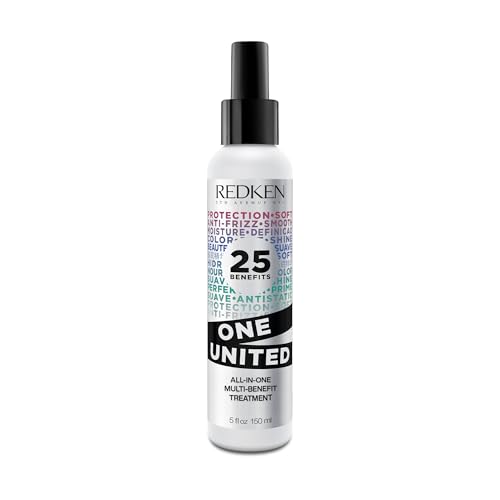
- Redken One United is a leave-in conditioner and heat protectant spray for all hair types and textures. This Multi-benefi…
- Sulfate free, paraben free and no heavy waxes for lightweight, instant results. Formulated with coconut oil to protect h…
- Leave in conditioner that instantly nourishes and detangles. Helps prevent heat damage and is safe for color-treated hai…
Leave-in conditioners and detangling products can help protect hair during everyday grooming. Some also provide heat protection, but only use a product for that purpose if its label specifically supports it.
What to look for
- Good slip for detangling.
- A lightweight formula for fine hair.
- Richer conditioning for coarse or textured hair.
- Heat protection when you use hot styling tools.
- Directions that suit your hair type.
Apply a small amount first and adjust as needed. Too much product can weigh down fine hair or create unwanted buildup.
Best for: People who experience tangling, rough ends, frizz, or breakage during brushing.
7. Rosemary Hair Oil — An Optional Scalp-Care Product

- Award-Winning Treatment – Our Rosemary Mint Scalp and Hair Oil is a nutrient-rich, intensive formula that blends biotin,…
- Suitable for All Hair Types & Textures – Powered by rosemary oil & biotin to help invigorate the scalp and enhance circu…
- Multifunctional Formula – As a dry scalp treatment, this formula infuses moisture into the scalp while supporting long-t…
Rosemary oil is popular in hair-care routines, but the evidence supporting hair regrowth is limited compared with established treatments such as minoxidil.
Essential oils can also cause irritation or allergic reactions, particularly when used undiluted.
If you choose a rosemary-based product, follow its directions, avoid applying concentrated essential oil directly to the scalp, and discontinue use if irritation develops.
Best for: People interested in an optional scalp-care product who understand that strong evidence for hair regrowth is lacking.
8. Coconut Oil — For Dry Hair and Reduced Protein Loss
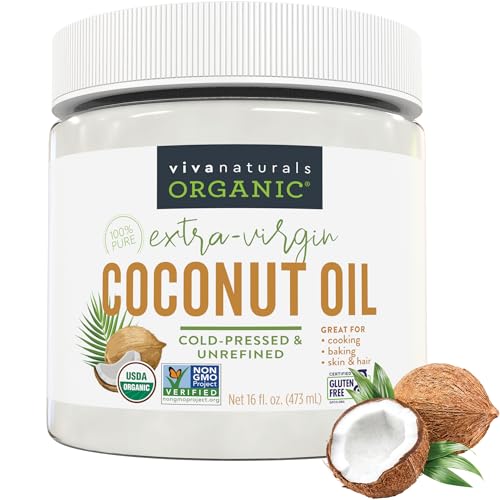
- NATURALLY NOURISHING COCONUT OIL FOR HAIR – With its unique combination of natural fats, coconut oil helps hydrate hair …
- HYDRATE NATURALLY WITH COCONUT OIL FOR SKIN – Coconut oil organic is a naturally moisturizing body oil that can help ski…
- COCONUT OIL FOR COOKING AND BAKING – An unrefined coconut oil with a naturally high smoke point (350°F), perfect cooking…
Coconut oil can help condition hair and has evidence supporting its ability to reduce protein loss from hair under certain conditions.
Its most practical use is improving hair care and reducing damage, not treating every cause of hair loss.
How to use it
- Start with a small amount on the lengths and ends.
- Adjust the amount to your hair thickness and texture.
- Wash it out if it leaves your hair heavy or greasy.
- Avoid applying it to an irritated scalp.
Best for: People with dry lengths who want an optional pre-wash conditioning treatment.
9. Biotin Supplements — Only When Appropriate

- Hair, skin, nail support supplement: contains one 120 count bottle of Nature Made Maximum Strength Biotin 5000 mcg Softg…
- This Biotin supplement supports hair health, skin health and nail health
- These Biotin vitamins for hair skin and nails also support energy metabolism(1), nervous system function and healthy agi…
Biotin is often marketed as a hair growth vitamin. However, high-quality evidence does not establish that biotin supplements improve hair growth in otherwise healthy people who are not deficient.
A supplement may be appropriate when a deficiency has been identified or a clinician recommends it for a specific reason.
High-dose biotin can interfere with certain laboratory tests, including tests used to assess thyroid function and cardiac problems. Tell your healthcare professional about any supplements you take before blood testing.
Best for: People whose nutritional needs have been assessed and who have a valid reason to take biotin.
10. A Targeted Hair Supplement — For Confirmed Nutritional Needs

- 1-MONTH SUPPLY: One (1) bottle of Nutrafol Women’s Balance Hair Growth Supplements for visibly thicker, fuller, stronger…
- FOR WOMEN AGES 45 AND UP: Physician-formulated supplement that improves hair growth for women ages 45 and older by targe…
- RESULTS IN 3-6 MONTHS: Take 4 capsules once daily for visible results. In a clinical study, 93% of women felt their hair…
Some supplements combine vitamins, minerals, amino acids, and other ingredients marketed for hair health. More ingredients do not automatically mean better results.
Before purchasing one, check the amounts of individual nutrients, potential interactions, warnings, and whether the formula addresses a genuine need.
Iron, zinc, vitamin D, and other nutrients may be relevant in particular circumstances, but taking them without a demonstrated need is not a substitute for diagnosing hair loss.
Best for: People who need nutritional support based on professional advice rather than advertising claims.
Hair Growth Products Comparison Table
| Product category | Main purpose | Evidence and limitations |
|---|---|---|
| Minoxidil | Certain types of pattern hair loss | Established treatment; results vary and require continued use |
| Anti-dandruff shampoo | Dandruff and selected scalp conditions | Useful when matched to the condition; not a universal regrowth treatment |
| Moisturizing shampoo | Gentle cleansing | Supports hair care, but does not treat most follicular causes of hair loss |
| Conditioner | Smoother hair and less friction | Useful for manageability and breakage prevention |
| Hair mask | Intensive conditioning | Improves hair feel; cannot restore all existing structural damage |
| Leave-in conditioner | Detangling and reduced friction | Helps protect fragile lengths during grooming |
| Rosemary oil | Optional scalp-care routine | Evidence for regrowth remains limited |
| Coconut oil | Conditioning and reduced protein loss | Primarily a hair-shaft care option |
| Biotin supplement | Correcting biotin deficiency | Not established as a general treatment for hair loss |
| Targeted supplements | Addressing identified nutritional needs | Best used when a specific need has been established |
How to Choose the Right Hair Growth Product
If Your Hair Is Dry
Prioritize a gentle shampoo, a moisturizing conditioner, and a leave-in product if needed.
Look for formulas that improve softness and reduce tangling. Avoid excessive heat and rough towel drying.
If Your Hair Breaks Easily
Focus on conditioning, gentle detangling, and reducing chemical or thermal damage.
A mask may help improve manageability, while a leave-in conditioner can make brushing easier. These products support the hair shaft but do not necessarily stimulate new growth.
If Your Hair Is Gradually Thinning
Consider whether the pattern suggests hereditary hair loss. A clinician can help identify the cause and discuss treatments such as minoxidil where appropriate.
Do not rely on a shampoo, oil, or supplement alone if thinning is progressing.
If You Have Dandruff or Scalp Itching
Choose a treatment designed for the actual scalp problem. Avoid aggressive exfoliation and multiple essential oils, especially if your scalp is already irritated.
Persistent redness, pain, scaling, or hair loss in patches warrants professional assessment.
If You Suspect a Nutritional Deficiency
Review your diet, medical history, and symptoms with a healthcare professional. Testing may be appropriate depending on your circumstances.
Avoid buying several high-dose supplements based only on hair loss advertisements.
A Practical Hair Care Routine
A simple routine is usually easier to maintain than a collection of overlapping products.
Step 1: Cleanse according to your needs. Wash when your scalp requires it. There is no single ideal washing frequency for everyone.
Step 2: Condition after shampooing. Concentrate on the lengths and ends if your scalp does not need extra conditioning.
Step 3: Detangle gently. Use a suitable comb or brush and work through knots carefully, especially when hair is wet and fragile.
Step 4: Protect against heat. Reduce the frequency of hot styling tools, use the lowest effective temperature, and apply a suitable heat protectant when needed.
Step 5: Add targeted treatments only when appropriate. Use medicated scalp products or hair-loss treatments according to their labels and professional guidance.
Step 6: Review progress realistically. Track changes over time rather than changing several products every few days. Hair growth and recovery take time, and cosmetic improvement is not the same as new hair growth.
Foods That Support Healthy Hair
Hair requires adequate energy, protein, and essential nutrients. A balanced diet can support normal hair growth, although no individual food guarantees thicker hair.
Useful food choices include:
- Eggs and dairy products for protein and other nutrients.
- Fish, beans, lentils, and lean meats for protein.
- Nuts and seeds for healthy fats and selected minerals.
- Leafy green vegetables for folate and other micronutrients.
- A varied selection of fruit and vegetables for overall nutritional quality.
Avoid extreme calorie restriction. If you have ongoing shedding, significant dietary restrictions, or symptoms that suggest a deficiency, discuss them with a qualified healthcare professional.
Common Hair Growth Product Mistakes
Expecting Shampoo to Regrow Hair
Most shampoos are designed to clean the scalp and hair. They should not be treated as equivalent to established hair-loss medication.
Taking Supplements Without Checking Your Needs
High doses of some nutrients can be harmful, and certain supplements can interfere with medical testing.
Applying Essential Oils Undiluted
Concentrated essential oils can irritate the scalp. Use products as directed and stop if you develop a reaction.
Using Too Many Products at Once
Layering multiple serums, oils, and scalp treatments makes it harder to identify what helps or causes irritation.
Ignoring Persistent Hair Loss
Sudden shedding, bald patches, scalp pain, or progressive thinning may need diagnosis rather than another cosmetic product.
When Should You See a Dermatologist?
Consider seeking professional assessment if you notice:
- Sudden or unusually heavy shedding.
- Bald patches or rapid changes in hair density.
- Pain, inflammation, or persistent itching of the scalp.
- Hair loss accompanied by other unexplained symptoms.
- Progressive thinning despite a consistent routine.
- Hair loss after starting a medicine or experiencing a major health change.
A dermatologist can examine your scalp, review potential triggers, and determine whether tests or targeted treatment are appropriate.
Frequently Asked Questions
1. What are the best hair growth products for dry, weak, and falling hair?
The best products depend on the problem. Moisturizing conditioners and leave-in treatments can help reduce breakage, while minoxidil may help certain types of hereditary hair loss. Scalp treatments and supplements should be selected according to the underlying cause.
2. Which product is best for hereditary hair thinning?
Topical minoxidil is an established option for suitable cases of hereditary hair loss. Follow the exact product directions and seek professional advice if you are unsure whether it is appropriate for you.
3. Can shampoo stop hair fall?
A shampoo may help address dandruff or improve hair manageability, but most shampoos do not treat the underlying cause of hereditary or medical hair loss.
4. Is rosemary oil proven to regrow hair?
Evidence remains limited. Rosemary oil should not be considered equivalent to a treatment with stronger clinical support. Essential oils may also irritate the scalp.
5. Does biotin help hair growth?
Biotin can help when a genuine deficiency is present, but evidence does not support routine high-dose supplementation for everyone with hair loss. High doses may interfere with certain laboratory tests.
6. How long does minoxidil take to work?
Results vary by product and individual. Meaningful improvement can take several months, and the American Academy of Dermatology notes that some users may need around six to twelve months to see regrowth. Continued use is generally required to maintain benefits.
7. Can conditioner reduce hair fall?
Conditioner can reduce friction, tangling, and breakage. It does not necessarily prevent hairs from shedding at the follicle, so persistent hair loss may require a different approach.
8. Is coconut oil good for dry hair?
Coconut oil may help reduce protein loss from hair and improve conditioning. It is mainly useful for hair-shaft care rather than as a proven treatment for hereditary hair loss.
9. Which vitamin deficiency causes hair loss?
Several nutritional problems may contribute to hair loss, including insufficient iron or other nutrients in appropriate circumstances. The cause cannot be determined from hair shedding alone; a healthcare professional can decide whether evaluation or testing is needed.
10. Can stress cause hair shedding?
Yes. Significant physical or emotional stress can trigger temporary shedding in some people. The timing, severity, and duration vary, and persistent shedding should be assessed rather than automatically attributed to stress.
11. Can damaged hair become healthy again?
Hair can often become smoother and easier to manage as new growth emerges and further damage is reduced. Existing damaged lengths cannot be biologically restored to their original state, although conditioning products can improve their appearance and handling.
12. Should I use hair oils every day?
Not necessarily. Frequency depends on your hair type, scalp condition, and the product. Excessive oiling can leave some hair greasy or aggravate irritation. Start with a small amount and adjust according to your needs.
Final Verdict: Which Hair Growth Products Are Worth Considering?
For dry and weak hair, start with a gentle shampoo, a good conditioner, and careful styling habits. These measures can improve manageability and reduce avoidable breakage.
For dandruff, choose an appropriate scalp treatment. For progressive thinning, consider professional assessment and evidence-supported treatments such as minoxidil when suitable. Supplements should address a genuine nutritional need rather than promise universal hair growth.
The most effective routine is the one that addresses the actual cause of your hair problem, uses products appropriately, and avoids unnecessary spending. Compare ingredients, instructions, limitations, and suitability before buying, and consult a healthcare professional when hair loss is sudden, severe, or persistent.
Affiliate disclosure: LifeCareBalance may earn a commission from qualifying purchases made through affiliate links, at no additional cost to the buyer. Product availability and prices can change, so check current retailer listings before purchasing.
Trusted External Resources
- American Academy of Dermatology — Hair Loss Diagnosis and Treatment
- American Academy of Dermatology — Tips for Managing Hair Loss
- American Academy of Dermatology — Male Pattern Hair Loss Treatment
- PubMed — Biotin for Hair Loss: Teasing Out the Evidence
- NIH PubMed Central — Diet and Hair Loss: Effects of Nutrient Deficiency and Supplement Use