
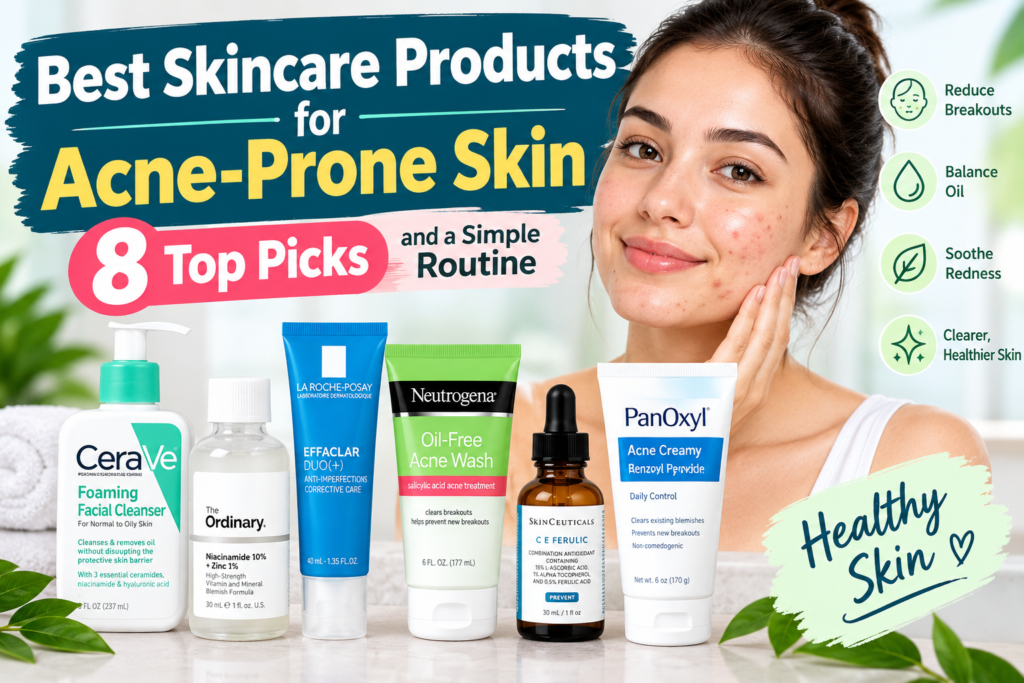
Discover the best skincare products for acne-prone skin in 2026, including acne cleansers, treatments, moisturizers, and sunscreens for a simple skincare routine.
LifeCareBalance.com is reader-supported. When you buy through links on our site, we may earn an affiliate commission at no extra cost to you. As an Amazon Associate, we earn from qualifying purchases.
Finding the best skincare products for acne-prone skin can be challenging. Blackheads, whiteheads, inflamed pimples, excess oil, and post-acne dark spots often require different approaches. Choosing too many products at once can also irritate the skin and make it harder to determine which ingredients are helping.
The good news is that an effective acne skincare routine does not need to be complicated. A gentle cleanser, an appropriate acne treatment, a lightweight moisturizer, and daily sunscreen can provide a practical foundation for healthier-looking skin.
In this guide, we compare eight skincare products for acne-prone skin, explain their key benefits and limitations, and show you how to choose products based on your skin type, budget, and primary concerns.
Quick Answer: The best skincare products for acne-prone skin depend on your symptoms. Salicylic acid can help with clogged pores and blackheads, benzoyl peroxide can help treat inflammatory acne, and adapalene can help prevent recurring breakouts. A suitable moisturizer and broad-spectrum sunscreen are also important parts of a balanced routine.
Understanding Acne-Prone Skin
Acne develops when hair follicles become clogged with oil and dead skin cells. Inflammation and the activity of acne-associated bacteria can contribute to the development of pimples.
Several factors may influence breakouts, including hormonal changes, genetics, certain medications, and the use of irritating or unsuitable skincare products.
Acne-prone skin can also be oily, dry, combination, or sensitive. This is why the best routine is not necessarily the one with the most active ingredients. It is the one that addresses your main concerns without unnecessarily damaging the skin barrier.
Common acne concerns include:
- Blackheads and whiteheads caused by clogged pores.
- Inflamed pimples that appear red, swollen, or tender.
- Excess oil and persistent shine.
- Dryness or irritation from acne treatments.
- Dark marks that remain after breakouts.
- Textural changes or permanent acne scars.
If you experience deep, painful acne or developing scars, consult a dermatologist rather than relying exclusively on over-the-counter products.
Best Skincare Products for Acne-Prone Skin
1. CeraVe Acne Foaming Cream Cleanser — Best for Inflamed Pimples
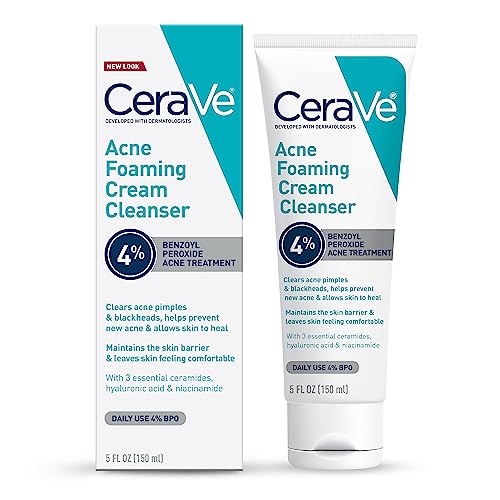
- [ ACNE FACE WASH WITH BENZOYL PEROXIDE ] This benzoyl peroxide acne treatment face wash clears acne, pimples, whiteheads…
- [ CREAM TO FOAM ACNE CLEANSER ] This facial cleanser starts as a creamy texture and foams upon lathering, removing dirt …
- [ HYDRATING ACNE WASH ] Formulated with hyaluronic acid and niacinamide, this gentle acne wash retains moisture and calm…
CeraVe Acne Foaming Cream Cleanser contains 4% benzoyl peroxide, an established acne-fighting ingredient that helps reduce acne-causing bacteria and inflammatory breakouts.
Key benefits:
- Helps treat inflammatory acne.
- Cleanses excess oil and everyday impurities.
- Contains moisturizing ingredients intended to support skin comfort.
- Offers a wash-off treatment option for acne-prone skin.
Potential drawbacks: Benzoyl peroxide can cause dryness, peeling, redness, or irritation. It can also bleach towels, pillowcases, and clothing.
Best for: People with oily or acne-prone skin who want a benzoyl peroxide cleanser.
How to use it: Follow the product label and introduce it cautiously, especially if you already use other acne treatments.
2. Neutrogena Oil-Free Acne Wash — Best for Oily Skin and Blackheads
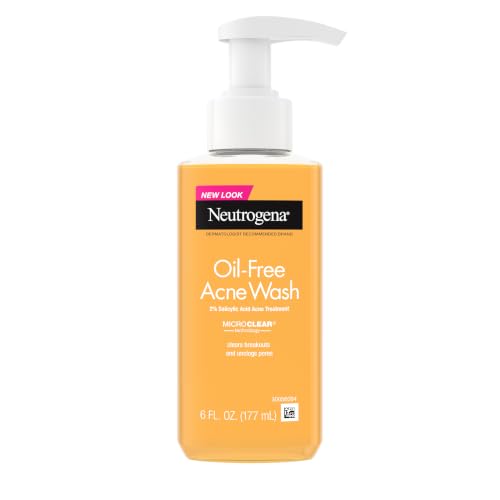
- One, 6 fl oz bottle of Neutrogena Oil-Free Acne Wash facial cleanser, a must-have for a regular acne-prone skin care rou…
- With scientifically proven MicroClear technology, this face cleanser enhances the delivery of the acne medication, ensur…
- This acne control cleanser eliminates oil and unclogs pores while its medicine treats existing breakouts. The oil-free f…
Neutrogena Oil-Free Acne Wash is a salicylic acid cleanser designed to help address clogged pores and excess oil. Salicylic acid is a beta-hydroxy acid that helps loosen the buildup of dead skin cells inside pores.
Key benefits:
- Helps address blackheads and clogged pores.
- Removes excess oil and everyday impurities.
- Provides an alternative to a leave-on exfoliating treatment.
- Fits into a routine designed for oily skin.
Potential drawbacks: Salicylic acid can cause dryness or irritation, particularly when combined with other exfoliants or acne medications.
Best for: People whose main concerns are oily skin, blackheads, and clogged pores.
How to use it: Follow the directions on the current product label. If your skin becomes tight, flaky, or irritated, reduce use or switch to a gentle cleanser.
3. Differin Gel 0.1% Adapalene — Best for Recurring Acne
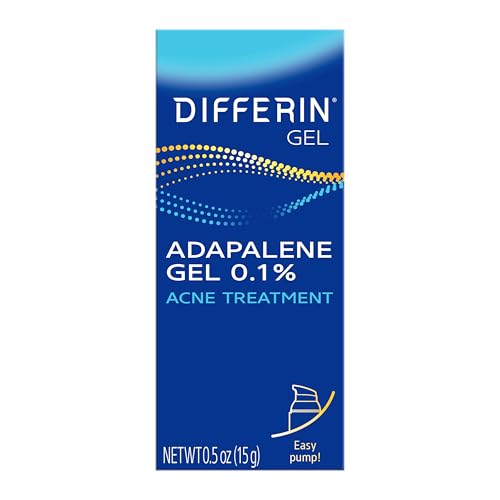
- TARGETS ACNE: Clear and prevent acne with the first FDA-approved prescription strength over-the-counter acne retinoid
- CLEARS, TREATS & PREVENTS :Differin works differently than other Acne treatments by normalizing skin cell turnover and e…
- RX STRENGTH ACNE RETINOID: Adapalene was created for superior tolerability compared to other prescription retinoid produ…
Differin Gel contains adapalene, a topical retinoid used to treat acne. It helps normalize the process of skin-cell turnover and prevent pores from becoming clogged.
Unlike a spot treatment that is applied only to an individual pimple, adapalene is generally used across the acne-prone area according to product directions.
Key benefits:
- Helps prevent clogged pores.
- Treats blackheads, whiteheads, and certain inflammatory acne lesions.
- Can help reduce recurring breakouts over time.
- Offers an established over-the-counter treatment option in the United States.
Potential drawbacks: Dryness, redness, peeling, and stinging may occur, especially during the first few weeks.
Best for: People who experience persistent clogged pores and recurring acne.
How to use it: Follow the label instructions and introduce it gradually if needed. Avoid combining it with multiple strong exfoliants when first starting treatment.
Do not use adapalene during pregnancy or when trying to become pregnant unless specifically advised by an appropriate healthcare professional.
4. The Ordinary Niacinamide 10% + Zinc 1% — Best Supporting Serum
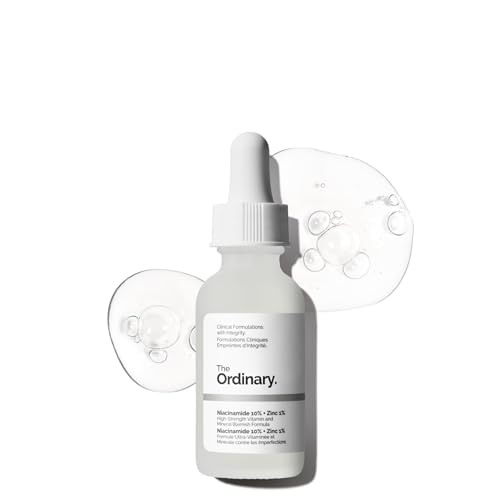
- BOOSTS BRIGHTNESS & SMOOTHNESS: Niacinamide 10% + Zinc 1% visibly improves skin radiance and smooths texture in one week…
- HYDRATING FORMULA: Lightweight water-based serum that reinforces the skin barrier and provides hydration in as little as…
- CONTAINS NIACINAMIDE & ZINC PCA: High 10% concentration of Niacinamide (Vitamin B3) and 1% Zinc PCA to help control oil …
The Ordinary Niacinamide 10% + Zinc 1% is a lightweight serum designed to support the appearance of smoother skin and reduce visible oiliness.
Niacinamide, a form of vitamin B3, is commonly used in skincare products because it can support the skin barrier and help improve the appearance of uneven skin tone.
Key benefits:
- May help reduce the appearance of excess oil.
- Adds a lightweight serum step.
- Can complement a basic moisturizer and sunscreen routine.
- May help improve the appearance of uneven skin texture.
Potential drawbacks: A 10% concentration may irritate some people. Niacinamide is not a substitute for established acne medications when persistent acne requires targeted treatment.
Best for: People who want an optional supporting serum for oily or combination skin.
How to use it: Apply according to the product directions and patch-test before regular use. Stop if persistent irritation develops.
5. CeraVe PM Facial Moisturizing Lotion — Best Lightweight Moisturizer

Moisturizer is an important part of an acne skincare routine, especially when treatments cause dryness or irritation.
CeraVe PM Facial Moisturizing Lotion contains ceramides and niacinamide and is designed for everyday facial hydration.
Key benefits:
- Helps support the skin’s moisture barrier.
- Provides lightweight hydration.
- Can complement acne treatments that cause dryness.
- Works as a daily moisturizer for many normal-to-oily skin types.
Potential drawbacks: No moisturizer suits everyone. Individual reactions can vary, even with products designed for acne-prone skin.
Best for: People who need daily hydration without a heavy-feeling cream.
How to use it: Apply after cleansing and treatment. Look for non-comedogenic products when possible, particularly if you frequently experience clogged pores.
6. EltaMD UV Clear Broad-Spectrum SPF 46 — Best Facial Sunscreen
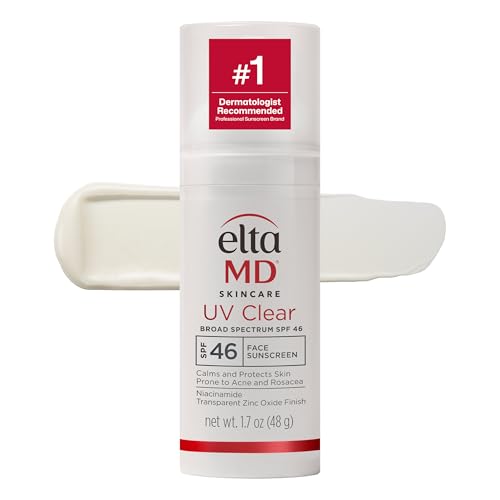
- CLEAR SUNSCREEN FOR FACE: This lightweight face sunscreen with transparent Zinc Oxide provides broad spectrum SPF 46 pro…
- FOR NORMAL, ACNE-PRONE, AND SENSITIVE SKIN TYPES: UV Clear uses an oil-free, non-comedogenic formula that’s designed for…
- SUITABLE FOR HYPERPIGMENTED SKIN: Contains Niacinamide which helps to visibly improve skin tone and reduce the appearanc…
Daily sun protection is important for everyone, including people with acne-prone skin. Ultraviolet exposure can worsen the appearance of post-acne discoloration, while some acne treatments can increase skin irritation or sensitivity.
EltaMD UV Clear Broad-Spectrum SPF 46 is a facial sunscreen marketed for acne-prone and sensitive skin.
Key benefits:
- Provides broad-spectrum SPF 46 protection.
- Is designed for daily facial use.
- Can complement routines containing acne treatments.
- Helps protect skin from ultraviolet damage.
Potential drawbacks: It is a premium-priced option, and the texture, finish, tint, and feel may not suit everyone.
Best for: People seeking a facial sunscreen specifically marketed for acne-prone skin.
How to use it: Apply generously as directed and reapply according to the product label. If this sunscreen does not suit your budget or skin, choose another broad-spectrum sunscreen with SPF 30 or higher.
7. Paula’s Choice Skin Perfecting 2% BHA Liquid Exfoliant — Best for Blackheads

- GENTLE NON-ABRASIVE LEAVE-ON EXFOLIANT: With 2% BHA (Beta hydroxy acid), to unclog & diminish enlarged pores, exfoliate …
- Dramatically improves skin’s texture for radiant youthful even-toned skin. Beta hydroxy acid (BHA, also known as salicyl…
- HYDRATE, BRIGHTEN & SMOOTH FINE LINES: Our unique, non-abrasive, leave-on exfoliant is gentle enough for daily use on al…
Paula’s Choice Skin Perfecting 2% BHA Liquid Exfoliant is a leave-on salicylic acid product intended to help unclog pores and improve the appearance of rough skin texture.
Because it remains on the skin rather than being rinsed off immediately, it provides a different approach from a salicylic acid cleanser.
Key benefits:
- Helps address blackheads and clogged pores.
- May improve the appearance of uneven skin texture.
- Offers an optional exfoliating step.
- Can be used instead of another salicylic acid product when appropriate.
Potential drawbacks: It can cause dryness, redness, or peeling. Using it alongside several other active ingredients may increase irritation.
Best for: People whose main concerns are blackheads, pore congestion, and rough texture.
How to use it: Introduce it gradually according to the product directions. Avoid adding it at the same time as several new acne treatments.
8. CeraVe Foaming Facial Cleanser — Best Everyday Cleanser
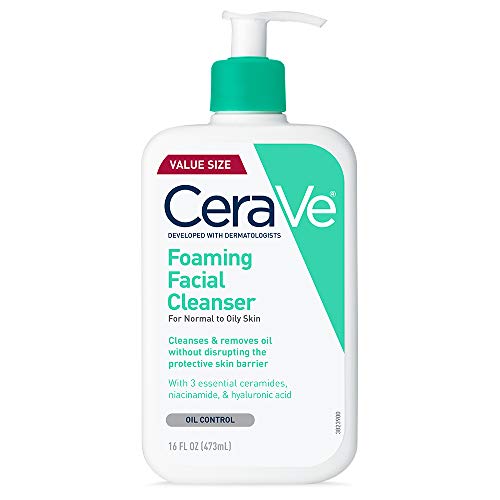
- [ FOAMING FACE WASH ] Dispenses as a clear gel cleanser and transforms into a foam as you lather. Cleanses without leavi…
- [NON- DRYING FACE CLEANSER] Fragrance-free, non-comedogenic, non-drying, and non-irritating. Gently refreshes and effect…
- [ MULTI-USE SKIN CARE ] Skin Cleanser for face and/or body and can be used as a hand wash. Suitable for daily cleansing …
Not every cleanser needs to contain an acne medication. A gentle everyday cleanser can be a better choice for people who already use a separate treatment or whose skin becomes irritated by medicated washes.
CeraVe Foaming Facial Cleanser is designed for normal-to-oily skin and helps remove excess oil, dirt, and everyday impurities.
Key benefits:
- Provides a basic cleansing step.
- Helps remove excess oil without relying on an acne medication as its main purpose.
- Can complement a separate acne treatment.
- Offers a practical option for a simple routine.
Potential drawbacks: It does not replace a targeted acne treatment when one is needed.
Best for: People who want a daily cleanser and prefer to use a separate product for acne treatment.
How to use it: Cleanse gently according to the product directions and follow with a suitable moisturizer.
Comparison Table: Which Acne Product Should You Choose?
| Product | Best for | Main ingredient or feature |
|---|---|---|
| CeraVe Acne Foaming Cream Cleanser | Inflamed pimples | 4% benzoyl peroxide |
| Neutrogena Oil-Free Acne Wash | Oily skin and clogged pores | Salicylic acid; check current formula |
| Differin Gel 0.1% | Recurring acne and clogged pores | Adapalene |
| The Ordinary Niacinamide 10% + Zinc 1% | Supporting oil-control routine | Niacinamide and zinc |
| CeraVe PM Facial Moisturizing Lotion | Daily hydration | Ceramides and niacinamide |
| EltaMD UV Clear SPF 46 | Daily sun protection | Broad-spectrum sunscreen |
| Paula’s Choice 2% BHA Liquid Exfoliant | Blackheads and rough texture | 2% salicylic acid |
| CeraVe Foaming Facial Cleanser | Everyday cleansing | Gentle cleansing formula |
Product formulations and availability can change. Check the current manufacturer’s label before buying, particularly if you have sensitive skin or allergies.
Which Acne-Fighting Ingredients Actually Help?
Salicylic Acid
Salicylic acid helps loosen dead skin cells and buildup inside pores. It can be useful for blackheads and whiteheads, particularly when clogged pores are a primary concern.
It is available in cleansers and leave-on products. Choose one product to start with rather than automatically layering multiple salicylic acid treatments.
Benzoyl Peroxide
Benzoyl peroxide helps reduce acne-causing bacteria and can be effective for inflammatory acne. Lower concentrations may be sufficient for some people and may cause less irritation than stronger formulas.
It can dry the skin and bleach fabrics, so use it according to the label.
Adapalene
Adapalene is a topical retinoid that helps prevent clogged pores and treat acne. It is especially relevant for recurring breakouts rather than only treating individual pimples.
It may initially cause dryness or peeling. Avoid adapalene during pregnancy or when trying to conceive unless specifically directed by a healthcare professional.
Niacinamide
Niacinamide may help support the skin barrier and improve the appearance of oiliness and uneven skin tone. It can be a useful supporting ingredient, but it should not be presented as a replacement for established acne treatment.
Azelaic Acid
Azelaic acid is another ingredient worth considering for acne and post-acne discoloration. Depending on the formulation and concentration, it may help improve the appearance of uneven pigmentation while addressing certain acne concerns.
People with sensitive skin should introduce it carefully and seek professional advice if irritation develops.
Ceramides and Hyaluronic Acid
Ceramides help support the skin barrier, while hyaluronic acid helps attract and retain moisture. These ingredients can be useful in moisturizers for people whose skin becomes dry during acne treatment.
Hydration is important even when the skin produces excess oil.
The Best Morning Routine for Acne-Prone Skin
A consistent morning routine protects your skin and avoids unnecessary product layering.
Step 1: Cleanse gently.
Use a cleanser that removes excess oil without leaving your skin feeling tight or stripped. A gentle cleanser is often sufficient if you use an acne treatment at another time of day.
Step 2: Apply an optional serum.
If your skin tolerates niacinamide, you can include it as a supporting step. A serum is optional, not essential.
Step 3: Moisturize.
Use a lightweight moisturizer that suits your skin type. This is particularly important if your acne treatments cause dryness.
Step 4: Apply sunscreen.
Finish with a broad-spectrum sunscreen with SPF 30 or higher. Apply generously and reapply according to the label, especially during prolonged outdoor exposure.
The Best Evening Routine for Acne-Prone Skin
Step 1: Remove makeup and sunscreen.
Cleanse gently to remove makeup, sunscreen, oil, and everyday impurities.
Step 2: Use one appropriate acne treatment.
Choose a treatment based on your main concern. For example, adapalene may suit recurring clogged pores, while benzoyl peroxide may help inflammatory acne.
Follow the product instructions. Do not automatically combine several active ingredients in the same routine.
Step 3: Apply moisturizer.
Use a moisturizer that supports the skin barrier and helps reduce dryness.
Step 4: Keep your routine consistent.
Avoid changing several products every few days. Give an appropriate treatment enough time to work, provided it does not cause significant irritation.
How to Choose Products for Your Skin Type
Oily Skin
Look for lightweight products that cleanse effectively without stripping your skin. Salicylic acid may be useful for clogged pores, but using it too frequently can still cause irritation.
Dry and Acne-Prone Skin
Prioritize a gentle cleanser and moisturizer. Introduce acne treatments cautiously, and avoid using multiple exfoliating products that may worsen dryness.
Sensitive Skin
Choose simple, fragrance-free products when possible. Introduce only one new treatment at a time and stop using products that cause persistent burning, swelling, or redness.
Combination Skin
You may need lightweight hydration and targeted acne treatment rather than strong products across your entire face. Avoid treating normal or dry areas unnecessarily.
Skin Prone to Dark Marks
Use daily sunscreen and focus on preventing new breakouts. Ingredients such as azelaic acid may help improve the appearance of discoloration, but deep or indented acne scars often require professional treatment.
Common Acne Skincare Mistakes to Avoid
Overwashing your face: Excessive cleansing can irritate the skin and worsen dryness. Cleanse gently according to your routine and product directions.
Using too many active ingredients: Combining several strong treatments immediately can cause redness, peeling, and discomfort.
Skipping moisturizer: A suitable moisturizer can help support the skin barrier and improve treatment tolerance.
Picking pimples: Picking or squeezing acne increases the risk of inflammation, dark marks, and scarring.
Ignoring sunscreen: Sun exposure can worsen the appearance of post-acne discoloration.
Expecting overnight results: Acne treatment generally requires consistent use over several weeks.
Buying products based only on marketing claims: Consider active ingredients, directions, skin compatibility, price, and evidence rather than promises of instant results.
How Long Does It Take to See Results?
Many acne treatments need several weeks before improvements become noticeable. Some people begin to see fewer breakouts after approximately four to eight weeks, while more substantial improvement may take longer.
Results depend on the type and severity of acne, the product used, and how consistently it is applied.
Do not continue a product that causes a severe reaction simply to reach a particular timeline. Seek medical advice if irritation is persistent, acne is painful, or scarring develops.
When Should You See a Dermatologist?
Over-the-counter skincare products are not suitable for every case of acne.
Consider seeing a dermatologist if you experience:
- Deep, painful pimples or nodules.
- Acne that is leaving permanent scars.
- Persistent breakouts despite consistent treatment.
- Significant redness, swelling, or irritation from skincare products.
- Acne that is affecting your confidence or quality of life.
A dermatologist can assess your acne and recommend an appropriate treatment plan. People who are pregnant or trying to become pregnant should consult a healthcare professional before starting acne medication, especially topical retinoids.
Frequently Asked Questions
What is the best ingredient for acne-prone skin?
The best ingredient depends on your main concern. Salicylic acid can help with clogged pores, benzoyl peroxide can help with inflammatory acne, and adapalene can help prevent recurring clogged pores.
Can oily skin still need moisturizer?
Yes. Oily skin can still become dehydrated or irritated, especially when acne treatments are used. Choose a moisturizer that suits your skin and is labeled non-comedogenic when possible.
Should I use salicylic acid every day?
Not everyone needs daily salicylic acid. Follow the product directions and start cautiously if you have sensitive skin or already use another acne treatment.
Can I use benzoyl peroxide and adapalene together?
These ingredients can be used together in some acne treatment plans, but the combination may increase irritation. Introduce treatments carefully and consult a healthcare professional if you are unsure how to combine them.
Does niacinamide clear acne?
Niacinamide may complement an acne routine, but it is not a guaranteed stand-alone treatment for persistent acne. Choose treatments based on your symptoms and the available evidence.
What sunscreen is best for acne-prone skin?
Choose a comfortable, broad-spectrum sunscreen with SPF 30 or higher. EltaMD UV Clear SPF 46 is one option, but other suitable sunscreens may work just as well for your needs and budget.
Can skincare products remove acne scars?
Some products may help improve the appearance of dark marks and uneven texture. However, indented or raised acne scars often need professional treatments. Dark marks and permanent scars should not be treated as the same concern.
How many products should I use for acne-prone skin?
Start with a gentle cleanser, one suitable acne treatment, a moisturizer, and sunscreen. Add other products only when they address a specific need.
Final Verdict
The best skincare products for acne-prone skin are those that target your main concern without unnecessarily irritating your skin. CeraVe Acne Foaming Cream Cleanser may suit people looking for a benzoyl peroxide cleanser, Differin Gel 0.1% is an option for recurring acne, and salicylic acid products may help with blackheads and clogged pores.
A suitable moisturizer and daily sunscreen complete the foundation of a balanced routine. You do not need to buy every product in this guide to improve your skincare routine.
Choose products carefully, introduce treatments gradually, and allow adequate time for results. If acne is painful, persistent, or causing scars, consult a dermatologist for individualized treatment advice.
Trusted Resources for Acne-Prone Skin
- American Academy of Dermatology: Acne Diagnosis and Treatment
- American Academy of Dermatology: Acne Skin-Care Tips
- American Academy of Dermatology: Moisturizer for Acne-Prone Skin
- American Academy of Dermatology: Adult Acne Treatment
- American Academy of Dermatology: Acne Scars and Skin Care
Related LifeCareBalance Articles
- LifeCareBalance Home
- LED Face Masks for Acne in 2026
- Best LED Face Masks in 2026
- LED Face Mask Review 2026
- Personalized Wellness Guide
LifeCareBalance participates in affiliate marketing programs and may earn a commission from qualifying purchases at no additional cost to the reader. Always check current product labels, formulations, and prices before purchasing. This article is for informational purposes and does not replace professional medical advice.