
LifeCareBalance.com is reader-supported. When you buy through links on our site, we may earn an affiliate commission at no extra cost to you. As an Amazon Associate, we earn from qualifying purchases.
Stress can affect sleep, concentration, mood, energy levels, and overall well-being. In a busy lifestyle, people often look for convenient ways to support their mental wellness.
A healthy diet, regular physical activity, quality sleep, stress-management techniques, and professional support when needed remain important foundations of mental wellness. Some dietary supplements may provide additional nutritional support, but their effects can vary depending on the ingredient, dosage, individual needs, and overall health.
If you are also exploring products that support a broader wellness routine, see our guide to Best Health & Wellness Products 2026.
This guide reviews commonly used supplements for stress relief and mental wellness in 2026, explains what the available evidence suggests, and highlights what to consider before buying a supplement.
Important: Supplements are not a replacement for professional medical care or treatment for anxiety, depression, or other mental health conditions. If you have persistent or severe symptoms, speak with a qualified healthcare professional.
Why Consider Supplements for Stress and Mental Wellness?
Stress is a normal response to challenging situations. Occasional stress may be manageable, but ongoing stress can affect sleep, energy, concentration, and daily routines.
Nutrients such as magnesium, omega-3 fatty acids, and B vitamins are important for normal nervous-system and overall body functions. However, having an important nutritional role does not automatically mean that taking a supplement will treat stress, anxiety, or depression.
The purpose of supplementation should therefore be viewed as nutritional support, rather than a replacement for healthy habits or professional treatment.
Before choosing a product, consider your diet, lifestyle, existing medications, and whether you actually have a nutritional need for the supplement.
Best Supplements for Stress Relief and Mental Wellness in 2026
1. Ashwagandha – Commonly Used for Stress Support

- Vegan, Non-GMO, Gluten-free & Gelatin-free: Each bottle of Goli Ashwagandha contains 60 delicious vegan, non-gmo, gluten…
- America’s #1 Ashwagandha Vitamin Brand! (Source: SPINS MULO (powered by IRI) 52 weeks ending 2/20/22.)
- KSM-66 Ashwagandha Gummies. Ashwagandha is an herb that provides an array of benefits. Goli Ashwa Gummies use KSM-66 Ash…
Ashwagandha is an herbal ingredient traditionally used in Ayurvedic practices and is now widely available in dietary supplements.
Some clinical studies have investigated standardized ashwagandha preparations for perceived stress, sleep, and related outcomes. Results vary between studies and products, so the evidence should not be interpreted as proof that every ashwagandha supplement will provide the same effects.
What Research Suggests
Research has examined ashwagandha for:
- Perceived stress
- Sleep
- Stress-related well-being
- Cortisol levels in some studies
The evidence for anxiety is less certain, and different extracts and formulations have been studied.
For a more detailed overview of the available evidence and safety considerations, see the NCCIH Ashwagandha Information.
What to Look For
When shopping for an ashwagandha supplement, check:
- The exact extract or formulation
- Amount per serving
- Standardization information when available
- Third-party quality testing
- Complete ingredient labeling
Some products use branded extracts such as KSM-66 or Sensoril, but the presence of a branded ingredient does not automatically guarantee that a product is right for everyone.
Safety Considerations
Ashwagandha may not be appropriate for everyone and can interact with certain medications or health conditions. Discuss its use with a healthcare professional if you take medication, are pregnant or breastfeeding, or have an underlying medical condition.
2. Magnesium – A Key Mineral for Normal Nervous-System Function

- Heart Health Supplements: This magnesium glycinate capsule activates the enzymes necessary for neuromuscular contraction…
- Energy & Bone Support: Magnesium supports metabolism of carbs and amino acids; supports energy production and use of cal…
- Overall Health & Nutrient Metabolism: This magnesium glycinate supplement helps the metabolism and utilization of vitami…
Magnesium is an essential mineral involved in hundreds of biochemical reactions in the body. It also contributes to normal muscle and nervous-system function.
Because of its nutritional role, magnesium is frequently included in products marketed for relaxation and sleep support.
Potential Benefits of Adequate Magnesium
Magnesium supports:
- Normal nerve function
- Normal muscle function
- Energy metabolism
- Normal electrolyte balance
- Bone health
People who do not get enough magnesium from their diet may benefit from improving their overall intake.
For detailed information about magnesium, dietary sources, supplementation, and safety, see the NIH Magnesium Fact Sheet.
Common Magnesium Forms
You may see several forms on supplement labels, including:
- Magnesium glycinate
- Magnesium citrate
- Magnesium oxide
- Magnesium chloride
- Magnesium L-threonate
Different forms provide different amounts of elemental magnesium and may have different tolerability.
Buying Tip
Do not choose a magnesium supplement simply because the front label says it is the “best” form. Compare the amount of elemental magnesium, serving size, ingredients, and quality testing.
High supplemental magnesium intake can cause digestive problems such as diarrhea, nausea, and abdominal cramping.
3. L-Theanine – Often Used for Relaxation and Calm Focus

- 120 Capsules of L-Theanine Per Bottle
- 200mg L-Theanine Per Serving (120 Servings)
- Easy To Take Capsules
L-theanine is an amino acid naturally found in tea, particularly green tea.
It is commonly used in supplements marketed for relaxation and calm focus. Some research has explored its effects on stress, attention, and relaxation, although individual responses can vary.
Why People Use L-Theanine
People commonly choose L-theanine supplements for:
- Relaxation
- Calm focus
- Supporting concentration
- Complementing caffeine
Because L-theanine is also naturally present in tea, it is often included in products designed around focus and daily mental performance.
What to Consider Before Buying
Look for:
- Clearly stated dosage
- Simple ingredient labeling
- Third-party testing when available
- Minimal unnecessary additives
If you are taking medications or have a medical condition, discuss supplement use with a healthcare professional.
4. Omega-3 Fatty Acids – Nutritional Support for Brain and Overall Health

- WHY OMEGA-3s – Research shows that the essential fatty acids EPA & DHA in fish oil support heart, brain, eye function.*
- #1 SELLING OMEGA-3 BRAND IN THE U.S* – Nordic Naturals Ultimate Omega features high concentration omega-3 fish oil in so…
- BETTER ABSORPTION, BETTER TASTE, NO FISHY BURPS – All of our omega-3 fish oil concentrates are in the triglyceride molec…
Omega-3 fatty acids include EPA and DHA, which are found primarily in fatty fish and certain seafood.
Omega-3s play important roles in normal cell function and are especially relevant to cardiovascular and overall health.
Researchers have also studied omega-3 supplementation in relation to mood and depression, but results have not been consistent enough to treat omega-3 supplements as a replacement for established mental-health treatment.
For detailed information about EPA, DHA, dietary sources, and supplement considerations, see the NIH Omega-3 Fatty Acids Fact Sheet.
What to Look For
When shopping for an omega-3 supplement, check:
- EPA amount
- DHA amount
- Total omega-3 content
- Serving size
- Purity and quality testing
- Whether the product provides clear sourcing information
Fish oil is not the only option. Algal oil can provide DHA and, depending on the product, EPA as well.
Important Safety Note
People who take medications that affect blood clotting should speak with a healthcare professional before using high-dose omega-3 supplements.
5. Rhodiola Rosea – Commonly Marketed for Stress and Fatigue

- 3% STANDARDIZED EXTRACT: NOW Rhodiola is standardized to 3% total rosavins and 1% salidroside
- HISTORICAL USE: Rhodiola is indigenous to the Arctic and Alpine regions of Europe, Asia, and America and has long been u…
- ADAPTOGENIC HERB*: Rhodiola is generally known as an adaptogen, a term which refers to any agent possessing the ability …
Rhodiola rosea is an herbal supplement commonly marketed for stress, fatigue, and mental performance.
Although research has investigated rhodiola for several potential uses, the available evidence is not strong enough to establish it as an effective treatment for a specific health condition.
Why People Consider It
Rhodiola products are often marketed toward people looking for support with:
- Everyday stress
- Mental fatigue
- Physical fatigue
- General energy
However, marketing claims can be stronger than the available evidence.
Buying Tip
If you choose a rhodiola supplement, check the standardized extract information, serving size, ingredient transparency, and third-party quality testing.
6. Vitamin B Complex – Important for Normal Energy Metabolism

- Helps convert food into energy; Solgar B-Complex 100 Vegetable Capsules provide the B Complex vitamins your body needs f…
- Supports Cardiovascular And Nervous System Health; Just one capsule a day with a meal helps provide the recommended dose…
- A vegan friendly way to get vitamin B complex; Solgar “100” is specially formulated to be suitable for vegetarian and ve…
B vitamins include several different nutrients that help the body perform essential functions.
Depending on the specific vitamin, B vitamins contribute to:
- Normal energy metabolism
- Nervous-system function
- Red blood cell formation
- Normal cell metabolism
A B-complex supplement may be useful when dietary intake is inadequate or when a healthcare professional recommends supplementation.
However, taking more does not necessarily provide more benefit. Some B vitamins can cause problems when consumed in excessive amounts over time.
What to Look For
Choose products that clearly list:
- Each B vitamin
- Amount per serving
- Serving size
- Other active ingredients
- Quality or third-party testing information
7. Vitamin D – Important When Intake or Levels Are Low
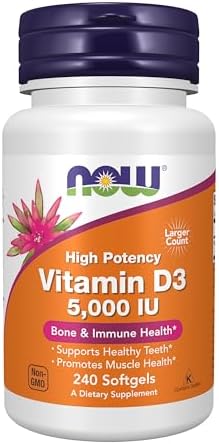
- HIGH POTENCY/SUNSHINE VITAMIN: Highly-absorbable liquid softgel form of vitamin D3
- VITAMIN D: Supports healthy immune system function and is essential for achieving and maintaining optimal bone mineral d…
- CERTIFICATIONS/CLASSIFICATIONS: Corn Free, Dairy Free, Egg Free, Halal, Kosher Contains Gelatin, Made without Gluten, No…
Vitamin D is important for bone health, immune function, and several other normal body processes.
Vitamin D status can vary based on factors such as sun exposure, diet, age, and other individual circumstances.
Although vitamin D has been studied in relation to mood and depression, a supplement should not be presented as a direct treatment for depression.
For detailed information about vitamin D, dietary sources, recommended intake, and supplementation, see the NIH Vitamin D Fact Sheet.
Who May Need to Pay Attention to Vitamin D?
People with limited sun exposure or inadequate dietary intake may have a higher risk of low vitamin D.
A healthcare professional can determine whether testing or supplementation is appropriate.
Buying Tip
Check the amount of vitamin D per serving and avoid taking unnecessarily high doses without professional guidance.
8. Lion’s Mane Mushroom – An Emerging Ingredient for Cognitive Wellness
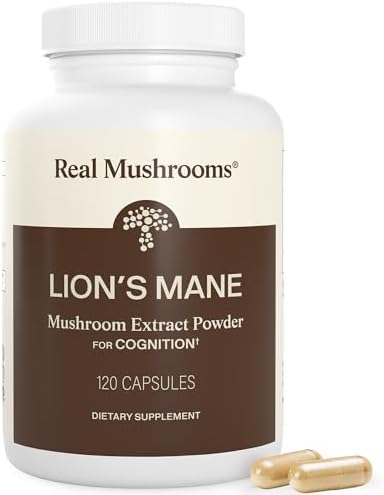
- Lion’s Mane Capsules for Brain & Immune Support: Made using hand-picked Lion’s Mane mushroom extract, our supplement pro…
- Organic Mushroom Extract: Our mushroom capsules are only made from 100% mushrooms (fruiting bodies), not mycelium grown …
- Measured Beta-Glucans: Verified by 3rd-party labs, our organic mushroom supplement has >30% beta-glucans per capsule, he…
Lion’s mane mushroom is a functional mushroom that has become increasingly popular in wellness supplements.
It is commonly marketed for memory, focus, nerve health, and cognitive wellness. Early research has explored several of these areas, but more high-quality human research is needed before strong conclusions can be made.
What to Look For
If you are considering lion’s mane, compare:
- Mushroom species
- Extract type
- Amount per serving
- Ingredient transparency
- Third-party testing
- Additional ingredients
Avoid products that make dramatic claims about preventing, reversing, or treating neurological conditions.
How to Choose a Stress Support Supplement
Choosing a supplement should involve more than looking at the product with the biggest marketing claims.
1. Check the Ingredient Label
Look for a complete Supplement Facts label showing:
- Ingredient names
- Amount per serving
- Serving size
- Other ingredients
- Suggested use
Avoid products that hide important ingredients inside vague proprietary blends.
2. Look for Quality Testing
Third-party testing can provide additional information about product quality and manufacturing standards.
Depending on the product, you may see certifications or testing from organizations such as:
- USP
- NSF
- ConsumerLab
A certification does not mean that a supplement will work for everyone, but quality testing can be an important purchasing consideration.
3. Avoid Extreme Claims
Be cautious with products claiming to:
- Cure anxiety
- Treat depression
- Eliminate stress instantly
- Replace medication
- Guarantee better sleep
- Provide immediate mental-health results
Supplements should not be marketed as guaranteed treatments for medical conditions.
4. Compare the Actual Dose
Two products can contain the same ingredient but provide very different amounts per serving.
Always compare the Supplement Facts panel instead of choosing based only on the front label.
5. Consider the Entire Formula
More ingredients do not automatically make a supplement better.
A simple formula with transparent dosages can make it easier to understand what you are taking and how your body responds.
Capsules, Powders, Gummies, or Liquids?
The best format often depends on personal preference and the specific ingredient.
Capsules
Convenient, portable, and usually easy to dose.
Powders
Useful for ingredients that are commonly mixed into beverages or foods.
Gummies
Easy to consume but may contain added sugar or other ingredients.
Liquid Supplements
Can be convenient for people who have difficulty swallowing capsules, although serving accuracy and storage requirements should be considered.
Always compare the actual active ingredient amount rather than choosing a product based only on its format.
Safety and Side Effects
Dietary supplements can have side effects and may interact with medications.
Before starting a new supplement, consider:
- Current medications
- Existing health conditions
- Pregnancy or breastfeeding
- Allergies
- Other supplements you already use
- The total daily amount of each nutrient
Some supplements may cause digestive problems, drowsiness, changes in blood pressure, or other effects depending on the ingredient and dosage.
If you experience an unusual or serious reaction, stop using the product and seek appropriate medical advice.
Can You Combine Multiple Supplements?
Using several supplements at the same time is sometimes called “stacking.”
However, combining products does not automatically make them more effective. It can also make it harder to identify which ingredient is responsible for a benefit or side effect.
If you are considering multiple supplements, review the labels carefully to avoid unnecessarily duplicating ingredients.
For example, a multivitamin, B-complex supplement, and stress formula may all contain some of the same B vitamins.
A healthcare professional or qualified pharmacist can help review potential interactions and duplicate ingredients, particularly if you take prescription medications.
Supplements vs. Healthy Lifestyle Habits
Supplements should generally be considered alongside—not instead of—healthy lifestyle habits.
Important foundations of mental wellness include:
- Consistent sleep
- Regular physical activity
- A balanced diet
- Adequate hydration
- Time outdoors
- Stress-management techniques
- Meaningful social connections
- Professional support when needed
If you are also looking for wellness products that complement a healthy routine, explore our Best Health & Wellness Products 2026 guide.
For persistent anxiety, depression, burnout, sleep problems, or other concerning symptoms, professional evaluation may be more appropriate than simply adding another supplement.
What Should You Look for in a Supplement?
A quality-focused buying checklist can make shopping easier.
Before purchasing, ask:
Does the product clearly state the ingredients?
You should be able to identify exactly what is included and how much you are getting.
Does it provide transparent dosing?
Avoid products that make it difficult to determine the amount of each active ingredient.
Does the manufacturer provide quality information?
Look for reputable manufacturing and appropriate third-party testing where available.
Does the product make realistic claims?
Be cautious when a supplement promises dramatic or guaranteed results.
Does the formula fit your needs?
More ingredients are not necessarily better. Choose based on your nutritional needs and the evidence available for the specific ingredient.
Frequently Asked Questions
1. What are the most commonly used supplements for stress support?
Commonly used options include magnesium, ashwagandha, L-theanine, omega-3 fatty acids, rhodiola, and certain B vitamins. The evidence and appropriate use vary considerably between ingredients.
2. Can supplements treat anxiety or depression?
Supplements should not be presented as a replacement for professional treatment of anxiety or depression. Some ingredients have been studied for mental-health-related outcomes, but evidence varies and supplements are not appropriate substitutes for clinically indicated care.
3. How long do supplements take to work?
There is no single timeline for all supplements. Effects depend on the ingredient, dose, individual response, nutritional status, and the outcome being measured. Some supplements may have noticeable effects relatively quickly, while others require consistent use or may not produce noticeable effects at all.
4. Is magnesium good for stress?
Magnesium is an essential mineral involved in normal nervous-system and muscle function. People with inadequate magnesium intake may benefit from meeting their nutritional needs, but magnesium should not be presented as a guaranteed treatment for stress or anxiety.
5. Is L-theanine useful for relaxation?
L-theanine is commonly used for relaxation and calm focus, and it has been studied for these purposes. Individual responses vary, and more research is needed to determine how useful supplementation is for different groups of people.
6. Is ashwagandha safe for everyone?
No. Ashwagandha may not be appropriate for everyone and can interact with certain medications and health conditions. Pregnant or breastfeeding individuals and people with certain medical conditions should consult a healthcare professional before using it.
7. Can I take several stress supplements together?
Combining supplements can increase the number of active ingredients you consume and may increase the risk of interactions or duplicated ingredients. Review the complete labels and consider professional advice before creating a multi-supplement routine.
8. Are natural supplements safer than prescription medications?
“Natural” does not automatically mean safer. Supplements can cause side effects and interact with medications. The appropriate choice depends on the specific ingredient, dose, health condition, and individual circumstances.
9. Should I take vitamin D for mood?
Vitamin D is an essential nutrient, but supplementation should not be promoted as a direct treatment for depression. People concerned about vitamin D status can discuss dietary intake and testing with a healthcare professional.
10. What should I look for when buying supplements online?
Look for transparent ingredient labels, clear serving information, reputable manufacturing practices, and appropriate third-party quality testing. Avoid products that make unrealistic medical claims.
11. Can supplements replace therapy?
No. Supplements should not replace therapy, medical treatment, or other professional support when those services are needed.
12. What is the safest way to start a new supplement?
Start by identifying why you want to use the supplement and whether there is a nutritional or lifestyle reason for it. Review the ingredient label, check for possible medication interactions, and speak with a healthcare professional if you have a medical condition or take prescription medications.
Final Thoughts
The supplement market offers many products designed around stress, relaxation, mood, sleep, and cognitive wellness. However, marketing claims can sometimes be much stronger than the available scientific evidence.
Magnesium, omega-3 fatty acids, B vitamins, vitamin D, ashwagandha, L-theanine, rhodiola, and lion’s mane are among the ingredients commonly found in products targeting mental wellness. Each has a different evidence base, safety profile, and potential use.
Instead of looking for a single “best” supplement, focus on choosing products with transparent labels, appropriate dosages, realistic claims, and reliable quality information.
Most importantly, supplements should complement healthy lifestyle habits rather than replace them. If stress, anxiety, low mood, sleep problems, or other symptoms are persistent or interfering with daily life, professional support should be considered.
Related Reading: Best Health & Wellness Products 2026