
LifeCareBalance.com is reader-supported. When you buy through links on our site, we may earn an affiliate commission at no extra cost to you. As an Amazon Associate, we earn from qualifying purchases.
A healthier lifestyle does not require a complicated morning routine, a cabinet full of supplements, or an expensive collection of wellness gadgets.
For most people, better wellness comes from consistently doing a few important things: eating well, staying active, getting enough sleep, managing stress, maintaining personal care, staying socially connected, and keeping up with preventive healthcare.
The right products can make those habits easier.
The wrong products can simply create clutter, expense, and another routine you never use.
That is why the smartest way to approach daily wellness in 2026 is to start with the habit or problem you want to improve and then choose a product that supports it.
This guide focuses on practical daily wellness essentials for adults in the United States, including hydration, nutrition, movement, sleep, stress management, digital wellness, recovery, health tracking, and preventive care.
The goal is not to tell you that you need every product.
The goal is to help you understand which tools can genuinely fit into a healthier daily routine—and which ones may not be necessary.
Five Wellness Products That Can Fit a Daily Routine

- 🎢【Efficient Calorie Burning】Spacewalk 3S smart walking pad treadmill is designed with a 9% auto incline, enhancing calor…
- 🏜【Bring the Outdoors In】No more worrying about the rain outside. Get the sensation of hiking without leaving your house …
- 🤖【AI-Powered Your Fitness】UREVO treadmill syncs music and guidance to enhance your efficiency and motivation more scient…

- ADJUSTABLE DUMBBELLS SET: Elevate your fitness and performance with strength-training equipment that adjusts with you. T…
- COMPACT & PORTABLE: The adjustable, convenient, and compact dumbbells provide innovative strength training for an easy-t…
- EASY & QUICK ADJUSTABILITY: Quickly adjust the weight set up or down for your exercise with the secure magnetic polyprop…
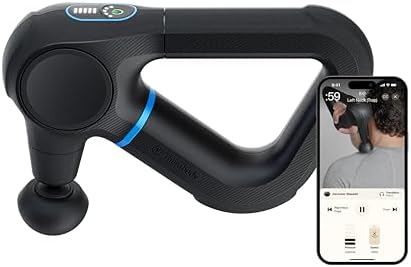
- POWERFUL, PROVEN RECOVERY: Theragun Prime (6th Generation) is our most powerful deep tissue massage gun, scientifically …
- DURABLE, RUGGED MASSAGE GUN DESIGN: Built with a rugged TPU rubber exterior and reinforced corners to withstand heavy us…
- SIMPLE CONTROLS AND REAL-TIME PRESSURE FEEDBACK: One-button operation and LED indicators make it easy to switch between …

- A CLINICAL SCAN OF YOUR HEALTH – Body Smart, developed in collaboration with leading hospitals and clinical institutions…
- ACHIEVE YOUR WEIGHT GOALS FASTER – Reliably track your weight to within 50 g and view your weight trends directly on the…
- INCREASE MUSCLE MASS FASTER – Increase muscle mass faster by analyzing body composition to tailor efforts.

- Fitbit Charge 6 tracks key metrics from calories and Active Zone Minutes to Daily Readiness and sleep; move more with 40…
- See your heart rate in real time: Just link your Charge 6 to compatible exercise machines, like treadmills, ellipticals,…
- Tune into your body: Track your response to stress with a stress management score; learn about the quality of your sleep…
What Are Daily Wellness Essentials?
Daily wellness essentials are the habits, routines, and practical tools that support everyday physical and mental well-being.
They can include:
- Hydration tools
- Nutritious food and meal-preparation essentials
- Walking and exercise equipment
- Sleep-support products
- Stress-management tools
- Personal-care products
- Fitness and health trackers
- Mobility and recovery tools
- Digital-wellness tools
- Preventive healthcare routines
The most important distinction is that wellness products are tools, not the foundation of wellness.
A fitness tracker cannot exercise for you.
A sleep tracker cannot create good sleep habits.
A smart scale cannot replace healthy nutrition.
A massage gun cannot replace rest.
And a supplement should not automatically be treated as a substitute for a balanced diet.
A useful wellness routine starts with behaviors and uses products only when they make those behaviors easier.
1. Make Hydration Easier
Hydration is one of the simplest parts of everyday wellness, but convenience can make a big difference.
If you spend most of your day at a desk, travel frequently, exercise regularly, or simply forget to drink throughout the day, keeping water nearby can remove one practical barrier.
A reusable bottle is therefore less about owning a “wellness gadget” and more about making a healthy behavior easier.
What to look for in a daily water bottle
Consider:
- Capacity
- Leak resistance
- Ease of cleaning
- Material
- Weight
- Lid design
- Portability
- Dishwasher compatibility
- Whether you prefer insulated or lightweight construction
You do not need the most expensive bottle.
Choose one that you will actually carry and use.
Do You Need Electrolytes Every Day?
Not necessarily.
Electrolyte products can have a place in certain situations, but they should not automatically be considered essential for every healthy adult.
Your hydration needs can vary with physical activity, climate, diet, and individual circumstances.
For everyday hydration, the simplest option is often the most practical: make fluids accessible and pay attention to your body’s needs.
2. Build Your Meals Around Nutrition, Not Supplements
A healthy lifestyle is much bigger than a supplement routine.
A sustainable eating pattern generally includes a variety of nutritious foods, such as vegetables, fruits, whole grains, protein-rich foods, and appropriate sources of healthy fats.
The goal is not to make every meal perfect.
The goal is to create a dietary pattern that works over time.
Practical nutrition essentials can include:
- Reusable meal containers
- Food-storage containers
- A quality water bottle
- Basic kitchen tools
- A food scale if portion tracking is useful for you
- A simple meal-planning system
NIDDK provides guidance on combining healthy eating and physical activity as part of long-term weight-management and health habits. NIDDK Healthy Eating & Physical Activity for Life
Be Careful With “Wellness” Supplements
The supplement market is full of products promising better energy, detoxification, immunity, metabolism, hormone balance, and rapid results.
Marketing claims should not automatically be treated as scientific evidence.
Before adding a supplement, ask:
- What specific problem am I trying to address?
- Is there evidence supporting the ingredient?
- Do I actually need it?
- Could it interact with medications?
- Is the dose appropriate?
- Is the manufacturer transparent about ingredients and testing?
For many people, improving the basic diet and daily routine should come before building a complicated supplement stack.
3. Make Daily Movement a Normal Part of Life
Physical activity is one of the strongest foundations of a healthy lifestyle.
The CDC’s current guidance recommends that adults get at least 150 minutes of moderate-intensity aerobic activity each week, along with muscle-strengthening activity on at least two days. The activity can be divided into smaller portions throughout the week.
That does not mean every adult needs a traditional gym routine.
Walking, cycling, strength training, recreational sports, active hobbies, mobility work, and other forms of movement can all contribute to an active lifestyle.
The important thing is finding activities you can realistically maintain.
Useful movement products may include:
- Walking pads
- Adjustable dumbbells
- Resistance bands
- Exercise mats
- Fitness trackers
- Comfortable workout accessories
For people who work from home or spend long periods sitting, a walking pad can be a practical way to create more opportunities for movement.
See our Best Walking Pads for 2026 guide for a deeper look at belt size, stability, storage, noise, speed, weight capacity, and intended use.
The key is to use a walking pad as a movement tool, not as a replacement for every other type of exercise.
4. Build a Sleep Routine Before Buying Sleep Gadgets
Sleep is one of the most important daily wellness essentials.
For most adults, experts recommend roughly 7–9 hours of sleep per night, although individual needs vary.
Before buying a sleep gadget, look at your basic sleep environment.
Start with:
- A consistent sleep schedule
- A comfortable bedroom
- Appropriate darkness
- Reduced nighttime noise
- A relaxing pre-bed routine
- Less stimulating screen use before bed
- Regular daytime activity
- Adequate time available for sleep
Useful sleep products may include:
- Sleep masks
- Earplugs
- Blackout curtains
- White-noise machines
- Supportive pillows
- Sleep trackers
The product should solve a specific problem.
If light wakes you up, a sleep mask or blackout solution may be useful.
If noise is the issue, noise reduction may help.
If your schedule is inconsistent, another gadget may not solve the underlying problem.
5. Use Sleep Trackers as Trend Tools
Modern wearables can estimate:
- Sleep duration
- Sleep and wake times
- Resting heart rate
- Heart-rate variability
- Respiratory rate
- Sleep stages
- Recovery metrics
These numbers can be interesting and potentially useful for observing personal trends.
However, consumer sleep trackers should not automatically be treated as clinical diagnostic tools.
Our Sleep Tracker Buying Guide 2026 explains how different sleep trackers work, which metrics they estimate, and what buyers should consider before purchasing.
A Better Way to Use Sleep Data
Instead of becoming focused on whether one night’s “deep sleep” score was perfect, look for patterns:
- Is your bedtime becoming more consistent?
- Are you sleeping longer?
- Does your sleep change when you exercise regularly?
- Does alcohol or late-night screen use affect your sleep?
- Are you waking up repeatedly?
- Are your sleep patterns changing over several weeks?
A trend is usually more useful than one isolated reading.
If you have persistent sleep problems, significant daytime sleepiness, loud snoring, or repeated gasping during sleep, discuss the issue with a healthcare professional rather than relying only on wearable data.
6. Manage Stress With Habits First
Stress management is another major part of daily wellness.
The mistake is assuming that a product can solve stress by itself.
A better approach is to build a routine that includes several practical strategies.
These may include:
- Regular physical activity
- Adequate sleep
- Time outdoors
- Relaxation practices
- Social connection
- Hobbies
- Better time management
- Taking breaks from screens
NIH’s emotional wellness guidance includes physical activity, adequate sleep, relaxation, social support, and setting priorities among practical approaches to emotional wellness. NIH Emotional Wellness Toolkit
Optional Stress-Relief Products
Depending on your preferences, you might consider:
- Journals
- Meditation cushions
- Exercise mats
- Massage tools
- Noise-reduction products
- Relaxation accessories
For product-specific ideas, see our Best Stress Relief Products guide.
The important point is that a stress-relief product should support a habit—not promise to eliminate stress completely.
7. Create a Healthier Digital Routine
Phones, computers, tablets, and streaming services are now part of everyday life.
Technology can be useful, but constant notifications and uninterrupted screen use can also make it harder to focus, relax, or disconnect.
Digital wellness does not require abandoning technology.
It means using it intentionally.
Simple digital-wellness habits
Try:
- Turning off unnecessary notifications
- Keeping your phone away during meals
- Taking regular screen breaks
- Creating phone-free periods
- Limiting unnecessary social-media scrolling
- Avoiding stimulating content immediately before bed
- Separating work notifications from personal time when possible
The best digital-wellness tool may simply be a setting already available on your phone.
You do not necessarily need another subscription or gadget.
8. Support Mental and Emotional Wellness
Mental wellness is closely connected with sleep, physical activity, stress management, social relationships, and daily routines.
Useful habits can include:
- Journaling
- Meditation
- Reading
- Spending time outdoors
- Maintaining relationships
- Exercising
- Practicing relaxation
- Making time for enjoyable activities
Useful Wellness Products
Optional products can include:
- A quality journal
- A planner
- Meditation accessories
- Comfortable headphones
- Reading accessories
- Exercise equipment
- Simple relaxation tools
But do not turn mental wellness into another shopping project.
The purpose of a product is to make a useful activity easier.
9. Recovery Is Part of an Active Lifestyle
People often focus heavily on workouts while overlooking recovery.
Recovery can include:
- Sleep
- Rest
- Appropriate training volume
- Nutrition
- Hydration
- Mobility work
- Relaxation
Optional recovery products include:
- Foam rollers
- Massage guns
- Mobility balls
- Compression devices
- Stretching accessories
For readers considering percussion therapy, our How to Choose the Right Massage Gun in 2026 guide covers important buying factors such as amplitude, speed settings, attachments, ergonomics, battery life, and intended use.
A massage gun should be considered a recovery accessory—not a replacement for sleep, rest, or appropriate medical care.
10. Choose Fitness Equipment Based on Your Actual Routine
A common mistake is buying equipment based on what looks impressive online.
Instead, start with the activity you already want to perform.
If you want more daily walking
Consider a walking pad.
If you want to strength train at home
Consider adjustable dumbbells or resistance bands.
If you want more mobility work
Consider an exercise mat and simple mobility tools.
If you want better activity tracking
Consider a fitness tracker.
If you want a larger home gym
Measure your available space before buying large equipment.
For example, a compact walking pad may make sense in an apartment, while a larger treadmill or rack requires a dedicated area.
The product should fit your environment—not force your environment to fit the product.
11. Smart Scales Can Help With Trends—If You Understand Their Limits
Smart scales are useful for convenient body-weight tracking.
However, many models also estimate:
- Body-fat percentage
- Muscle mass
- Body water
- Bone mass
- Visceral-fat-related metrics
These additional measurements are generally estimates rather than direct measurements.
Our Smart Scale Body Fat Accuracy 2026 guide explains why BIA-based body-composition readings can vary and why consistent measurement conditions are important.
Use Smart Scales More Intelligently
If you use one:
- Measure under similar conditions.
- Look at trends rather than one reading.
- Avoid treating body-fat estimates as exact.
- Do not let one unusual result determine your entire health strategy.
The scale is a tracking tool.
It is not a diagnosis.
12. Personal Care Is Still Wellness
Wellness does not have to involve sophisticated technology.
Basic personal care remains important.
Your routine may include:
- Oral hygiene
- Skin care
- Hair and scalp care
- Hand hygiene
- Regular bathing
- Sun protection
- Clean clothing
- Appropriate nail care
When selecting personal-care products, focus on your actual needs rather than buying every product promoted as a wellness essential.
More products do not automatically create better personal care.
13. Preventive Healthcare Should Stay Separate From Wellness Gadgets
This is one of the most important points in the entire article.
Consumer wellness products can provide useful information, but they should not replace appropriate healthcare.
That includes:
- Routine medical visits
- Recommended screenings
- Vaccinations
- Dental care
- Eye care
- Professional evaluation of persistent symptoms
- Treatment for diagnosed conditions
A wearable can show a heart-rate trend.
A smart scale can show a weight trend.
A sleep tracker can estimate sleep patterns.
None of these automatically replaces professional evaluation.
If a device repeatedly shows something unusual—or you have symptoms that concern you—use that information as a reason to discuss the issue with a qualified healthcare professional.
14. How to Choose Daily Wellness Products Without Wasting Money
The wellness market is crowded with products that promise better sleep, more energy, faster recovery, improved focus, stress relief, weight management, and better health.
Before buying, ask five questions.
1. What problem does this product solve?
If you cannot clearly answer this question, you may not need it.
2. Will I use it consistently?
A simple product used several times a week may be more useful than an expensive product used once.
3. Is the claim supported?
Look for transparent specifications, appropriate evidence, and clear limitations.
4. What will it cost over time?
Check:
- Subscriptions
- Replacement parts
- Consumables
- Batteries
- Accessories
- Maintenance
- Warranty limitations
5. Does it fit my lifestyle?
A product that requires a complicated routine may not be suitable if you have very little free time.
Convenience is part of product value.
15. Five Wellness Products That Can Fit a Daily Routine
These products are examples of how an optional purchase can support a specific habit.
UREVO SpaceWalk 3S Smart Walking Pad
Best suited for: adding convenient walking at home.
A walking pad can be useful when your environment makes regular walking difficult.
Before buying, compare belt dimensions, speed, weight capacity, storage requirements, stability, noise, and warranty.
PowerBlock Elite EXP Adjustable Dumbbells
Best suited for: compact home strength training.
Adjustable dumbbells can replace multiple fixed-weight pairs and are particularly useful when space is limited.
Pay attention to weight range, adjustment mechanism, durability, handle design, and how quickly you can change resistance between exercises.
Theragun Prime 6th Gen Massage Gun
Best suited for: people who want a portable percussion-massage tool as part of their recovery routine.
Compare speed control, attachment options, ergonomics, battery life, and the level of pressure you actually need rather than choosing solely by the highest advertised specification.
Withings Body Smart Smart Scale
Best suited for: tracking body weight and longer-term trends.
Treat body-composition measurements as estimates and focus on consistent tracking rather than interpreting every number as a precise clinical measurement.
Fitbit Charge 6 Fitness Tracker
Best suited for: everyday activity and fitness tracking.
Consider whether you will actually use its activity, workout, heart-rate, and other tracking features before paying for a more advanced wearable.
These are examples of product categories that can support specific habits. They should not be interpreted as mandatory wellness purchases.
16. A Simple Daily Wellness Framework
You do not need a 20-step routine.
A practical daily framework can be much simpler.
Morning
- Drink water.
- Get some daylight.
- Move your body.
- Eat a balanced meal if it fits your routine.
- Decide on your most important priorities.
During Work
- Break up long periods of sitting.
- Drink fluids.
- Take short movement breaks.
- Eat balanced meals.
- Step away from your screen periodically.
Afternoon
- Add additional movement.
- Spend some time outdoors when possible.
- Connect with another person.
- Avoid unnecessary digital distractions.
Evening
- Finish demanding work.
- Eat a balanced dinner.
- Reduce unnecessary screen stimulation.
- Do something relaxing.
- Prepare for the following day.
Before Bed
- Keep your sleep schedule consistent.
- Make your bedroom comfortable.
- Reduce unnecessary light and noise.
- Give yourself enough time to sleep.
The routine does not have to be perfect.
It has to be repeatable.
17. Daily Wellness Essentials by Goal
| Goal | Useful Essentials | What to Prioritize |
|---|---|---|
| Stay hydrated | Reusable water bottle | Capacity, cleaning, portability |
| Move more | Walking pad | Stability, belt size, storage |
| Build strength | Adjustable dumbbells | Weight range, durability |
| Improve sleep routine | Sleep mask, blackout solution | Comfort and environment |
| Understand sleep trends | Sleep tracker | Useful metrics and limitations |
| Manage stress | Journal, relaxation tools | Simplicity and consistency |
| Recover after exercise | Mobility tools, massage gun | Comfort and intended use |
| Track weight trends | Smart scale | Consistency and measurement limits |
| Track activity | Fitness tracker | Features you will actually use |
| Improve digital habits | Screen-time controls | Convenience and consistency |
Common Daily Wellness Mistakes to Avoid
Buying Products Before Identifying the Problem
Start with the habit you want to improve.
Then choose the product.
Treating Marketing Claims as Medical Evidence
A product description is not the same thing as independent scientific evidence.
Be especially careful with claims involving disease treatment, hormone balance, detoxification, rapid fat loss, or guaranteed health outcomes.
Tracking Too Many Numbers
More data can create more confusion.
Choose a small number of measurements that genuinely help you make decisions.
Trying to Change Everything at Once
Large lifestyle changes can become difficult to maintain.
Start with one or two practical habits and build gradually.
Confusing Wellness With Shopping
You do not need a new product every time you want to improve your health.
Walking outside is free.
Taking a screen break is free.
Going to bed on time does not require a gadget.
Calling a friend does not require an app.
Ignoring Product Limitations
Every wellness product has limitations.
Understand what the product measures, what it estimates, and what it cannot tell you.
How We Evaluate Wellness Products at LifeCareBalance
A high-quality wellness guide should clearly separate different types of information.
Manufacturer Information
These are specifications and claims provided by the brand.
Independent Testing
Independent testing can provide additional information about performance, durability, comfort, or accuracy when available.
Scientific or Government Guidance
Research and government health guidance can help establish what is known about a health behavior, technology, or intervention.
Editorial Analysis
This is our assessment of how a product may fit a particular use case.
These categories should not be presented as though they are identical.
If LifeCareBalance has not personally lab-tested a product, we should not imply that we have.
Prices, availability, product generations, specifications, and Amazon listings can change. Always verify current details before purchasing.
The Bigger Picture: Wellness Is a System
The most useful way to think about daily wellness is as a system rather than a shopping list.
Nutrition affects energy.
Movement supports physical fitness.
Sleep affects recovery and daily functioning.
Stress management supports emotional well-being.
Social connection adds another important dimension.
Preventive healthcare helps identify and address health concerns appropriately.
Products can connect these areas by making healthy habits more convenient.
But the product itself is rarely the most important part.
A $20 journal used consistently can be more useful than an expensive wellness device that stays in a drawer.
A walking pad that you actually use can be more useful than a premium treadmill you never touch.
A basic sleep routine can be more valuable than another sleep gadget.
The best wellness purchase is therefore the one that removes a real barrier in your daily life.
Frequently Asked Questions
What are the most important daily wellness essentials?
The foundations are balanced nutrition, adequate hydration, regular physical activity, sufficient sleep, stress management, social connection, personal care, and appropriate preventive healthcare.
Do I need wellness products to live a healthy lifestyle?
No. Wellness products are optional tools. Healthy habits are more important than owning specialized equipment.
What wellness product should I buy first?
Start with your biggest practical barrier. If you sit too much, movement equipment may help. If your room is too bright at night, a sleep mask or blackout solution may be more useful. If you want to monitor activity, a fitness tracker may make sense.
How much physical activity should adults get?
The CDC recommends at least 150 minutes of moderate-intensity aerobic activity each week plus muscle-strengthening activity on at least two days. Activity can be divided into smaller periods throughout the week. CDC Adult Physical Activity Guidelines
How much sleep do adults need?
Most adults should generally aim for around 7–9 hours of sleep per night, although individual needs vary. NIH Healthy Sleep Guidance
Are smart scales accurate for body fat?
Smart scales can provide useful estimates and trends, but body-fat measurements from consumer BIA devices are not equivalent to direct clinical measurements. Conditions such as hydration can affect readings.
Can a sleep tracker diagnose a sleep disorder?
A consumer sleep tracker should not automatically be treated as a diagnostic device. Persistent sleep symptoms should be discussed with an appropriate healthcare professional.
Are expensive wellness products better?
Not necessarily. Premium products may offer better materials, convenience, software, support, or additional features, but higher price does not automatically mean better health outcomes.
Do I need supplements for daily wellness?
Not everyone needs supplements. A balanced diet should generally be the foundation, while supplements should be considered according to individual nutritional needs and professional advice when appropriate.
What is the best way to make wellness habits stick?
Start small, connect new habits to routines you already have, make the healthy choice convenient, and focus on consistency rather than perfection.
Final Takeaway
Daily wellness is not about buying the largest collection of health products.
It is about creating a routine that you can realistically maintain.
Start with the fundamentals:
- Eat a balanced diet.
- Stay adequately hydrated.
- Move regularly.
- Strength train when appropriate.
- Get enough sleep.
- Manage stress.
- Maintain meaningful relationships.
- Practice basic personal care.
- Use technology intentionally.
- Keep up with preventive healthcare.
Then add products only when they make those habits easier.
A walking pad can reduce the barrier to daily movement.
Adjustable dumbbells can make strength training practical in a small space.
A sleep tracker can help you observe patterns.
A smart scale can help monitor weight trends.
A massage gun can be an optional recovery tool.
A journal can support reflection and organization.
None of these products has to become the center of your wellness routine.
The strongest approach is simple:
Build the habit first. Use the product to support it.
That is what makes a wellness routine practical, sustainable, and much more likely to survive beyond the first few weeks.