
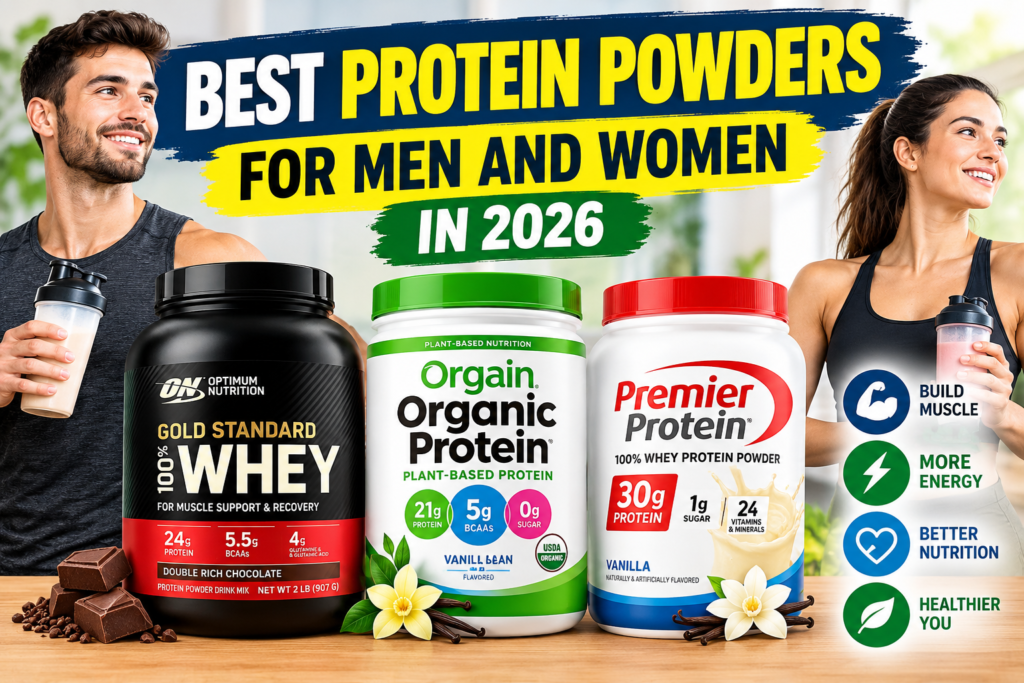
Discover the best protein powders for men and women in 2026. Compare whey, vegan, and collagen protein options for muscle growth and weight management.
LifeCareBalance.com is reader-supported. When you buy through links on our site, we may earn an affiliate commission at no extra cost to you. As an Amazon Associate, we earn from qualifying purchases.
Choosing the best protein powder for men and women in 2026 is about more than picking a popular brand. The right supplement should match your fitness goals, dietary preferences, budget, and nutritional needs.
Protein helps the body maintain and build muscle, repair tissues, and support normal body functions. If your regular meals do not provide enough protein, a protein powder can be a convenient addition to your diet. However, supplements are optional, and a balanced diet remains the foundation of good nutrition.
Today’s market includes whey protein concentrate, whey isolate, plant-based protein, hydrolyzed whey, and collagen peptides. Each option has different advantages and limitations.
In this guide, LifeCareBalance compares popular protein products, explains how to choose a suitable formula, and covers the safety and nutrition details shoppers should understand before buying.
Quick Answer: What Is the Best Protein Powder in 2026?
The best option depends on your needs:
- Best all-around whey option: Optimum Nutrition Gold Standard 100% Whey Protein.
- Best plant-based option: Orgain Organic Vegan Protein Powder.
- Best convenient shake option: Premier Protein Powder.
- Best for lower-lactose whey preferences: A suitable whey isolate.
- Best for dairy-free diets: A plant-based protein powder that meets your nutritional requirements.
- Best for specific collagen goals: Collagen peptides, used as a separate supplement rather than a complete protein replacement.
These recommendations reflect product type, intended use, and available product information. LifeCareBalance has not independently laboratory-tested these products, so shoppers should check current labels and independent certifications before purchasing.
Best Protein Powders for Men and Women
1. Optimum Nutrition Gold Standard 100% Whey Protein — Best All-Around Whey
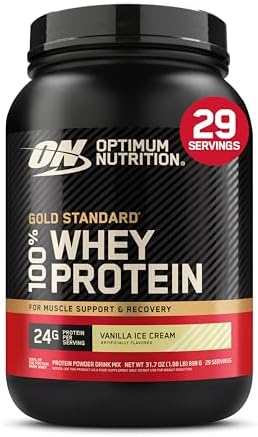
- 24 g High-Quality Whey Protein per Scoop – 100% of the protein from whey for a fast-absorbing, complete protein source t…
- 5.5 g Naturally-Occurring BCAAs + 11g of naturally occurring EAAs – Delivers essential amino acids including leucine, is…
- Low Sugar, Low Carb, Low Fat — Ideal for Lean Muscle or Cutting Phases – With just ~1 g sugar, ~3 g carbs per serving, a…
Optimum Nutrition Gold Standard 100% Whey is a popular option for people who want a convenient source of dairy protein to complement regular meals and exercise.
Whey provides all nine essential amino acids, making it a complete protein. It can help people meet their protein needs when combined with adequate food intake and a consistent resistance-training routine.
Key considerations:
- Suitable for post-workout shakes and smoothies.
- Available in multiple flavors and package sizes.
- Provides dairy-derived protein.
- Useful for people who want a straightforward protein supplement.
Best for: Adults who tolerate dairy and want an everyday protein powder.
Potential drawback: Whey concentrate may contain lactose. People with milk-protein allergies should avoid whey products, including whey isolate.
Where to buy: View Optimum Nutrition on Amazon US.
2. Orgain Organic Vegan Protein Powder — Best Plant-Based Choice

- CLEANER INGREDIENTS: 21g of Organic plant based protein and 1g sugar. Our protein blend contains Organic peas, brown ric…
- HIGHER STANDARDS: This product is vegan, contains no erythritol, gluten-free, kosher, made without soy ingredients & Non…
- USDA ORGANIC & CERTIFIED PLANT-BASED: To ensure we are delivering on high-quality products, we use third parties to veri…
Orgain Organic Vegan Protein Powder is an option for people who prefer plant-based nutrition or want to avoid dairy ingredients.
Plant-based powders commonly use pea, rice, soy, or other plant proteins. Some products combine different protein sources to provide a broader essential amino acid profile.
Key considerations:
- Designed for plant-based nutrition.
- Convenient for smoothies and snacks.
- Provides an alternative to dairy-based protein.
- Available in different flavors.
Best for: Vegans, vegetarians, and people who prefer dairy-free products.
Potential drawback: Taste, texture, fiber content, and digestive tolerance vary by formula. Check the exact label for allergens and protein per serving.
Where to buy: View Orgain Organic Vegan Protein on Amazon US.
3. Premier Protein Powder — Best for Convenience

- 30g protein per serving to feed muscles and curb hunger, with 100% whey protein and all essential amino acids.
- Contains 2 flavors – Chocolate Milkshake and Café Latte – to satisfy your sweet tooth or wake you up.
- Each tub provides 17 servings of indulgent, smooth protein powder with only 1g sugar.
Premier Protein Powder is worth considering if you want a flavored powder that can be mixed into shakes, smoothies, or other foods.
Powdered products are convenient for people who prefer preparing drinks at home or need a portable way to supplement meals.
Key considerations:
- Easy to incorporate into a daily routine.
- Can be mixed with water or an appropriate milk alternative.
- Useful for quick snacks and smoothies.
- Offers a different format from ready-to-drink protein shakes.
Best for: Shoppers who prioritize convenience and flavor.
Potential drawback: Do not confuse Premier Protein Powder with Premier Protein ready-to-drink shakes. They are different products and may have different serving sizes and nutritional values.
Where to buy: Search Premier Protein Powder on Amazon US. Confirm the exact powder product before purchasing.
Protein Powder Comparison Table
| Product or type | Best use | Main limitation |
|---|---|---|
| Optimum Nutrition Gold Standard Whey | General protein supplementation | Contains milk-derived protein |
| Orgain Organic Vegan Protein | Plant-based nutrition | Formula and digestive tolerance vary |
| Premier Protein Powder | Convenient flavored shakes | Verify the exact product label |
| Whey protein isolate | Higher protein concentration with less lactose in many formulas | Still contains milk proteins |
| Hydrolyzed whey | People who prefer pre-digested whey | Often costs more without guaranteeing better results |
| Collagen peptides | Specific collagen supplementation goals | Not a complete protein replacement |
Compare the actual nutrition labels rather than choosing solely by brand popularity or price. Protein content, serving weight, calories, added sugar, allergens, and cost per serving are all important.
How to Choose Protein Powder for Muscle Growth
Muscle development depends on resistance training, adequate nutrition, recovery, and consistency. Protein powder can help meet daily protein requirements, but it cannot replace an effective workout program.
Whey protein is a convenient option because it supplies all essential amino acids. Suitable soy-based and blended plant proteins can also support muscle growth when overall protein intake is sufficient.
When comparing products, check:
- Protein per serving.
- Total calories and added sugar.
- Amino acid quality.
- Ingredient and allergen information.
- Cost per serving.
- Credible independent quality testing.
You do not necessarily need a premium or hydrolyzed formula to achieve good results.
Best Protein Powder for Weight Management
Protein can help you feel satisfied after meals and support muscle maintenance during weight loss. However, protein powder does not independently burn fat.
If weight management is your goal, consider a product that supplies sufficient protein without adding unnecessary calories or sugar. Think of a shake as a convenient supplement or planned snack rather than an automatic replacement for every meal.
For more options related to this goal, explore the LifeCareBalance guide to Best Weight Loss Products on Amazon for 2026.
A successful weight-management plan also includes balanced meals, regular activity, adequate sleep, and an eating pattern you can maintain.
Best Protein Powder for Women
Women generally do not need a special protein formula simply because it is marketed for women. Whey, soy, and suitable plant-based proteins can all help meet individual nutritional needs.
A protein powder may be useful when:
- Meals do not provide enough protein.
- You need a convenient post-workout snack.
- You follow a vegetarian or vegan diet.
- You want to supplement a structured nutrition plan.
Avoid products promising guaranteed fat burning, hormonal balance, or dramatic changes in skin and hair. These claims should not be accepted without appropriate evidence.
For readers interested in skincare and general wellness, LifeCareBalance also offers Korean Skincare Secrets for Clear Skin. Skincare products and protein supplements serve different purposes, and neither should be presented as a guaranteed solution for every skin concern.
Whey Isolate vs. Whey Concentrate
Whey concentrate and whey isolate are both dairy-derived proteins, but they differ in processing and composition.
Whey isolate generally contains a higher proportion of protein and less lactose, fat, and carbohydrate than whey concentrate. The exact difference depends on the product.
Choose isolate if you prefer a higher protein concentration or need a lower-lactose option. Choose concentrate if its nutrition profile meets your needs and you tolerate it well.
Remember that lactose intolerance and milk-protein allergy are different conditions. Whey isolate is not safe for someone with a milk-protein allergy.
Is Plant-Based Protein Effective?
Yes. Suitable plant-based protein powders can help people meet their daily protein requirements and support muscle growth.
Pea, soy, and blended plant proteins are common options. Check the protein quantity, amino acid profile, ingredients, and allergen statement.
A vegan label does not automatically mean a product is lower in calories, healthier, or more suitable for every person. Compare the actual nutrition facts.
How Much Protein Do You Need?
The standard Recommended Dietary Allowance for healthy adults is approximately 0.8 grams of protein per kilogram of body weight per day. This is a general reference, not an individualized target for every athlete or person with specific health needs.
Protein requirements can vary with age, activity, body size, calorie intake, and health status. People who exercise regularly may need more than the basic adult RDA, depending on their circumstances.
You can obtain protein from eggs, poultry, fish, dairy products, soy, beans, lentils, nuts, and seeds. A supplement is most useful when it fills a genuine gap in your diet.
People with kidney disease or other conditions affecting protein intake should consult a qualified healthcare professional before substantially increasing protein consumption.
When Should You Drink a Protein Shake?
There is no single best time for everyone. Meeting your daily protein needs and following a consistent exercise and eating routine are generally more important than drinking a shake at a precise minute.
At breakfast: A shake can supplement a meal that contains little protein.
Before exercise: It can be convenient if you have not eaten recently and tolerate it well.
After exercise: Protein supplies amino acids that help support muscle repair and adaptation.
Before bed: An evening protein snack may suit some people, but it is not essential if daily nutritional needs are already met.
Choose a time that fits your routine and digestion.
Protein Powder Safety: What to Check Before Buying
Dietary supplements sold in the United States are not approved by the FDA for safety and effectiveness before marketing in the same way as medicines.
To make a more informed choice:
- Read the full ingredient list and nutrition facts.
- Check allergens and serving sizes.
- Avoid products promising extraordinary results.
- Look for relevant independent testing or certification.
- Confirm the exact product and certification rather than relying on a logo alone.
- Follow the manufacturer’s serving directions.
For additional information, consult the FDA’s dietary supplement guidance and the NIH Office of Dietary Supplements.
For athletes concerned about supplement quality, NSF Certified for Sport provides information about its certification program. Certification can help assess product quality, but it does not guarantee a particular fitness or health outcome.
You can also review Harvard Health’s information about protein powder risks before deciding whether a supplement is necessary.
Common Protein Powder Mistakes
Taking more than you need: Additional scoops do not guarantee additional muscle growth.
Ignoring the rest of your diet: Protein supplements do not replace the vitamins, minerals, fiber, and other nutrients supplied by varied foods.
Overlooking allergens: A product may not suit someone with a milk, soy, or other food allergy.
Assuming expensive means better: Compare protein content, ingredient quality, testing, and cost per serving.
Trusting every marketing claim: Be skeptical of promises to burn fat, boost testosterone, or produce guaranteed beauty benefits.
Are Premium Protein Powders Worth the Money?
They can be worth the extra cost when they offer a feature you genuinely need, such as a particular protein source, suitable ingredients, a preferred flavor, or credible independent testing.
However, a higher price does not automatically mean better muscle growth, faster recovery, or superior health benefits.
Compare the price per serving, grams of protein, calorie content, ingredient list, and testing information before paying extra for a premium label.
Final Verdict
The best protein powder for men and women in 2026 is the one that fits your dietary requirements, fitness goals, and budget.
Optimum Nutrition Gold Standard 100% Whey is a practical dairy-based choice. Orgain Organic Vegan Protein Powder is an option for plant-based nutrition, while Premier Protein Powder may suit people seeking a convenient flavored shake.
Choose supplements based on their actual nutritional features rather than promises of rapid fat loss, hormonal changes, or guaranteed beauty results. A balanced diet, regular exercise, and adequate recovery remain the foundation of long-term progress.
Frequently Asked Questions
Which protein powder is best for muscle gain?
Whey protein and suitable complete plant-based proteins can support muscle growth when combined with adequate nutrition and resistance training.
Can women take protein powder daily?
Many healthy adults can use protein powder daily if it helps meet their nutritional needs. It is not necessary when regular food already supplies sufficient protein.
Does protein powder help with weight loss?
Protein may help with fullness and muscle maintenance during weight loss. Fat loss depends on overall energy balance and sustainable lifestyle habits.
Is whey isolate better than whey concentrate?
Whey isolate generally has a higher protein proportion and less lactose. Whether it is worth the extra cost depends on your needs and the products being compared.
Is plant-based protein effective?
Yes. Suitable plant-based proteins can help meet protein requirements and support muscle maintenance and growth.
Is collagen a complete protein?
No. Collagen does not supply all essential amino acids in the proportions needed to serve as the sole protein source, so it should not automatically replace a complete dietary protein.
Should I drink a shake immediately after working out?
Not necessarily. Adequate daily protein intake matters more than taking a shake at one exact time.
Are protein powders FDA-approved?
Dietary supplements are not reviewed and approved for safety and effectiveness before marketing in the same way as medicines. Consumers should examine labels and quality information carefully.
Disclaimer: This article provides general educational information and is not a substitute for personalized medical or dietary advice.