
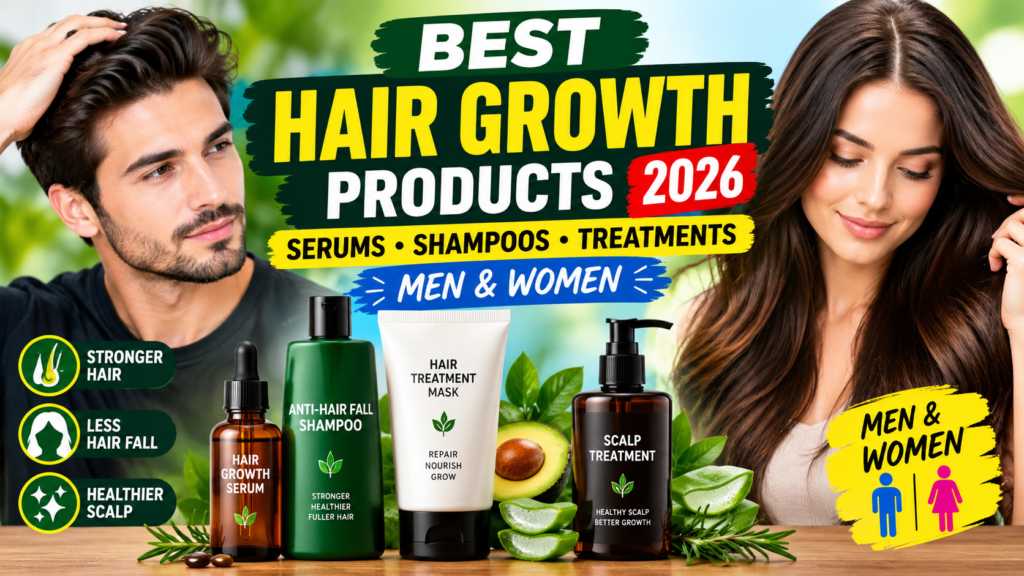
Discover the best hair growth products in 2026, including shampoos, scalp serums, oils, and supplements. Compare benefits, ingredients, safety, and proven treatments.
LifeCareBalance.com is reader-supported. When you buy through links on our site, we may earn an affiliate commission at no extra cost to you. As an Amazon Associate, we earn from qualifying purchases.
Healthy, thick, and shiny hair is a common goal for both men and women. However, hair thinning, excessive shedding, dryness, and breakage can make it difficult to maintain fuller-looking hair. The good news is that the right hair care products and a consistent routine can help improve hair strength, scalp comfort, and overall appearance.
The best hair growth products in 2026 include shampoos, scalp serums, nourishing oils, conditioners, supplements, and evidence-based treatments. However, not every product marketed for hair growth actually stimulates new hair growth. Some products primarily reduce breakage, improve shine, or make fine hair appear thicker.
In this guide, we will explore the best types of hair growth products, important ingredients, differences between cosmetic products and medical treatments, and practical ways to choose the right option for your needs.
Quick Answer: What Are the Best Hair Growth Products in 2026?
The best product depends on the reason your hair is thinning or breaking.
- For pattern hair loss: Topical minoxidil may help suitable users regrow hair and slow further loss.
- For weak and damaged hair: A gentle shampoo, conditioner, and leave-in treatment can help reduce breakage.
- For dry hair: Coconut oil, argan oil, and suitable conditioning products may improve softness and manageability.
- For scalp care: A gentle scalp serum may support hydration, depending on its ingredients.
- For nutritional deficiencies: Appropriate supplements may help when a deficiency is identified.
- For sudden hair loss: A dermatologist can help identify the cause and recommend appropriate treatment.
No single product works for everyone. Identifying the reason for hair loss is often more useful than purchasing several products with similar claims.
Why Do People Experience Hair Loss?
Hair shedding is a normal part of the hair growth cycle. However, excessive shedding, progressive thinning, or bald patches can indicate an underlying problem.
Common causes include:
- Hereditary pattern hair loss.
- Physical or emotional stress.
- Hormonal changes.
- Nutritional deficiencies.
- Thyroid or other medical conditions.
- Certain medications.
- Tight hairstyles and repeated styling damage.
- Scalp conditions that cause irritation or inflammation.
Hair breakage is different from hair loss. Breakage occurs when strands snap, often because of heat styling, chemical treatments, friction, or rough handling. Hair loss may involve shedding from the roots or gradual changes in hair density.
Understanding this difference helps you select products that address the actual problem.
1. Hair Growth Shampoos
Hair growth shampoos are popular among people who want cleaner scalps, stronger-looking strands, and more volume. Although shampoos can support hair care, ordinary cosmetic shampoos should not be expected to reverse hereditary hair loss.
Benefits of Hair Growth Shampoos
A suitable shampoo can:
- Remove excess oil, dirt, and product buildup.
- Help maintain scalp cleanliness.
- Reduce tangling when paired with an appropriate conditioner.
- Improve the appearance of fine or flat hair.
- Support healthier-looking hair by minimizing unnecessary damage.
Ingredients to Consider
Biotin: Commonly included in hair products, although topical biotin has not been established as a reliable treatment for hair loss.
Keratin and conditioning agents: May improve smoothness and the feel of damaged hair.
Caffeine: Frequently marketed for scalp stimulation, but evidence for individual cosmetic products remains limited.
Rosemary oil: A popular botanical ingredient, although strong clinical evidence for reliable hair regrowth is lacking.
Argan oil: Helps improve softness and shine.
How to Choose a Shampoo
Choose a shampoo that suits your scalp and hair texture. If your scalp is sensitive, look for a gentle formula and avoid products that cause persistent itching or irritation.
If your primary concern is significant thinning, consider medical guidance rather than relying on shampoo alone.
2. Hair Growth Serums
Scalp serums are designed to deliver concentrated ingredients directly to the scalp. They may focus on hydration, scalp comfort, cosmetic fullness, or hair-loss treatment, depending on their formulation.
Popular Types of Hair Serums
Peptide serums: Marketed for scalp care and fuller-looking hair. Evidence varies by product, and the presence of peptides does not prove that a serum stimulates new growth.
Caffeine serums: Commonly promoted for thinning hair, although evidence for many consumer formulations remains insufficient.
Hydrating scalp serums: May help with dryness and discomfort when formulated with suitable moisturizing ingredients.
Minoxidil treatments: Unlike ordinary cosmetic serums, topical minoxidil is an established treatment for certain types of pattern hair loss.
How to Choose a Serum
Review the ingredients, application instructions, safety warnings, and evidence supporting the product’s specific claims.
Avoid products that promise guaranteed regrowth in a few days. Hair growth takes time, and the results depend on the underlying cause of thinning.
3. Best Hair Growth Oils
Hair oils can improve the feel, appearance, and manageability of dry hair. However, conditioning benefits should not be confused with proven hair regrowth.
Rosemary Oil
Rosemary oil is widely discussed as a natural hair-growth ingredient. Limited research has explored its potential benefits, but there is not enough strong evidence to guarantee that it reliably regrows hair.
Essential oils can cause irritation or allergic reactions. Never assume that applying a concentrated essential oil directly to your scalp is safe.
Coconut Oil
Coconut oil may help reduce protein loss from hair under certain conditions. It can be useful for conditioning and protecting the hair shaft, particularly when hair is dry or damaged.
Castor Oil
Castor oil is thick and moisturizing. It may help coat strands and improve their appearance, but high-quality evidence that it independently stimulates hair growth is lacking.
Argan Oil
Argan oil can help improve shine, softness, and manageability. It is primarily a cosmetic conditioning option rather than a proven treatment for hereditary hair loss.
How to Use Hair Oils
- Begin with a small amount.
- Follow the product’s directions.
- Avoid applying products that cause itching, redness, or irritation.
- Wash out excess oil when necessary.
- Combine oil use with gentle cleansing and conditioning.
Choose oils based on your hair type and scalp sensitivity rather than marketing claims alone.
4. Hair Growth Supplements
Hair supplements are marketed with promises of stronger roots, faster growth, and thicker hair. Their benefits depend on nutritional status, ingredients, dosage, and individual needs.
Biotin
Biotin is necessary for normal body function, and severe deficiency can affect hair. However, biotin deficiency is uncommon, and there is insufficient evidence that taking extra biotin improves hair growth in people who already get enough.
High-dose biotin can interfere with certain laboratory tests. Inform your healthcare professional if you take biotin supplements before blood testing.
Collagen
Collagen supplements are widely marketed for hair, skin, and nails. However, strong evidence that collagen supplements independently regrow hair is lacking.
For more information about collagen products, read our related guide: Best Daily Collagen Powder for Men and Women.
Iron and Zinc
Iron or zinc deficiency may contribute to hair problems in some people. Taking these nutrients without a demonstrated need may be unnecessary or harmful.
A healthcare professional can determine whether dietary changes, testing, or supplementation are appropriate.
Vitamin D and Other Nutrients
Adequate nutrition supports normal hair function. Correcting a documented deficiency may help address a contributing factor, but taking additional vitamins does not guarantee faster growth.
Supplement tip: Check the dosage, ingredient list, warnings, and possible interactions before purchasing a hair supplement.
5. Evidence-Based Hair Loss Treatments
For people experiencing hereditary pattern hair loss, medical treatments may be more appropriate than cosmetic products alone.
Topical Minoxidil
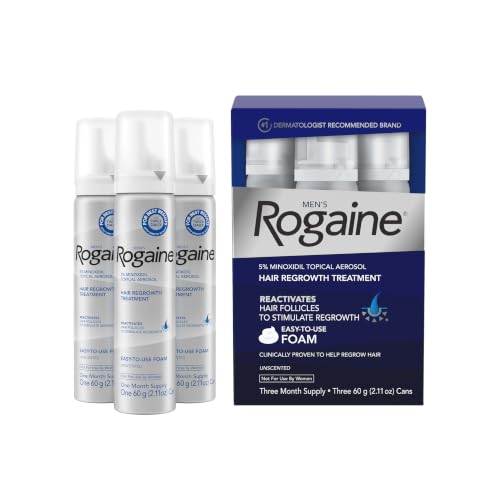
- 3-month supply: This men’s hair regrowth product is a hair growth foam that slows hair loss and promotes regrowth; incre…
- Proven regrowth: Rogaine foam Minoxidil for men is clinically proven to regrow hair and reduce the rate of hair loss; Ro…
- Scalp-conditioning formula: A blend of botanical extracts and nourishing emollients that help condition your scalp and p…
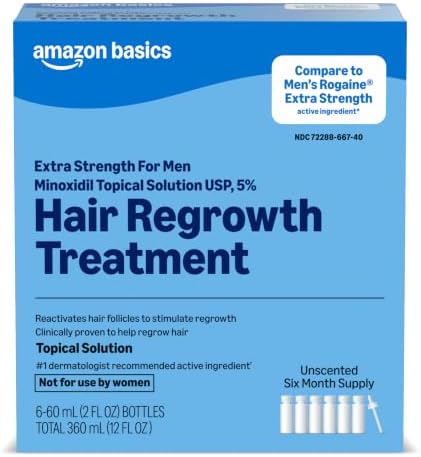
- SHIPMENT CONTAINS: One 12 fluid ounce package of Amazon Basics Minoxidil Topical Solution USP, 5 Percent, with easy-to-u…
- ACTIVE INGREDIENT: Features minoxidil 5 percent w/v, the number one dermatologist recommended active ingredient for hair…
- EXTRA STRENGTH FORMULA: This unscented topical solution reactivates hair follicles to stimulate hair regrowth on the top…
Topical minoxidil is an established treatment for certain types of pattern hair loss. Suitability, formulation, and instructions vary by product and individual.
Potential considerations include:
- Results may take several months.
- Continued use is generally needed to maintain benefits.
- Scalp irritation may occur.
- Unwanted hair growth can occur in unintended areas.
- It is not suitable for every person or every cause of hair loss.
Follow the product label and consult a healthcare professional if you are unsure whether it is appropriate.
Finasteride
Finasteride is a prescription treatment used for selected cases of pattern hair loss, particularly in men. It can cause adverse effects and is not appropriate for everyone. Its pregnancy-related risks are especially important.
Do not begin prescription hair-loss medication without appropriate medical guidance.
For more information about hair-loss evaluation and treatment, visit the American Academy of Dermatology’s hair-loss treatment guide.
6. Scalp Massagers and Red-Light Devices
Scalp massagers can make shampooing and product application more comfortable. Gentle massage may also be relaxing, but ordinary scalp massagers should not be considered proven stand-alone treatments for significant hair loss.
Low-level light therapy devices are marketed for selected types of hair thinning. Evidence and regulatory status depend on the specific device and its intended use.
Before buying a device, consider:
- The evidence supporting the exact model.
- Its intended use and safety instructions.
- The time commitment required.
- The total cost.
- Whether a dermatologist believes it is appropriate for your situation.
Do not assume every red-light device has been FDA-cleared or FDA-approved.
7. Best Hair Growth Products for Men
Men may experience a receding hairline, thinning around the crown, hereditary pattern hair loss, or temporary shedding related to illness, stress, or other factors.
A practical routine may include:
- A gentle shampoo appropriate for the scalp.
- Conditioner to reduce tangling and breakage.
- A thickening product for temporary cosmetic volume.
- An evidence-based treatment when appropriate.
- A medical evaluation if thinning progresses or the cause is uncertain.
Topical minoxidil may be an option for some men with pattern hair loss. Finasteride may also be considered with medical guidance.
Choose products according to your needs rather than assuming that every product marketed specifically to men will produce better results.
8. Best Hair Growth Products for Women
Women may experience hair thinning due to hereditary factors, hormonal changes, temporary shedding, nutritional deficiencies, medical conditions, or styling damage.
A suitable hair care routine may include:
- A gentle shampoo and conditioner.
- A leave-in conditioner for fragile or tangled hair.
- A scalp product with clearly explained ingredients.
- A balanced diet with adequate protein.
- Medical assessment when thinning persists.
Topical minoxidil is used for certain types of female pattern hair loss, but product suitability and instructions vary. Consult a healthcare professional, especially if you are pregnant, planning pregnancy, or breastfeeding.
A widening part, persistent shedding, or visible scalp should not automatically be blamed on stress. Finding the cause can help determine the most appropriate treatment.
9. Natural vs. Medicated Hair Growth Products
| Product type | Main purpose | Important limitation |
|---|---|---|
| Gentle shampoo | Cleansing and scalp care | Does not guarantee regrowth |
| Thickening shampoo | Fuller-looking hair | Primarily cosmetic |
| Coconut or argan oil | Conditioning and shine | Does not treat every cause of hair loss |
| Rosemary oil | Botanical scalp care | Strong evidence for reliable regrowth is lacking |
| Cosmetic scalp serum | Hydration or appearance | Evidence varies by formula |
| Hair supplements | Nutritional support | Most useful when an appropriate nutritional need exists |
| Topical minoxidil | Treats certain types of pattern hair loss | Results and suitability vary |
| Prescription finasteride | Treats selected cases of pattern hair loss | Requires medical assessment |
Natural products are not automatically safer or more effective than medicated treatments. The right choice depends on your scalp, health history, hair type, and reason for hair loss.
10. Daily Hair Care Routine for Healthier Hair
Cleanse Gently
Wash your hair as often as needed for your scalp and hair type. Avoid using harsh products that leave your scalp uncomfortable.
Use Conditioner
Conditioner helps reduce friction, tangling, and breakage. Apply it according to the product directions.
Reduce Heat Styling
Frequent high-temperature styling can damage strands. Use lower heat settings and minimize unnecessary straightening or curling.
Eat a Balanced Diet
Include protein-rich foods and a variety of nutrient-rich ingredients. If you suspect a nutritional deficiency, seek professional advice rather than taking multiple supplements without assessment.
Manage Stress and Sleep Well
Stress can contribute to temporary shedding in some people. Healthy routines may support overall well-being, although stress management alone will not treat every form of hair loss.
Our related guide, Best Ashwagandha Capsules for Stress Relief and Energy in 2026, discusses a supplement often marketed for stress. Ashwagandha should not be considered a proven treatment for hair loss.
Protect Fragile Hair
Avoid overly tight hairstyles, rough towel drying, and aggressive brushing. These practices can help reduce preventable damage.
11. Common Hair Growth Mistakes to Avoid
Expecting Instant Results
Hair growth is gradual. Products promising dramatic results within days should be approached cautiously.
Using Too Many Products
Combining multiple serums, oils, shampoos, and supplements may increase the risk of irritation or excessive nutrient intake.
Ignoring the Cause of Hair Loss
Hereditary thinning, temporary shedding, nutritional deficiencies, and scalp disorders may require different approaches.
Applying Undiluted Essential Oils
Concentrated essential oils can irritate the skin. Choose properly formulated products and follow their directions.
Trusting Every Marketing Claim
Ingredients such as biotin, collagen, caffeine, and rosemary oil are not automatic proof that a product regrows hair.
12. How Long Do Hair Growth Products Take to Work?
The timeline depends on the product and the outcome you want.
Conditioners and oils may improve softness or shine after use. Thickening products can temporarily make hair appear fuller. Reducing breakage may help you retain more length over time.
Medical treatments for pattern hair loss generally require consistent use over several months before their effects can be assessed. Results vary, and continued treatment may be necessary.
Supplements may help address hair problems related to a nutritional deficiency, but they are not guaranteed to improve growth when nutritional intake is already adequate.
If your hair loss continues or worsens, consult a dermatologist rather than continually adding products to your routine.
13. When Should You See a Dermatologist?
Seek professional advice if you notice:
- Sudden or substantial hair shedding.
- Round or irregular bald patches.
- A progressively widening part or receding hairline.
- Persistent scalp pain, itching, redness, or scaling.
- Hair loss following an illness or a change in medication.
- Hair loss accompanied by other unexplained symptoms.
A clinician may examine your scalp, review your health history, and recommend tests when indicated.
Final Thoughts
The best hair growth products in 2026 are those that match your actual hair care needs. Shampoos and conditioners can support scalp cleanliness and reduce breakage, while oils may improve softness and shine. Supplements are most useful when they address a genuine nutritional need, and established treatments such as topical minoxidil may help certain people with pattern hair loss.
Before purchasing any product, compare its ingredients, intended use, safety information, and evidence. Avoid guaranteed regrowth claims and remember that fuller-looking hair is not necessarily the same as new hair growth.
A realistic routine, appropriate treatment, and patience are more valuable than buying every product advertised for hair growth.
Frequently Asked Questions
Which product is best for hair growth?
There is no single best product for everyone. Topical minoxidil is an established option for certain types of pattern hair loss, while cosmetic products may help improve hair appearance and reduce breakage.
Do hair growth shampoos work?
Shampoos can clean the scalp and improve hair manageability. Ordinary cosmetic shampoos should not be expected to reliably reverse hereditary hair loss.
Is biotin good for hair?
Biotin is important for normal body function, but evidence does not support routine high-dose biotin as a reliable hair-growth solution for people who are not deficient.
Does rosemary oil grow hair?
Limited research has investigated rosemary oil, but evidence is insufficient to guarantee reliable regrowth. Essential oils may also cause irritation.
Is collagen good for hair growth?
Collagen is marketed for hair support, but strong evidence that it independently regrows hair is lacking.
Can stress cause hair loss?
Significant physical or emotional stress can contribute to temporary shedding in some people. Persistent or severe hair loss should be evaluated for other possible causes.
Are hair growth supplements safe?
Safety depends on the ingredients, dosage, medical history, and other medications. Excessive nutrient intake can be harmful, and biotin may interfere with certain laboratory tests.
How long does hair growth take?
Cosmetic improvements may occur quickly, while assessing the effects of hair-loss treatments generally requires several months. Results depend on the product and underlying cause.
Can men and women use the same hair growth products?
Some products are suitable for both, but medications, formulations, and safety considerations can differ. Follow the label and consult a healthcare professional when necessary.