
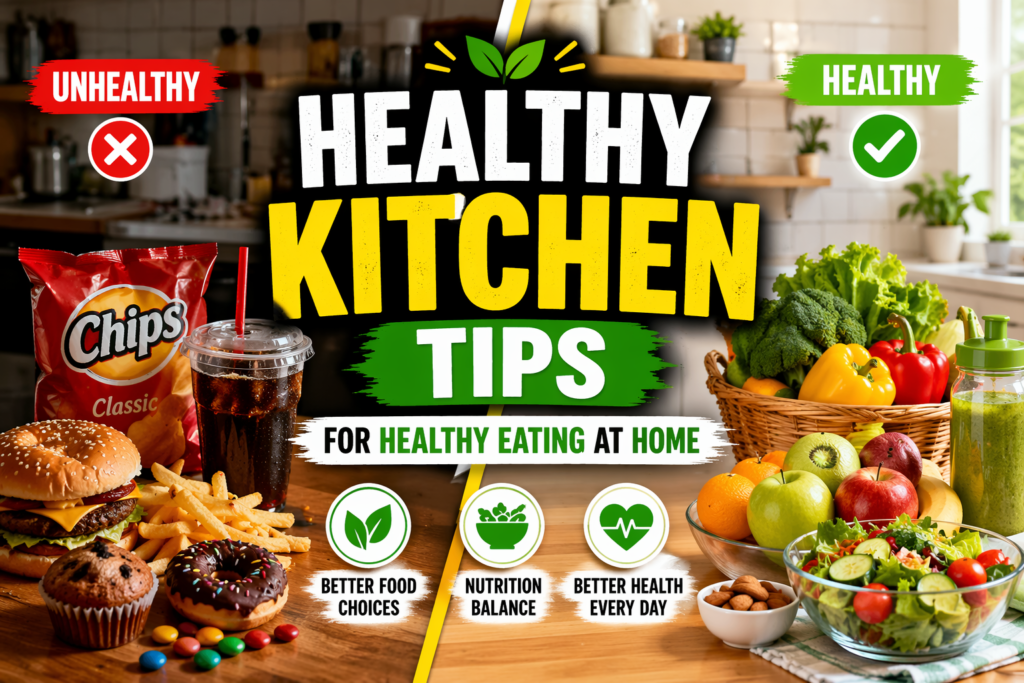
Create a healthier lifestyle at home with these practical kitchen wellness tips. Discover smart organization, clean eating habits, and simple strategies to make nutritious meals easier, faster, and more enjoyable every day.
LifeCareBalance.com is reader-supported. When you buy through links on our site, we may earn an affiliate commission at no extra cost to you. As an Amazon Associate, we earn from qualifying purchases.
Creating a healthy lifestyle doesn’t always require drastic changes—sometimes, it begins right in your kitchen. The way your kitchen is organized, the foods you stock, and your daily habits all play a powerful role in shaping your eating patterns. By applying smart kitchen wellness tips, you can make healthy eating easier, more enjoyable, and sustainable for the long term.
In this guide, you’ll discover practical and effective kitchen wellness tips that will help you transform your home into a space that naturally supports better nutrition and healthier choices.
1. Keep Your Kitchen Clean and Organized
A clean kitchen is the foundation of healthy eating. When your space is clutter-free and organized, cooking becomes less stressful and more inviting.
Start by decluttering your countertops. Keep only essential items visible, such as a fruit bowl or a water bottle. Store unhealthy snacks out of sight, and place healthy foods at eye level. Studies show that what you see first often influences what you eat.
Organize your pantry by grouping similar items together. Use clear containers for grains, nuts, and seeds so you can easily see what you have. This not only saves time but also reduces the temptation to order unhealthy takeout.
2. Stock Your Kitchen with Healthy Essentials
Healthy eating starts with what you have at home. If your kitchen is filled with nutritious ingredients, you’re more likely to prepare healthy meals.
Focus on keeping these essentials:
- Fresh fruits and vegetables
- Whole grains like brown rice, oats, and quinoa
- Lean proteins such as chicken, fish, eggs, and legumes
- Healthy fats like olive oil, nuts, and seeds
- Low-fat dairy or plant-based alternatives
Avoid stocking too many processed or sugary foods. If they’re not available, you’re less likely to consume them.
3. Meal Prep for Success
One of the biggest challenges to healthy eating is lack of time. Meal prepping can solve this problem.
Set aside a few hours each week to prepare meals in advance. Chop vegetables, cook grains, and portion out meals into containers. This makes it easier to grab a healthy option when you’re busy or tired.
Meal prepping also helps control portion sizes and reduces food waste. You’ll be less likely to rely on fast food or unhealthy snacks when your meals are already prepared.
4. Use Healthy Cooking Methods
The way you cook your food matters just as much as the ingredients you use.
Opt for cooking methods that preserve nutrients and reduce unhealthy fats:
- Steaming
- Grilling
- Baking
- Roasting
- Stir-frying with minimal oil
Avoid deep frying and excessive use of butter or heavy sauces. Instead, enhance flavor with herbs, spices, garlic, and lemon juice.
5. Stay Hydrated
Water plays a crucial role in overall wellness and healthy eating. Sometimes, thirst is mistaken for hunger, leading to unnecessary snacking.
Keep a water bottle in your kitchen or dining area as a reminder to stay hydrated. You can also add natural flavors like lemon, cucumber, or mint to make water more appealing.
Drinking enough water helps with digestion, energy levels, and appetite control.
6. Practice Mindful Eating
Healthy eating is not just about what you eat, but how you eat.
Avoid distractions like TV or mobile phones while eating. Sit down, take your time, and focus on your meal. Chew slowly and enjoy the flavors.
Mindful eating helps you recognize hunger and fullness cues, preventing overeating. It also improves digestion and makes meals more satisfying.
7. Control Portion Sizes
Even healthy foods can lead to weight gain if consumed in large amounts. Portion control is key to maintaining balance.
Use smaller plates and bowls to naturally limit portion sizes. Fill half your plate with vegetables, one-quarter with protein, and one-quarter with whole grains.
Avoid eating directly from large packages. Instead, portion out snacks into smaller servings.
8. Make Healthy Snacks Easily Accessible
Snacking is a part of daily life, but the type of snacks you choose matters.
Keep healthy snacks within easy reach, such as:
- Fresh fruits
- Yogurt
- Nuts and seeds
- Cut vegetables with hummus
- Whole-grain crackers
Store unhealthy snacks in less accessible places or avoid buying them altogether. Convenience plays a big role in food choices.
9. Plan Your Meals in Advance
Meal planning helps you stay consistent with healthy eating.
At the start of each week, plan your meals and create a shopping list. This reduces impulsive food choices and ensures you have all the ingredients you need.
Planning also saves time, money, and effort. You’ll feel more in control of your diet and less stressed about what to cook each day.
10. Limit Sugar and Processed Foods
Processed foods and added sugars can negatively impact your health. They are often high in calories but low in nutrients.
Try to reduce:
- Sugary drinks
- Packaged snacks
- Fast food
- Refined carbohydrates
Instead, choose whole, natural foods. If you crave something sweet, opt for fruits or homemade desserts with natural ingredients.
11. Create a Positive Kitchen Environment
Your kitchen should inspire healthy habits.
Add elements that promote wellness, such as:
- Good lighting
- Fresh plants or herbs
- Clean surfaces
- Organized storage
A welcoming environment makes cooking more enjoyable and encourages you to spend more time preparing healthy meals.
12. Cook More at Home
Cooking at home gives you full control over ingredients and portion sizes.
Restaurant meals often contain hidden fats, sugars, and excess salt. By cooking at home, you can make healthier choices and customize meals to your preferences.
Start with simple recipes and gradually explore new dishes. Cooking can become a fun and rewarding habit.
13. Involve the Whole Family
Healthy eating becomes easier when everyone in the household is involved.
Encourage family members to participate in meal planning, grocery shopping, and cooking. This not only builds healthy habits but also strengthens relationships.
Children, especially, are more likely to eat healthy foods when they are involved in preparing them.
14. Keep Track of Your Habits
Awareness is the first step toward improvement.
Keep a food journal or use a simple नोट to track what you eat daily. This helps identify patterns and areas where you can improve.
You don’t need to be perfect—just aim for consistency and gradual progress.
15. Be Flexible and Realistic
Healthy eating is a journey, not a strict rulebook.
Allow yourself occasional treats without guilt. The goal is balance, not perfection. Small, consistent changes are more sustainable than extreme diets.
Focus on building habits that you can maintain long-term.
Conclusion
Transforming your kitchen into a wellness-focused space is one of the most effective ways to improve your eating habits. By keeping your kitchen organized, stocking healthy foods, planning meals, and practicing mindful eating, you create an environment that naturally supports better choices.
Remember, healthy eating at home doesn’t have to be complicated. Start with a few simple changes and build from there. Over time, these small steps will lead to significant improvements in your health, energy, and overall well-being.
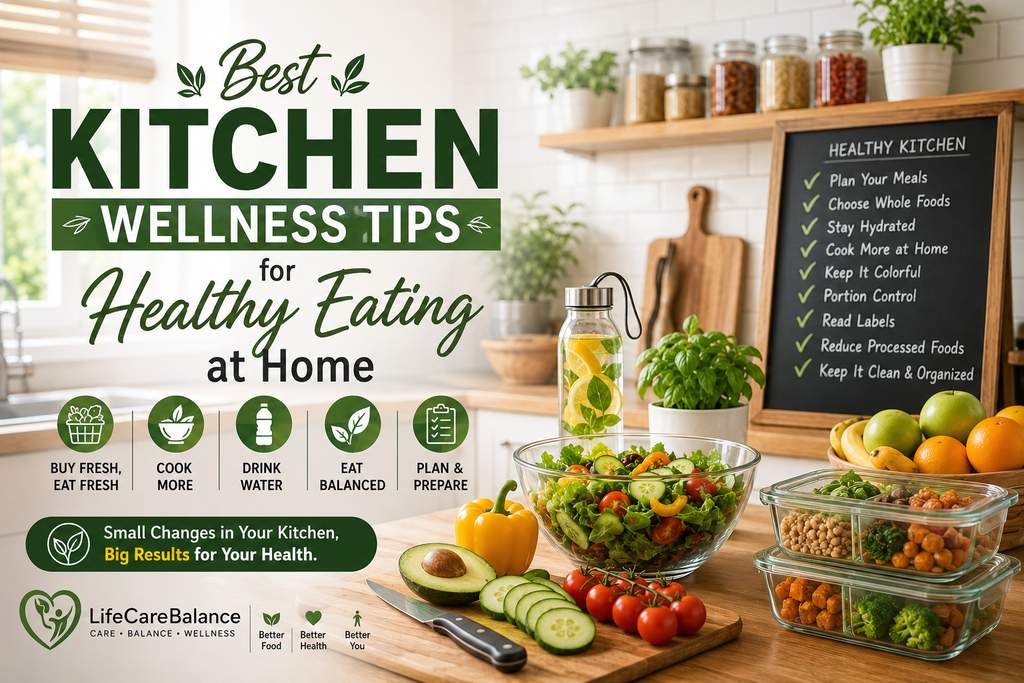
FAQs
1. What is kitchen wellness?
Kitchen wellness refers to creating an environment in your kitchen that promotes healthy eating habits through organization, food choices, and cooking practices.
2. How can I start eating healthy at home?
Begin by stocking healthy foods, planning meals, and reducing processed items. Small changes like cooking more at home can make a big difference.
3. Why is meal prep important?
Meal prep saves time, reduces stress, and helps you stick to healthy eating by having nutritious meals ready in advance.
4. How do I avoid unhealthy snacking?
Keep healthy snacks easily accessible and limit the availability of processed or sugary foods in your kitchen.
5. Can I still enjoy my favorite foods?
Yes, moderation is key. You can enjoy your favorite foods occasionally while maintaining an overall balanced diet.:https://lifecarebalance.com/
Also read:https://lifecarebalance.com/kitchen-setup-for-health-goals/
Also read:https://lifecarebalance.com/budget-adjustable-dumbbells-under-50/